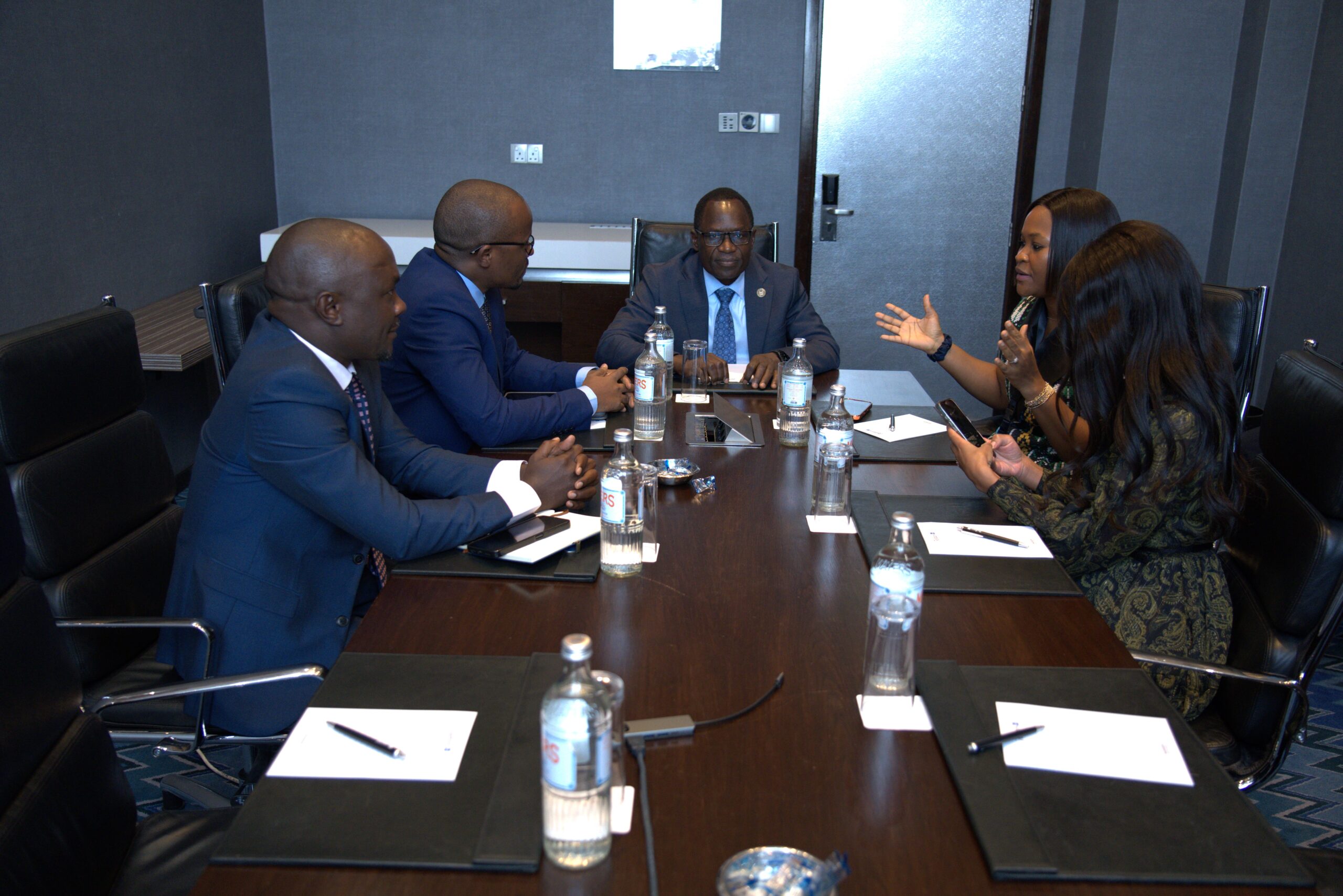
Principal Secretary for Broadcasting and Telecommunications Stephen Isaboke has called for the responsible development of artificial intelligence that reflects Africa’s realities, languages, and cultural contexts.
At the TikTok Safer Internet Summit 2026 held in Nairobi on Wednesday, Isaboke stated that artificial intelligence should complement rather than replace human capability.
“Artificial intelligence should be seen as the deliberate augmentation of human capability,” he said.
He noted that AI can improve efficiency and create opportunities in agriculture, health, education, and the creative economy.
Isaboke made these remarks after joining a panel discussion on “AI for Good: Leveraging Technology for Social Impact” at TikTok’s invitation.
He affirmed the government’s commitment to the Digital Superhighway and Creative Economy pillar, which aims to expand digital infrastructure and support innovation.
“The Government remains fully committed to the Digital Superhighway and Creative Economy pillar, creating an enabling environment for platforms like TikTok to operate responsibly,” he said.
He highlighted that digital platform enable young Kenyans to build livelihoods through content creation and digital services.
Isaboke stated that Kenya has developed a National Artificial Intelligence Strategy (2025–2030) to guide the development and use of AI technologies.
“Our National AI Strategy provides guidance to ensure Kenyan youth seize the opportunities that artificial intelligence brings,” he said.
He added that technology platforms must help address online risks.
“We expect platforms to harness their algorithms effectively to combat fake news, misinformation, and disinformation and safeguard online spaces,” he said.
He described the summit as an opportunity to discuss responsible innovation and the role of technology in society.
During the discussion, Duduzile Mkhize, Outreach and Partnerships Manager for Sub-Saharan Africa at TikTok, emphasized the importance of transparency as AI-generated content becomes more common.
“It is important that communities know when the content they are consuming is AI-generated,” she said.
She noted that TikTok is collaborating with organizations across Africa to promote responsible AI use and strengthen digital literacy among young people.
Panelist Jennifer Kaberi, the Founder and Director at Mtoto News observed that some digital systems are developed without sufficient understanding of African users.
“When a 13-year-old is identified as much older, it shows the system was not designed with African children in mind,” she said.
She also called for the inclusion of young people in discussions on technology and digital policy.
“There is nothing for us without us,” she said.
Nigerian tech creator Izzi Boye stated that creators should be involved earlier in policy discussions on emerging technologies.
“It is important to have the right people in the room when policies are being made,” he said. He noted that creators often experience the effects of platform policies before others do.
Nshingu Kazadi stated that platforms are working with governments and partners to strengthen transparency and responsible content governance.
“We consult partners, governments, and experts when shaping policies,” he said.
Kazadi explained that partnerships with initiatives such as the Content Authenticity Initiative and the Coalition for Content Provenance and Authenticity help improve trust in digital information.
Participants agreed that cooperation among governments, technology companies, civil society, and creators is essential for the responsible development of artificial intelligence.
They emphasized that transparency, inclusion, and local context should guide the development of AI technologies.
The Principal Secretary was accompanied by the Secretary for Broadcasting and Telecommunications, Temesi Mukani; David Omwoyo, the Chief Executive Officer of the Media Council of Kenya; and Dennis Itumbi.