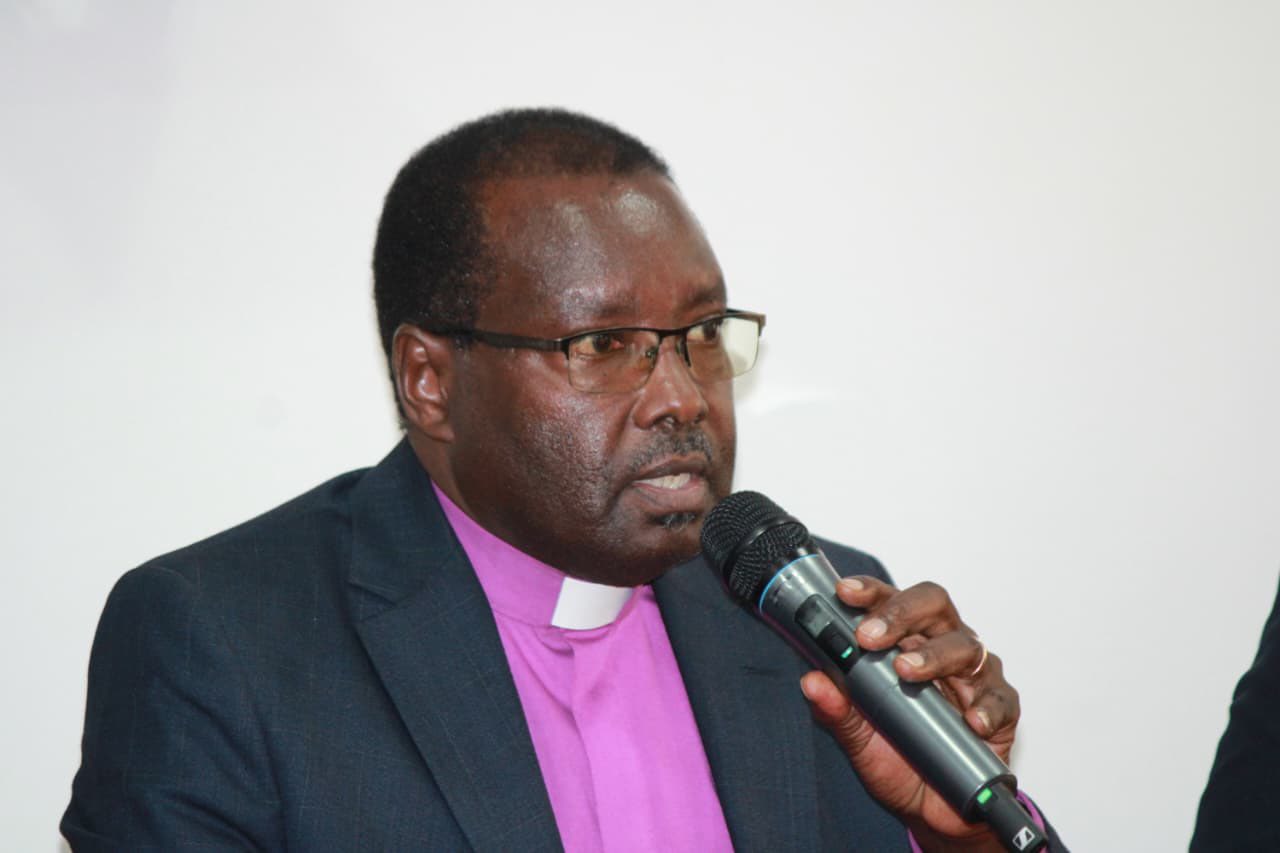
The National Assembly’s Public Petitions Committee has met with the Association of Pentecostal Vocational Training Institutions of Kenya (APVOTIK) in consideration of a Petition seeking the enactment of legislation to establish a regulatory body for theological education within the Evangelical, Pentecostal and Charismatic church community in Kenya.
APVOTIK, which is an umbrella body representing more than 200 churches and theological training institutions has raised concern over the rapid growth of theological colleges, Bible schools and online ministry training platforms in recent years.
While acknowledging that the expansion has increased access to theological education, APVOTIK notes that it has also created serious challenges related to quality assurance and standardisation.

“Without a structured system of oversight, the church industry risks long-term degradation of ministerial integrity, academic excellence, and spiritual authority,” stated APVOTIK Chairperson Rev. Joshua Njue Wajoshua
Rev. Njue told the Committee that the absence of a regulatory framework has led to a lack of standardised curricula, questionable accreditation of institutions and the emergence of diploma mills offering unverified academic qualifications.
APVOTIK patron, Dr. Benard Namusasi noted that there have been proposals over the years, but all seem, “not to address the issue that is qualification,” he noted
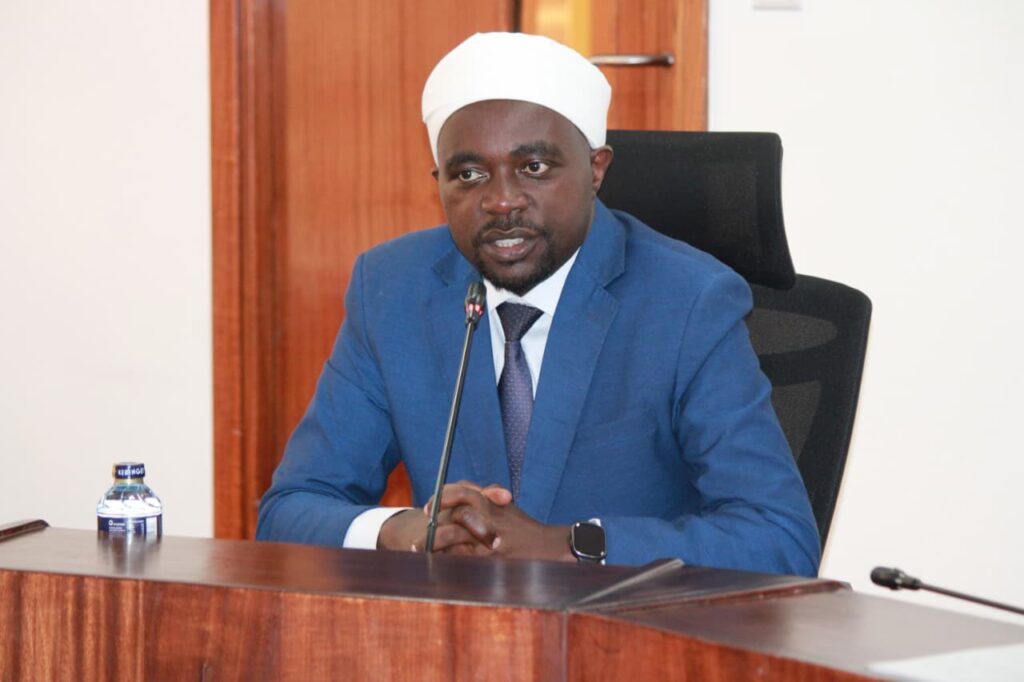
APVOTIK further observed that current education, laws and regulatory structures largely focus on secular academic programmes and do not adequately address the unique nature of theological training offered by faith based institutions.
Committee Chair, Hon. Muchangi Karemba welcomed the petition stating, “The Committee appreciates the concerns raised in this petition. Institutions that train spiritual leaders carry a significant responsibility in society, and it is important that appropriate standards and safeguards are in place.”
Noting the exclusion of other religious doctrines from the petition, the Legislators however questioned the association’s push for exclusivity,
Dagoretti North MP, Hon Beatrice Elachi stated, “As noble as these attempts maybe, they may be of no consequence if all other religious doctrines are not enjoined in this push for regulation.”
The Committee is expected to engage relevant stakeholders before making recommendations to the National Assembly on the proposed legislative intervention.
By Anthony Solly