TYMPAKI, Greece
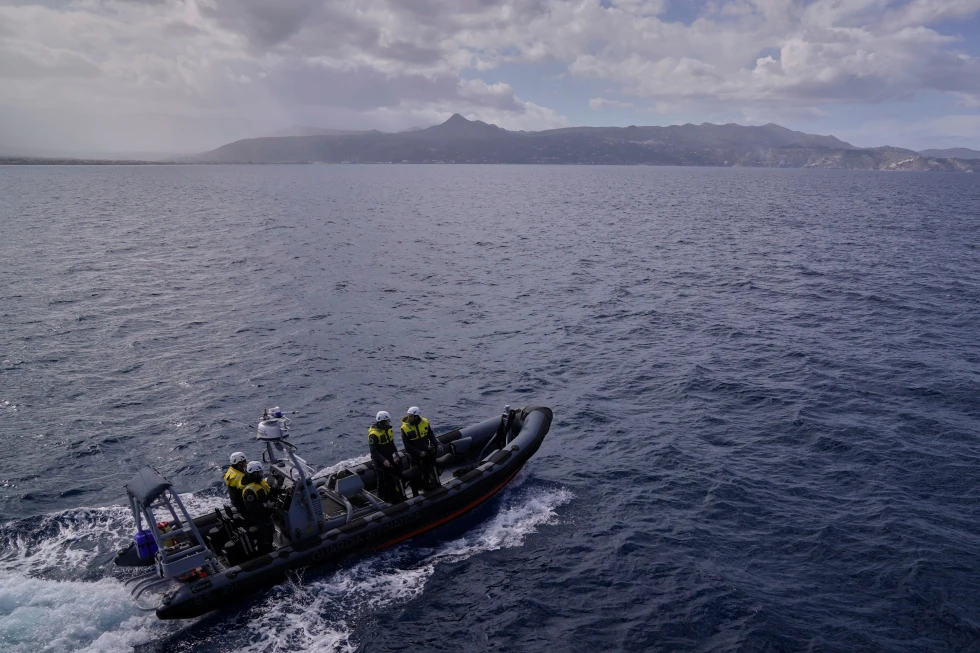
An Israeli-built Heron 2 drone whirs off the tarmac on a new surveillance mission, its sensors scanning the 350-kilometer (220-mile) stretch of sea between Libya and the Greek island of Crete.
The aircraft can detect activity hidden below deck on vessels making one of the most dangerous journeys in the Mediterranean.
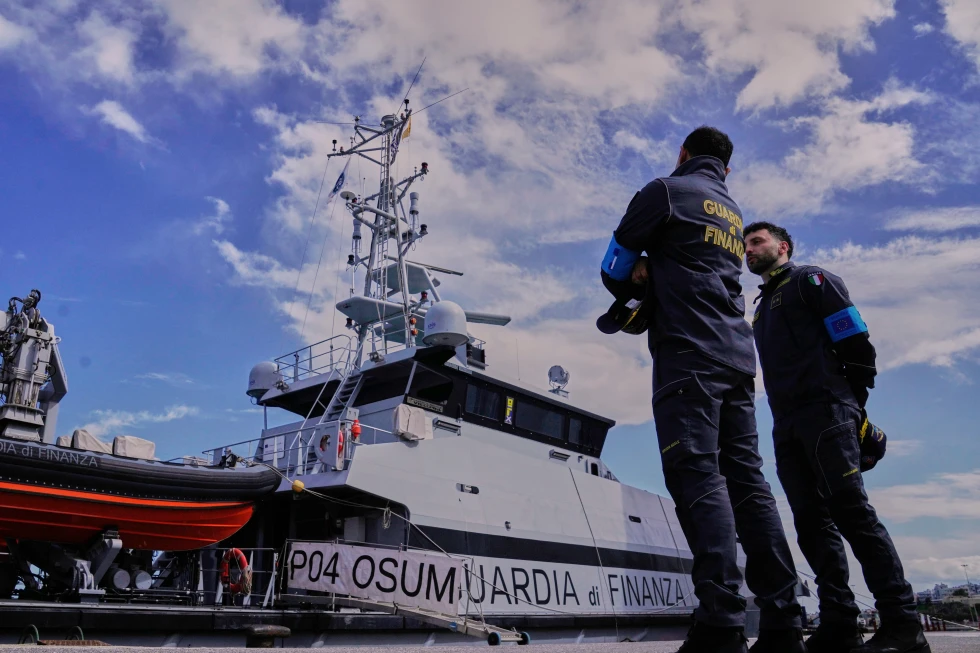
Crete, Greece’s largest island, has become an unexpected epicenter in Europe’s migration crisis.
According to Frontex, the European Union’s border agency, the island saw a threefold increase in irregular migration last year, recording about 20,000 arrivals and becoming Greece’s busiest point of entry.

The surge comes even as overall irregular migration to Europe fell by 26% in 2025 compared with the previous year.
The passage to Crete is now one of Europe’s deadliest migration corridors, a vast and perilous expanse where unclaimed bodies frequently wash ashore.
Fueled by wars and instability across Africa, the route is growing busier even as pressure eases on other Mediterranean pathways.
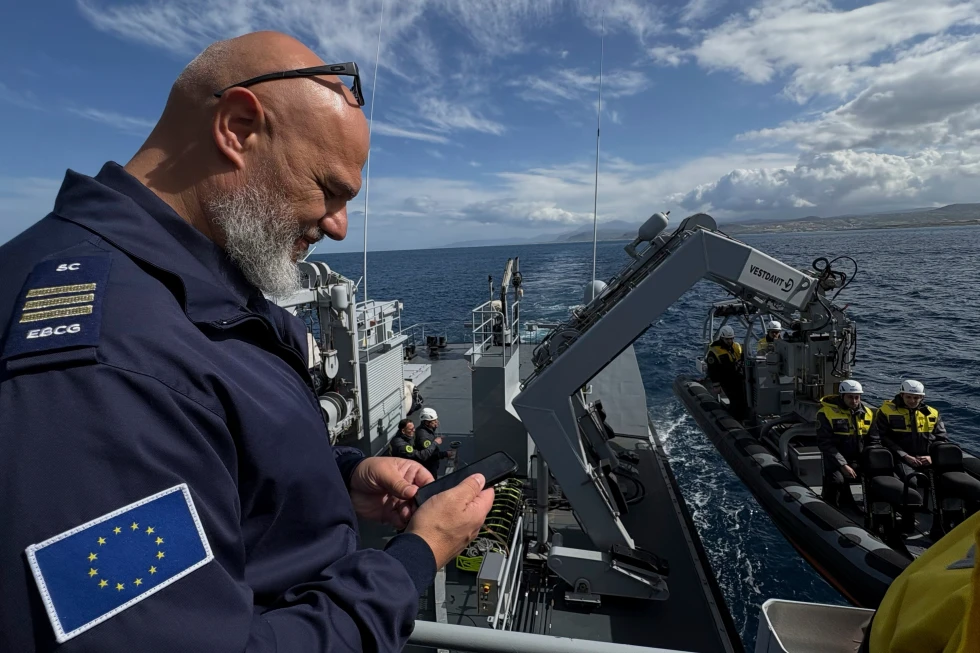
As the EU prepares to implement tougher measures to combat illegal migration, Frontex says it will focus resources on Crete in an attempt to stem the surge in arrivals.
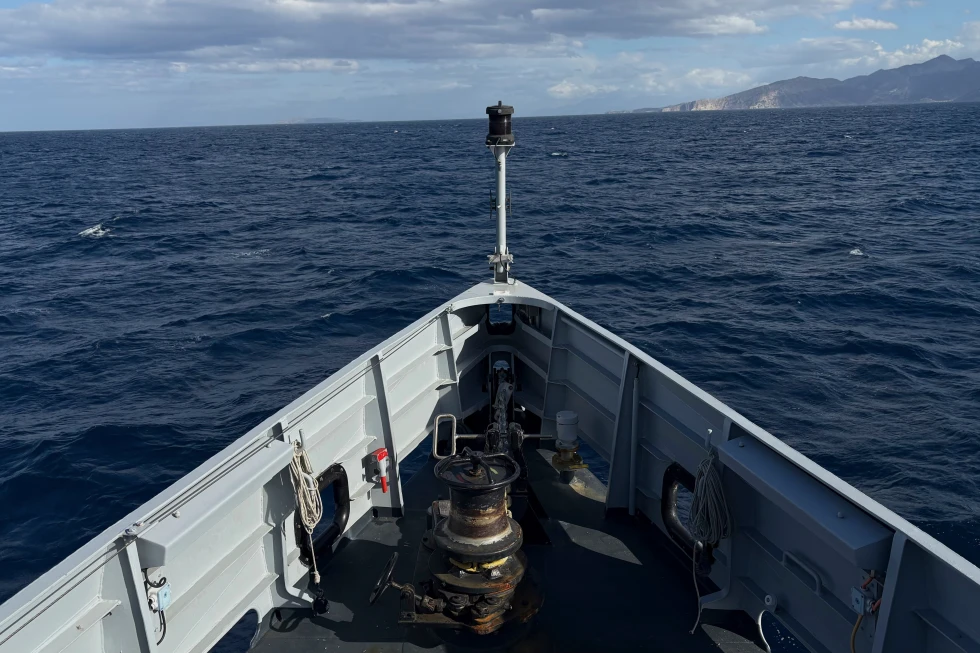
The agency’s increased presence, including surveillance drones and patrol assets, reflects a broader European shift toward stricter border enforcement—and the recognition that as one route closes, another often opens.
By James Kisoo