By Andrew Kariuki
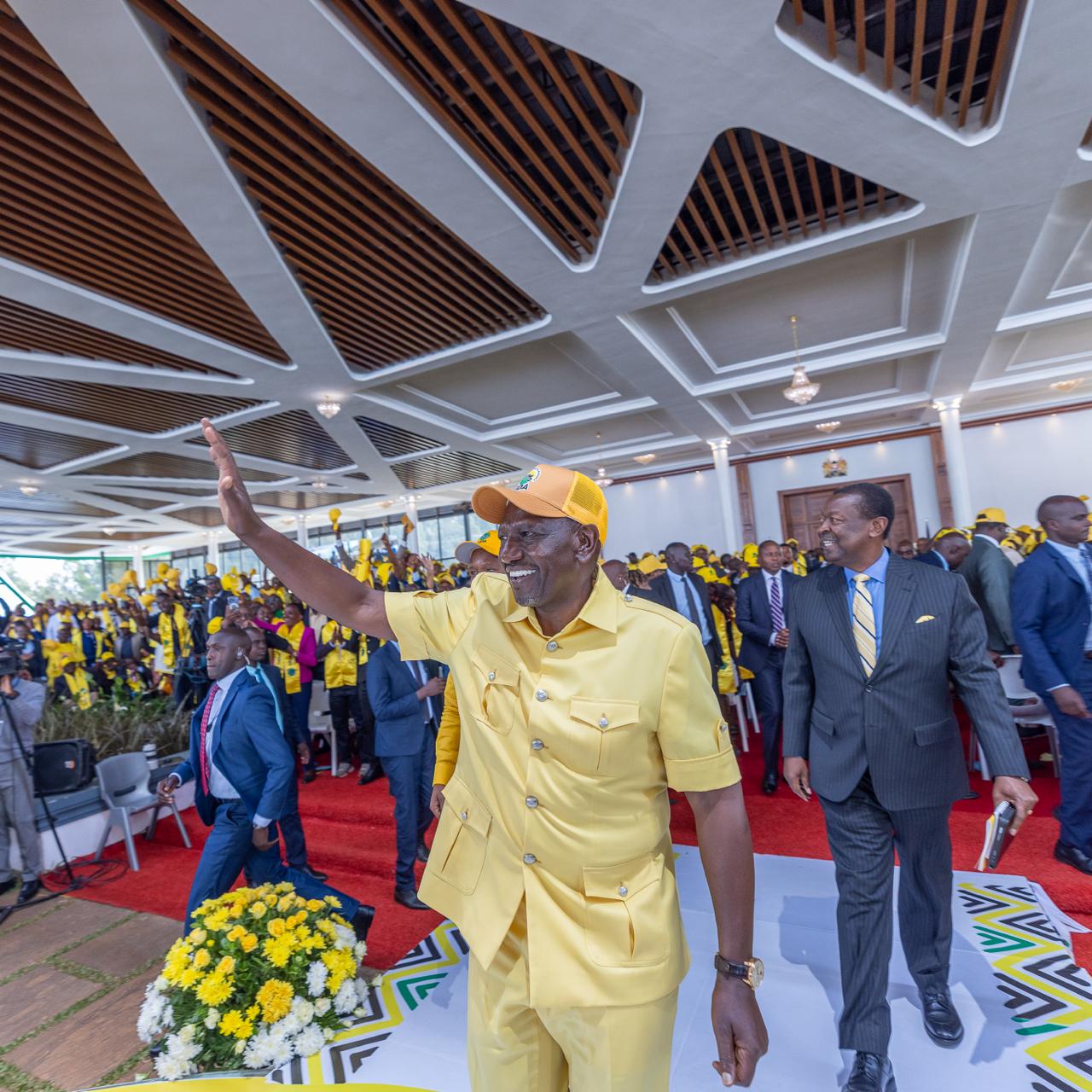
The Attorney General has asked the High Court to dismiss a petition challenging President William Ruto’s decision to host members of a political party at State House, describing the case as “frivolous, vexatious and an abuse of the court process.”
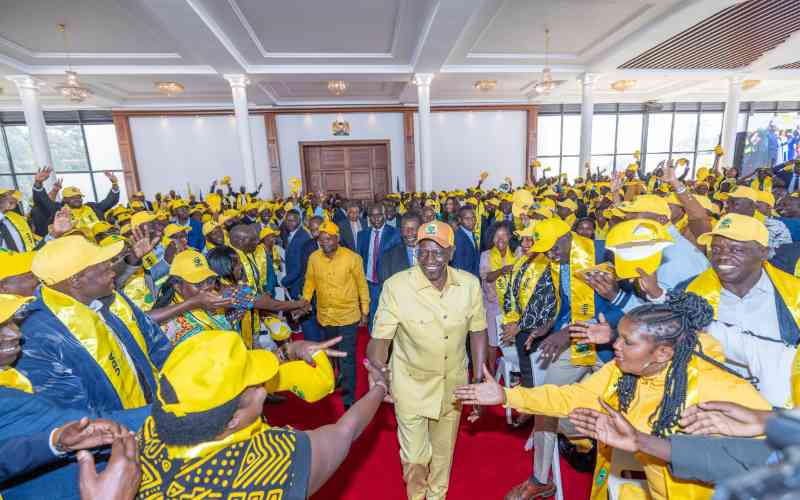
The petition was filed by Lempaa Suyianka, who argues that inviting members of the United Democratic Alliance (UDA) to State House amounted to a misuse of public office and violated constitutional provisions. He contends that the meetings blurred the line between government functions and partisan politics, raising concerns about fairness and the use of public resources.
In response, the Attorney General, the Comptroller of State House, and the UDA party argue that the petition is legally deficient and does not meet the threshold required for a constitutional claim. They state that the petitioner has failed to clearly demonstrate how any constitutional rights were violated or to link specific provisions of the Constitution to the alleged breaches.
The respondents rely on established legal precedents, including Anarita Karimi Njeru v R (No 1) and Mumo Matemu v Trusted Society of Human Rights Alliance, which require constitutional petitions to precisely outline the complaint, identify the provisions allegedly violated, and explain how the violations occurred.
They further argue that President Ruto acted within his constitutional mandate. According to the respondents, Articles 131 and 132 of the Constitution empower the President to coordinate government functions, promote national unity, and uphold the country’s diversity. Hosting political leaders and citizens at State House, they contend, falls within this mandate.
The respondents also cite Article 143, which grants the President immunity from civil proceedings for actions undertaken in the course of official duties.
In his petition, Suyianka seeks a declaration that the use of State House for partisan political activities is unconstitutional. He also asks the court to compel the UDA party to reimburse the State for costs allegedly incurred during political activities held at State House and State Lodges.
Additionally, the petitioner is seeking a permanent injunction barring all political parties from holding meetings or conducting political activities at State House.
Suyianka argues that State House and State Lodges are national institutions reserved strictly for official State functions and are maintained using public funds approved by Parliament.
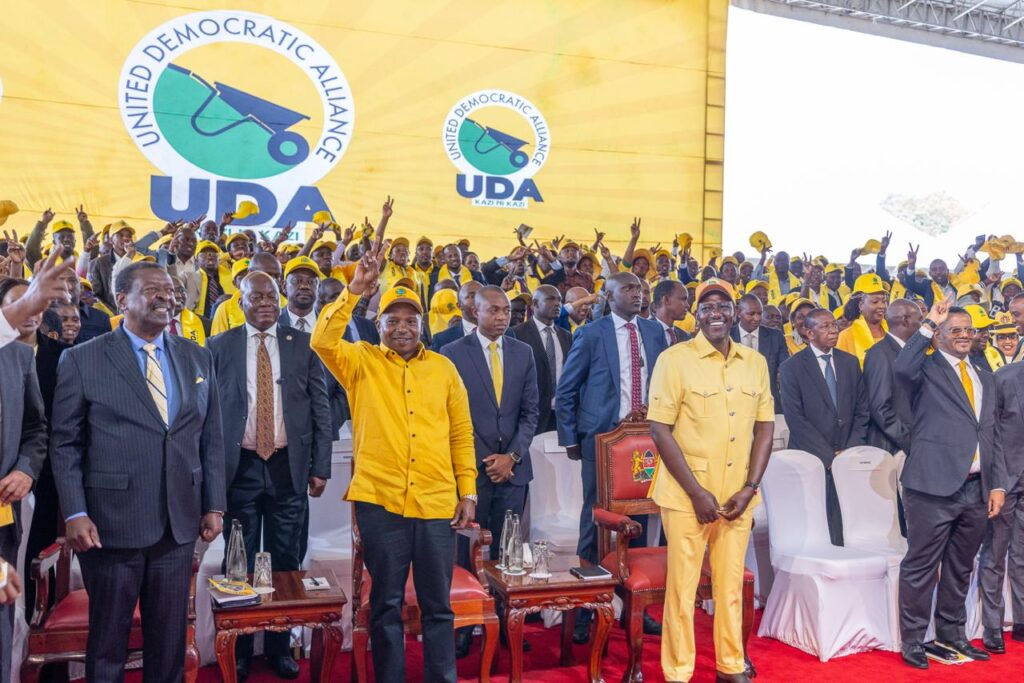
The petition outlines several political meetings held at State House between April 2025 and February 2026, including engagements with regional political leaders, party meetings, and a UDA aspirants’ forum that reportedly hosted thousands of party members and officials.
He contends that these were not official State functions but political party activities involving officials, aspirants, and elected leaders acting in their political capacities. He further claims that State resources, including facilities, security, staff, logistics, catering, and communication infrastructure, were used without public disclosure of the costs or indication of reimbursement by the party.