For the first 60 years of his life, Hunt Priest identified as straight. Though he occasionally felt attracted to men, he says “it was not dominant, and I was just much more interested in women.
” A happily married Episcopal clergyman in Seattle, Priest lived without judgment of gay people but also without a strong connection to queer culture or community.
In 2016, that changed. Priest enrolled in a Johns Hopkins University study examining the effects of psilocybin—the psychoactive compound in magic mushrooms—on the religious attitudes of clergy. For him, the trial would catalyze a profound shift not only in his spirituality but in his understanding of his own sexual identity.
During two high-dose sessions, Priest says he experienced the presence of God and the Holy Spirit “in a very dramatic and embodied way.” Though not overtly sexual, the experience carried “a sense of eros and sexual energy.” This encounter opened a doorway to aspects of his identity he had long kept quiet.
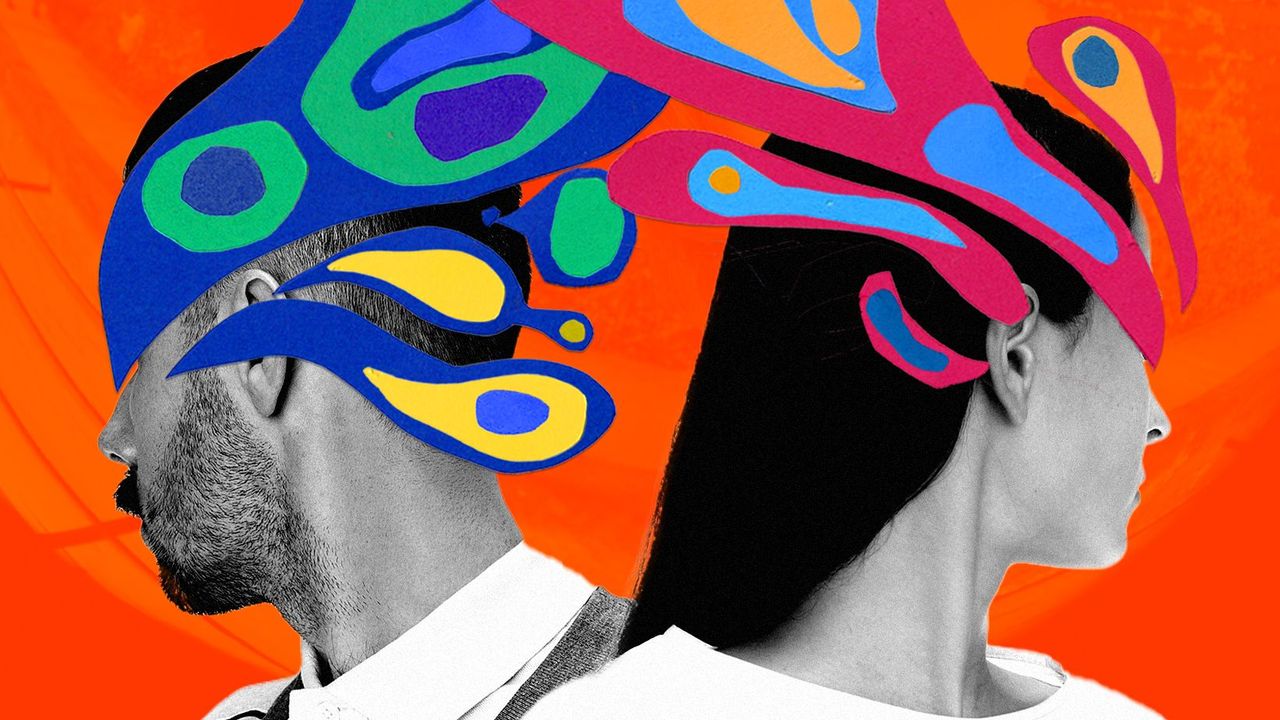
Priest’s story reflects a growing recognition among psychedelic therapists, practitioners, and researchers: these powerful substances can illuminate hidden layers of the self, challenging fixed notions of gender and sexual orientation. As clinical trials expand, personal accounts like Priest’s are prompting deeper questions about how psychedelics might help individuals reconnect with repressed or unacknowledged facets of their identity—revealing a self that exists beyond the binaries of a lifetime.
By James Kisoo