By Andrew Kariuki
The High Court Anti-Corruption and Economic Crimes Division has dismissed a case filed by the Ethics and Anti-Corruption Commission seeking to recover Ksh 24.9 million allegedly lost in a disputed school feeding programme tender in Turkana County.
The anti-graft agency had accused Amailo Investment Company Ltd and several county officials of unlawfully processing payments for ECDE nutrition supplies that investigators claimed were never delivered.
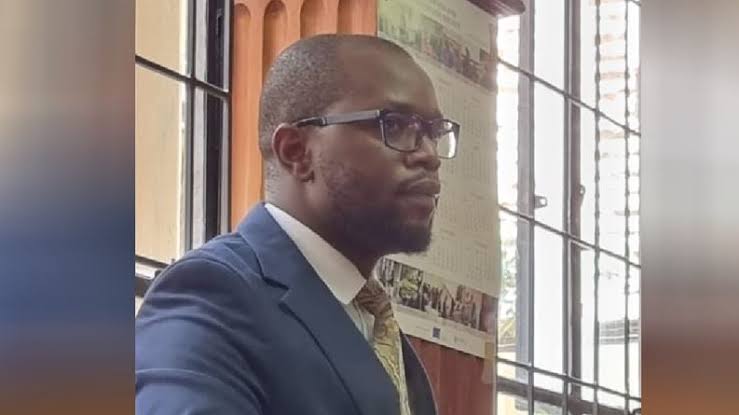
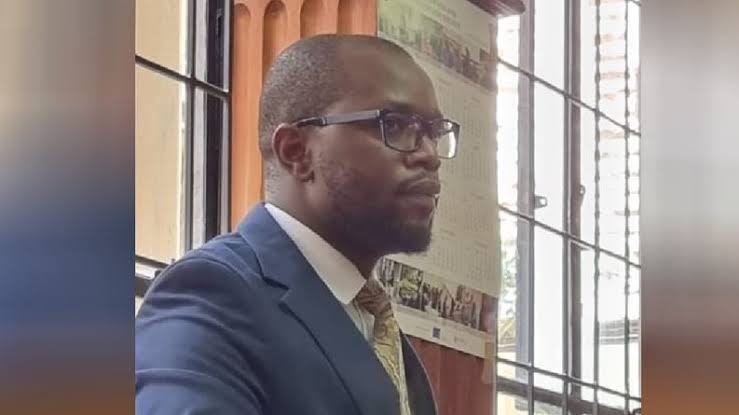
Appearing for the respondents during the proceedings was lawyer Jack Bigambo.
According to the suit, the disputed funds related to the supply of corn soya blend, commonly known as Unimix, intended for early childhood education feeding programmes in Turkana County.
During the trial, the court heard evidence from investigators, transporters, engineers and county officials regarding the movement and delivery of the food supplies.
EACC investigators questioned several delivery records and transportation documents, arguing that some of the vehicles allegedly used in the deliveries lacked the capacity to transport the quantities reflected in the paperwork.
The anti-corruption agency also highlighted inconsistencies involving delivery notes, vehicle registration records and transport logs, with some transporters distancing themselves from the alleged deliveries.
However, the respondents maintained that the food supplies were delivered, inspected and officially received before payments were approved.
Defence witnesses told the court that county inspection and acceptance committees verified the deliveries and that the ECDE feeding programme was actively running at the time.
The court also heard explanations that some discrepancies identified in the documents may have resulted from administrative or clerical errors rather than fraudulent conduct.
In its judgment, the court found that the EACC had not sufficiently proved its case against the respondents and declined to issue the recovery orders sought in the suit.
The decision effectively clears the county officials and supplier company in the long-running Ksh 24.9 million dispute.