By Andrew Kariuki,
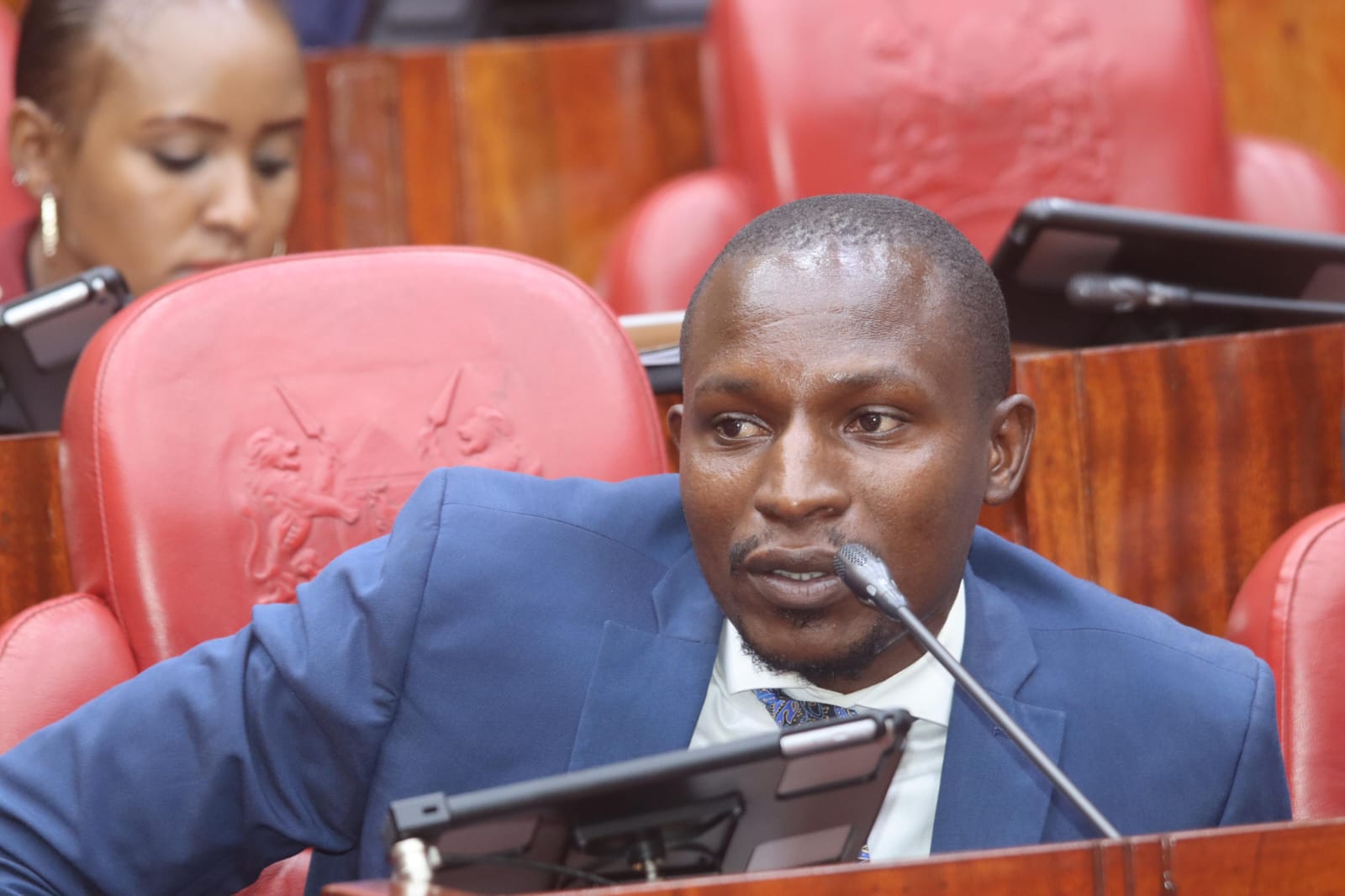
The cost of borrowing in Kenya is now at the centre of a constitutional battle after activist Francis Awino moved to the High Court seeking a legal review of how banks price loans, impose lending charges and deal with borrowers across the country.
Rather than targeting a single lender, the petition takes aim at the wider financial system, arguing that ordinary Kenyans have for years navigated a borrowing environment marked by unclear loan terms, fluctuating charges and little bargaining power once contracts are signed.
In court papers, Awino argues that many borrowers enter credit agreements without fully understanding how interest adjustments are made, how repayment obligations may change over time or the true financial implications of loan contracts drafted almost entirely by banks. He claims the imbalance leaves consumers exposed to financial distress while institutions retain overwhelming control over lending decisions.
The case has been filed against the Central Bank of Kenya, the Cabinet Secretary for National Treasury and Economic Planning, the Kenya Bankers Association and the Attorney General, all of whom Awino accuses of failing to guarantee transparency, accountability and fairness within the lending ecosystem.
Among the issues raised in the petition is whether borrowers are receiving sufficient information to make informed financial decisions. Awino contends that constitutional guarantees on access to information and consumer protection require clearer disclosure on how lending costs are calculated and what risks consumers assume when taking loans.
The petition also questions why, despite strong earnings reported across Kenya’s banking industry, affordable credit remains out of reach for many households and businesses. Awino argues that high borrowing costs continue to strain consumers, entrepreneurs and homeowners even as the financial sector records significant profitability.
Court documents further suggest concern over the broader economic consequences of expensive private credit, with the petitioner arguing that restrictive lending conditions can slow business expansion, deepen indebtedness and limit access to capital for small enterprises.
At the legal centre of the dispute are alleged breaches of constitutional protections relating to transparency, consumer welfare, access to information and fair administrative action. Awino is seeking court declarations challenging aspects of the current lending framework and wants reforms aimed at improving borrower protections and accountability within the financial sector.
The matter was placed before Justice Bahati Mwamuye, who directed service of court documents upon the respondents and set timelines for responses, with the case expected back in court in July for further directions.
If successful, the petition could trigger wider conversations about whether Kenya’s credit system adequately protects borrowers or whether stronger legal safeguards are needed in one of the country’s most powerful sectors.