A pioneering gene-editing treatment that was once the realm of science fiction has reversed aggressive, incurable blood cancers in some patients, doctors report. The therapy involves precisely altering the DNA of a patient’s white blood cells, transforming them into a potent, cancer-fighting “living drug.”
The breakthrough centers on a form of T-cell acute lymphoblastic leukemia (T-ALL), in which the body’s own immune cells, the T-cells, grow uncontrollably. For patients in the trial, all other options—including chemotherapy and bone marrow transplants—had failed.
Now, results show that nearly two-thirds (64%) of treated patients—eight children and two adults—are in remission. The first recipient, whose story was reported in 2022, remains cancer-free and now aspires to become a cancer scientist.
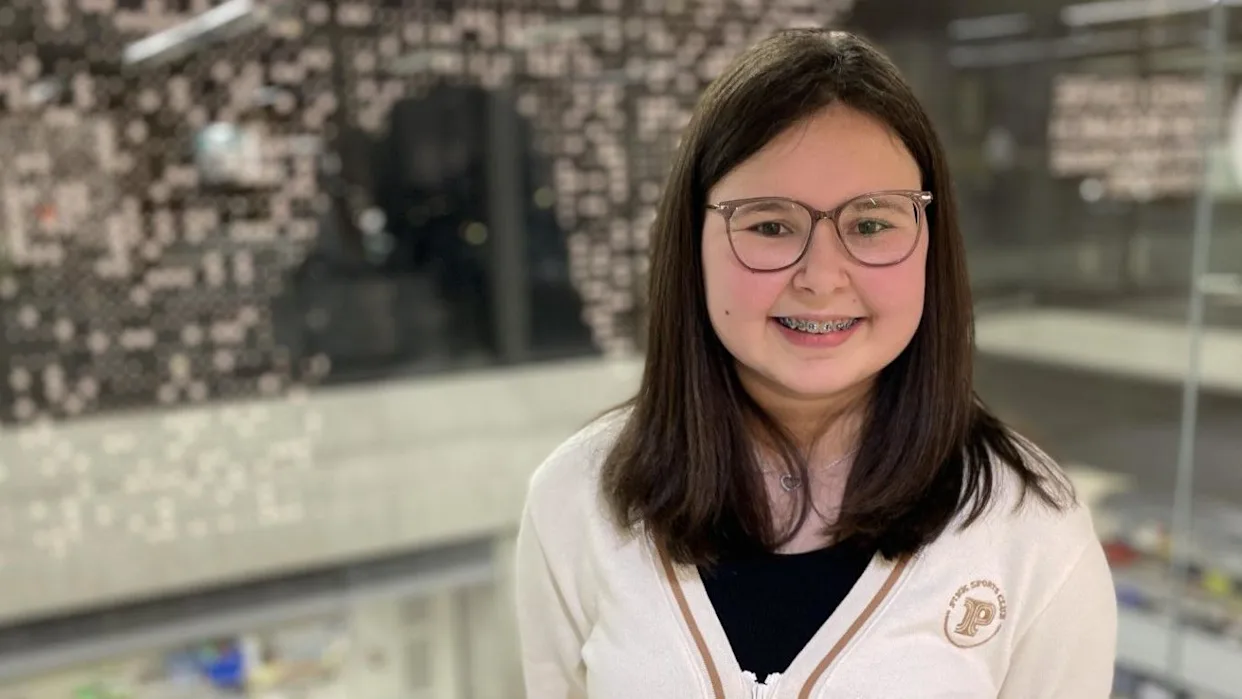
“I really did think that I was going to die and I wouldn’t be able to grow up and do all the things that every child deserves to be able to do,” says 16-year-old Alyssa Tapley from Leicester. She was the first person worldwide to receive the therapy at London’s Great Ormond Street Hospital and is now thriving.
The treatment marks a transformative moment in oncology, offering hope where conventional medicine had reached its limits and opening a new frontier in the fight against previously untreatable cancers.