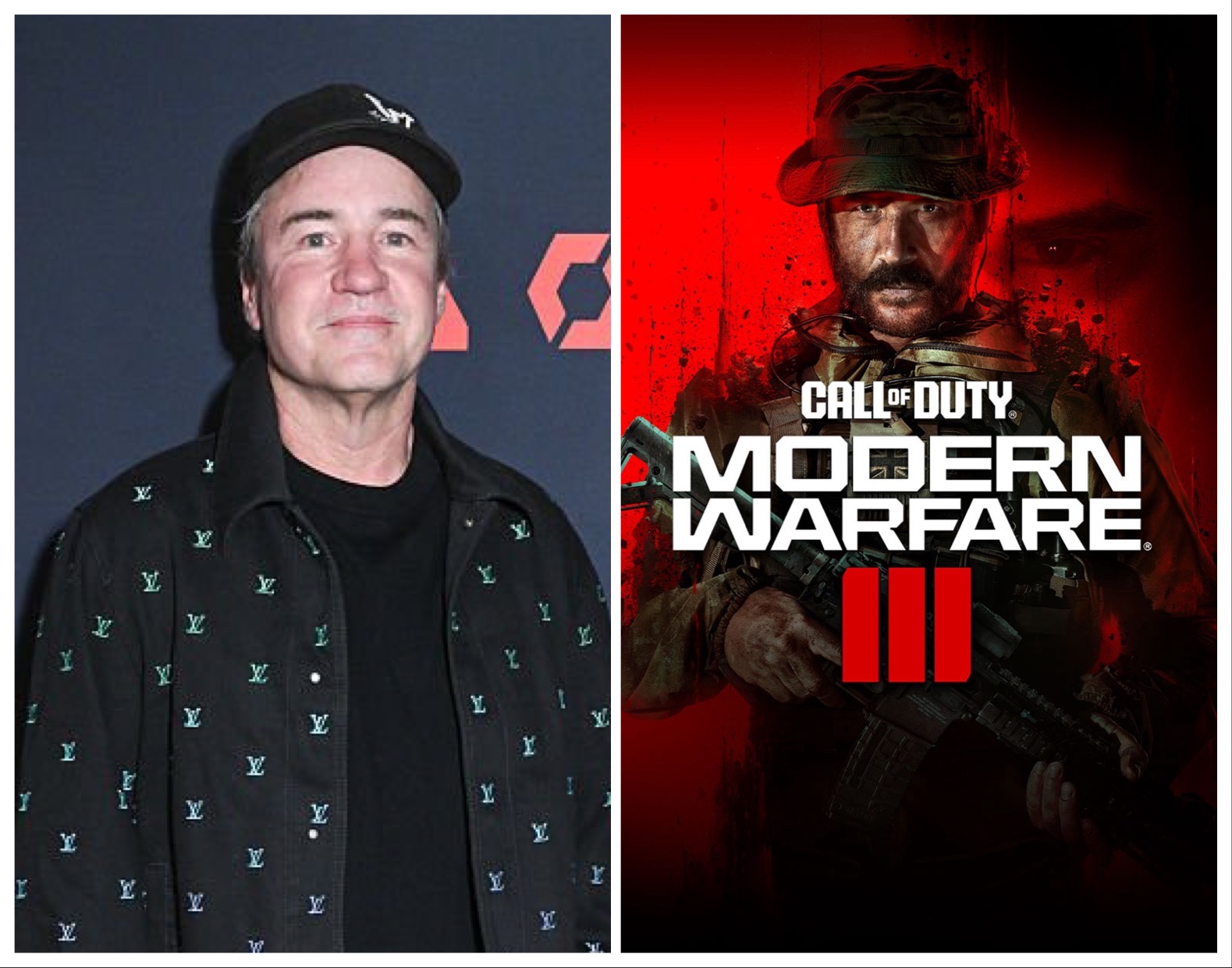
Vince Zampella, the influential video game executive behind some of the world’s most successful franchises, has died following a Ferrari crash on a mountain road in Los Angeles. He was 55.
Zampella was killed on Sunday afternoon when the car he was travelling in veered off Angeles Crest Highway, a winding scenic route north of the city, and struck a concrete barrier at about 12.45pm, according to NBC Los Angeles.
Authorities said one occupant was ejected from the vehicle while another became trapped as the car caught fire. One person died at the scene and the other later died in hospital. It has not yet been confirmed whether Zampella was the driver or the passenger.
The circumstances surrounding the crash remain under investigation.
Zampella was a towering figure in the global gaming industry. As a co-founder and former chief executive of Infinity Ward, he played a central role in creating the Call of Duty franchise, which went on to become one of the most commercially successful series in entertainment history, selling more than 500 million copies worldwide.
After leaving Infinity Ward, Zampella became the head of Respawn Entertainment, the studio behind titles such as Titanfall and Apex Legends, which was later acquired by Electronic Arts. In recent years, he held senior leadership roles within EA and was instrumental in the release of Battlefield 6, launched in October to strong critical reception.
Tributes poured in from across the gaming world following news of his death. Donald Mustard, the co-creator of Fortnite, said he was “absolutely heartbroken”, describing Zampella as a visionary who led “incredible entertainment and innovation” throughout his career. He added that he was grateful to have seen Zampella just a week earlier.
Angeles Crest Highway, where the crash occurred, stretches for about 65 miles through the Angeles National Forest and is known for its dramatic scenery and challenging curves.
Zampella leaves behind a legacy that helped shape modern gaming, influencing not only blockbuster franchises but also the culture of the industry itself.