BEIJING
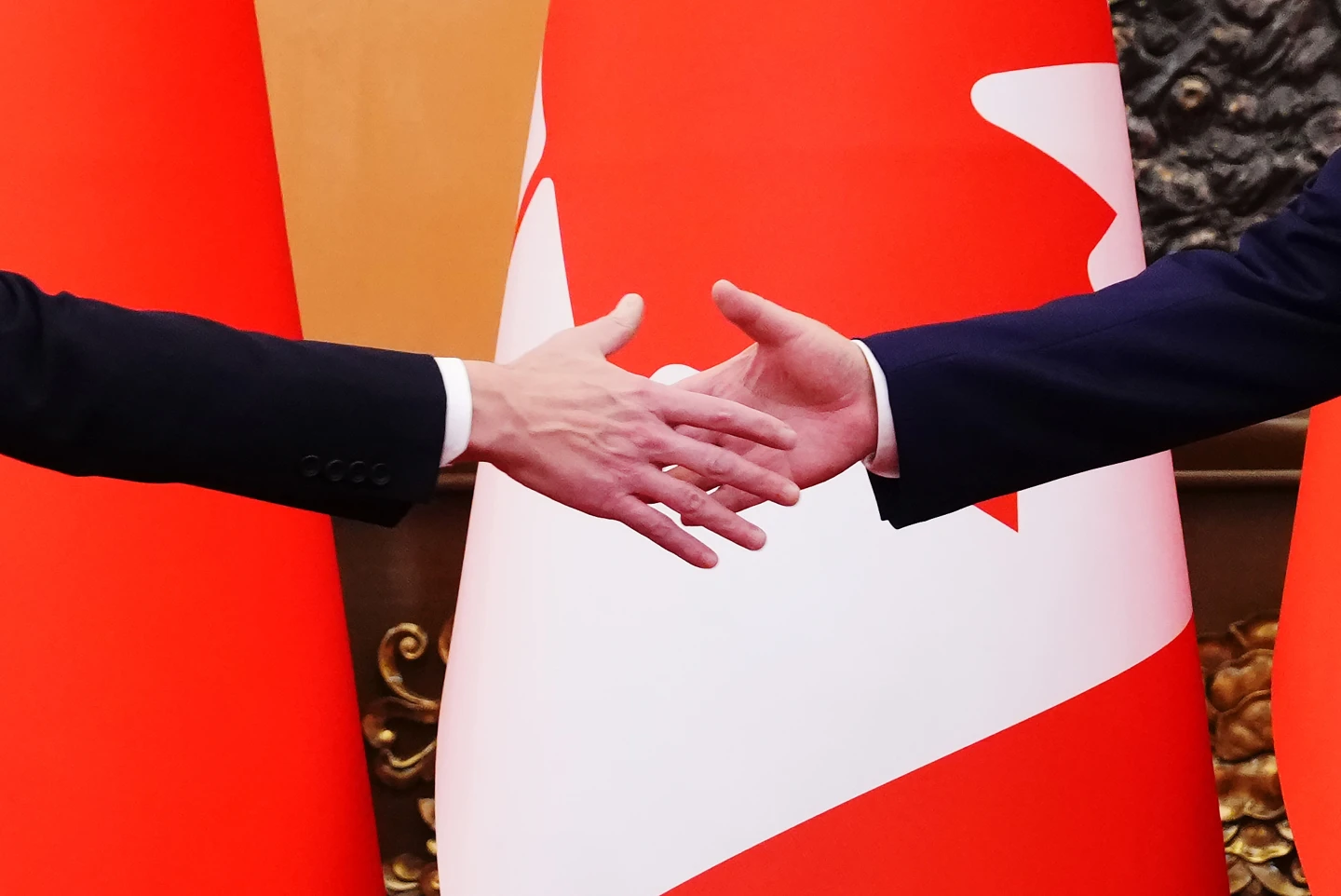
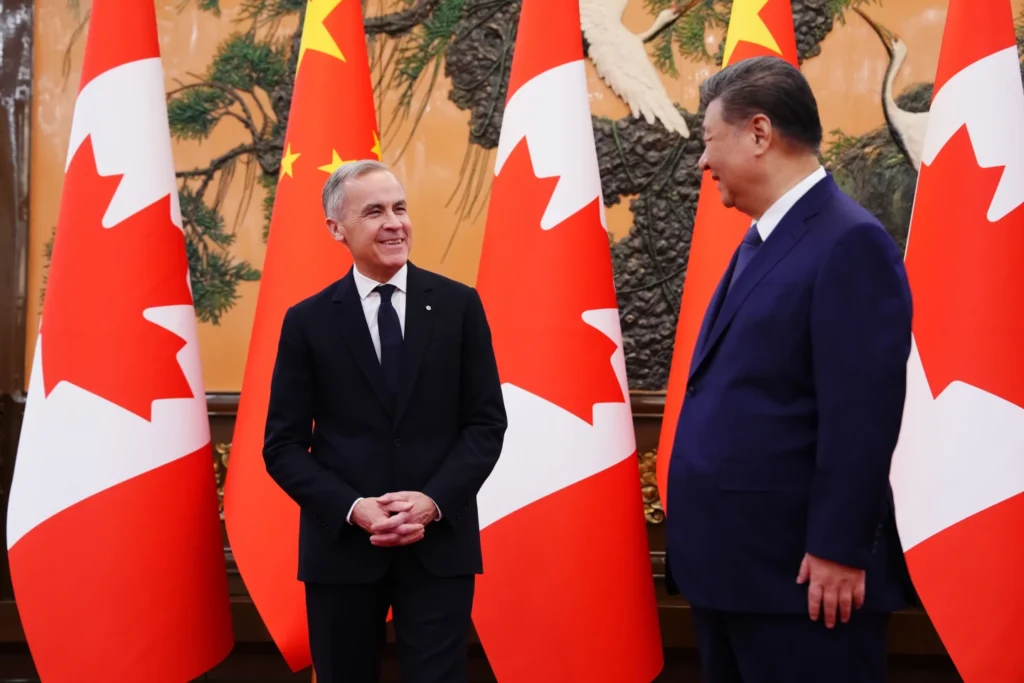
Canadian leader Mark Carney met with Chinese President Xi Jinping this week, a symbolic step toward repairing a relationship strained for nearly a decade. While only two men sat at the table, a third presence loomed large over the talks: U.S. President Donald Trump.
Trump’s policies, confrontational style, and provocative rhetoric toward Canada helped shape discussions taking place some 8,000 miles (13,000 kilometers) from Washington.
Both Ottawa and Beijing are reassessing their relationship against the same backdrop — uncertainty over what the United States might do next.
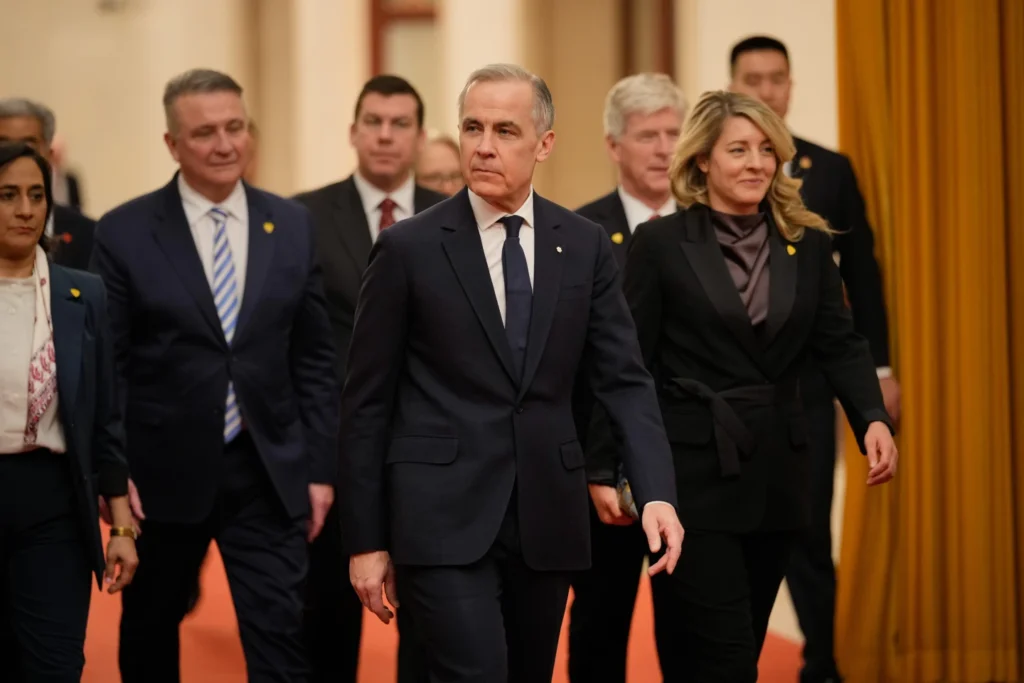
Canada’s renewed engagement with China, its second-largest trading partner after the U.S., reflects what Chinese media have repeatedly described in recent days as “strategic autonomy.”
In practice, the concept signals a shift for a country long bound to the United States by deep economic, political, and security ties: Canada is seeking additional pillars to support its global position amid growing friction with its closest ally.
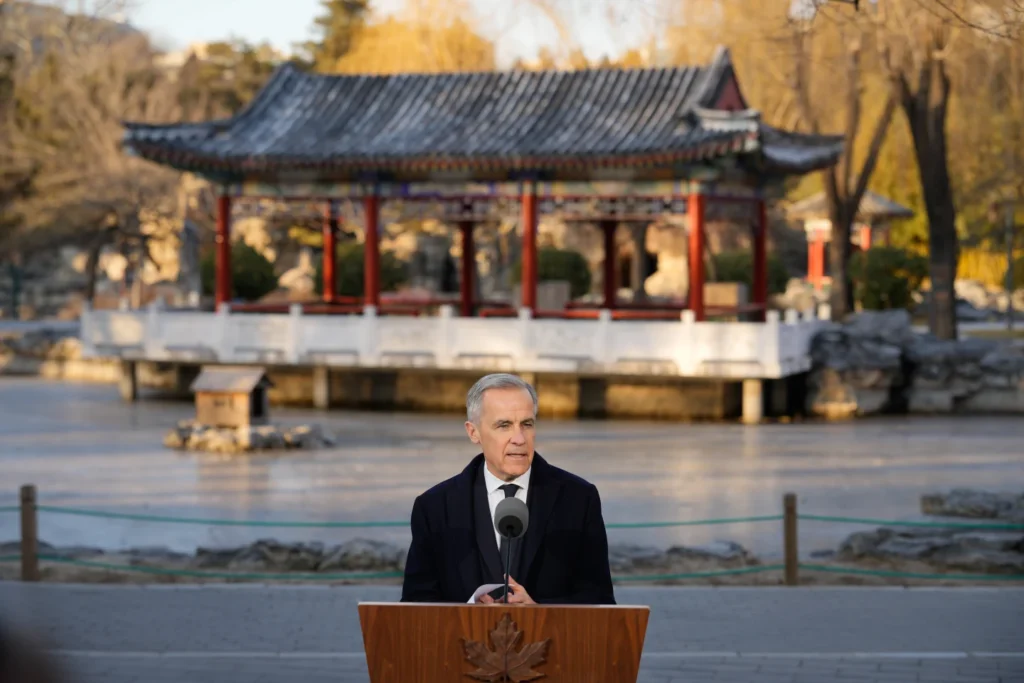
For Ottawa, strategic autonomy means cautiously rebuilding ties with Beijing while acknowledging clear limits. Carney has openly recognized differences in culture and “ways of life,” language he used when pressed on China’s human rights record.
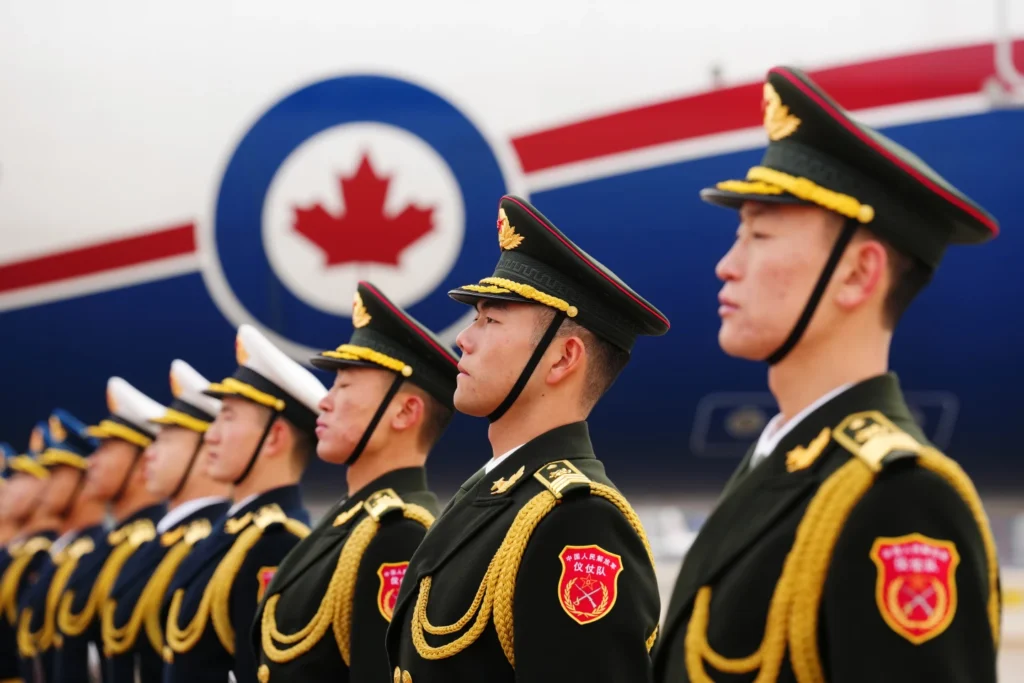
It is a diplomatic way of conceding that while cooperation is possible, fundamental political and cultural divides — particularly over freedoms and governance — will continue to constrain the relationship.
By James Kisoo