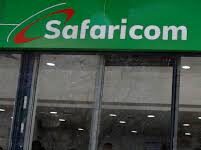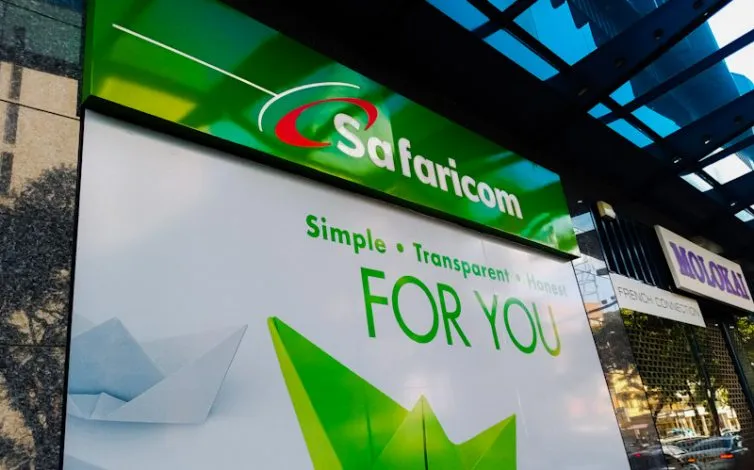
In early 2026, public debate in Kenya has intensified over the government’s plan to sell a 15% stake in Safaricom to Vodacom Group, with residents and political leaders expressing fears that the KSh 245 billion proceeds could be mismanaged or “lost”.
Some leaders have warned against the sale by citing the collapse of other state-linked entities like Mumias Sugar, suggesting that divesting from profitable national assets could lead to similar long-term losses.
Opposition leaders and some residents have accused the National Treasury of a lack of transparency, specifically regarding the “negotiated block trade” approach rather than a public-market offering.
Allegations have surfaced that the KSh 34 per share price tag may undervalue the company’s long-term potential, despite the government’s claim that this represents a 20.6% premium over recent market closes.
Concerns have been raised that the state is forfeiting significant future dividends in exchange for a one-time “windfall” to plug current budget deficits.
Treasury CS John Mbadi has moved to calm these fears, vowing that the proceeds will be used productively for development projects rather than recurrent expenditure.
Both the Central Bank of Kenya (CBK) and the Capital Markets Authority have backed the sale, assuring the public that the transaction will not threaten the country’s financial stability.
Following significant uproar, the National Assembly initiated public hearings in late January 2026 to allow Kenyans to weigh in on the divestiture plan.
Officials emphasize that even after the sale, the government will retain a 20% stake, ensuring it remains a significant shareholder with a say in the company’s operations.
Anthony Solly