By Andrew Kariuki
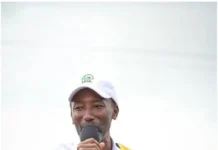
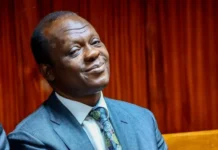
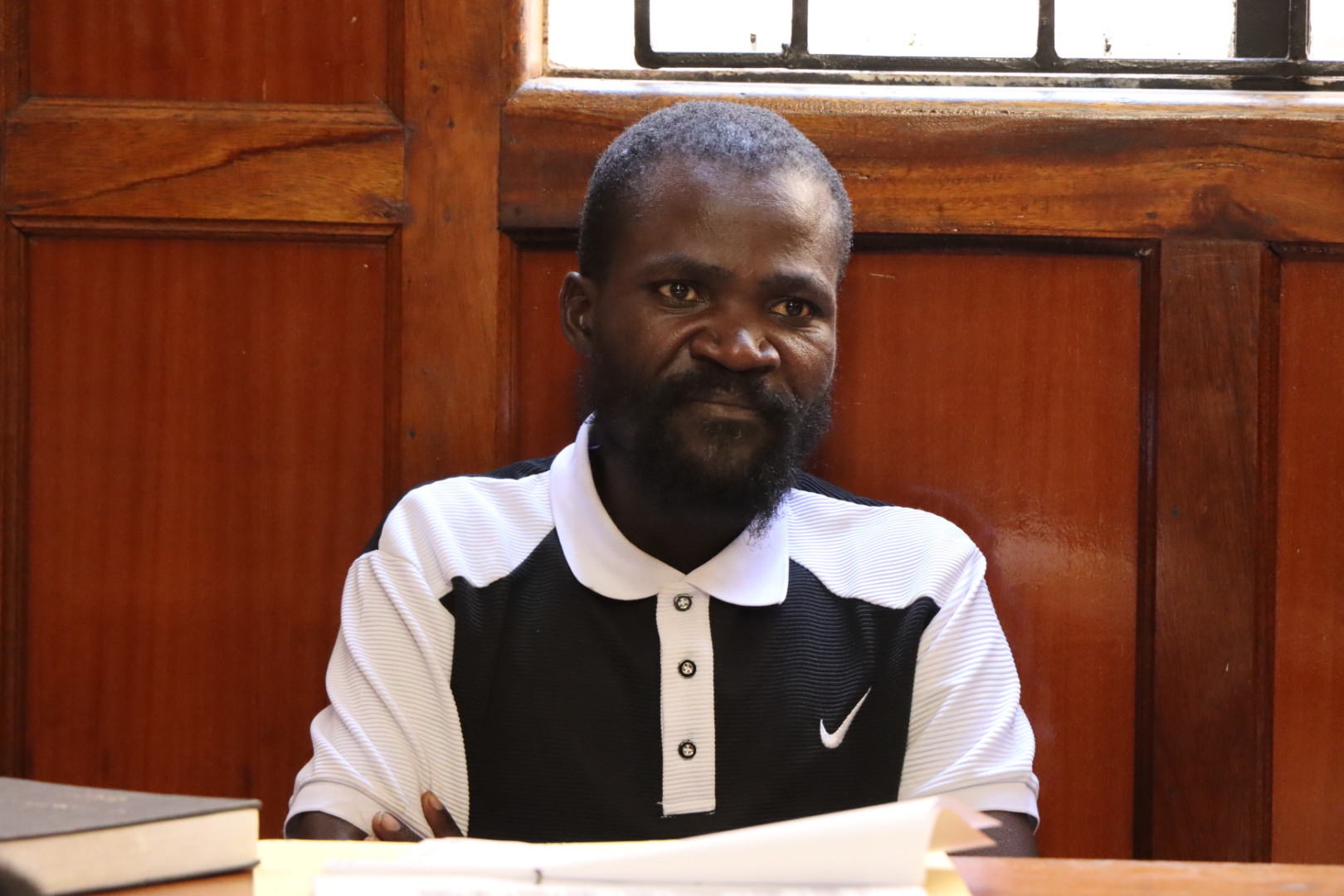
A Nairobi court has acquitted political activist Nuru Okanga of all charges related to alleged threatening and defamatory online content against President William Ruto, after ruling that prosecutors failed to establish a case requiring him to defend himself.
In a ruling delivered on Tuesday, January 20, 2026, the Milimani Law Courts found that the prosecution did not present credible evidence linking Okanga to the video that formed the basis of the charges.
The case had been brought under the Computer Misuse and Cybercrimes Act, with prosecutors alleging that the activist published a video on social media platforms, including TikTok, containing remarks interpreted as threatening to the Head of State.
Trial magistrate Rose Ndombi held that the evidence placed before the court fell short of the legal threshold required to prove that Okanga authored, uploaded or circulated the disputed content.
The court noted that key investigative steps had not been taken, including the seizure and forensic analysis of electronic devices allegedly used to post the video.
During the trial, the investigating officer admitted that he was not a digital forensics expert and could not independently verify whether the video was authentic or manipulated using artificial intelligence tools.
He further conceded that he relied on a report from the Communications Authority of Kenya and did not personally analyse the video in court.
A digital analyst who testified also acknowledged that the video had not been extracted from Okanga’s devices and that the analytical tools used were subject to emerging errors, raising concerns over reliability.
The court further found that the prosecution failed to demonstrate compliance with statutory requirements governing the handling, extraction and custody of electronic evidence, as set out under the Evidence Act.
In acquitting Okanga under Section 210 of the Criminal Procedure Code, the court ruled that the prosecution had not established a prima facie case on any of the three counts facing the accused.
Okanga was represented by lawyer and Embakasi East Member of Parliament Babu Owino.