By Andrew Kariuki
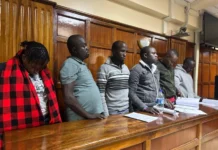
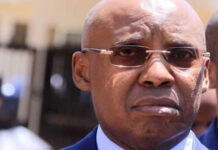
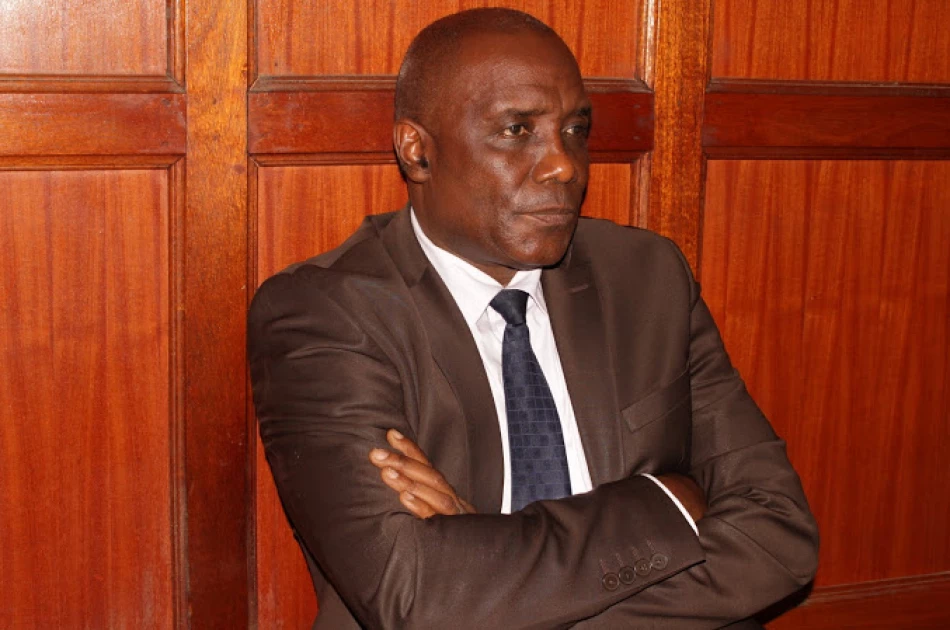
A magistrate’s court has acquitted former National Land Commission (NLC) chair Mohammed Abdalla Swazuri and 16 co-accused in a high-profile land compensation case involving Ksh 221 million.
The group had been charged in 2018 and 2019 over allegations of conspiracy, abuse of office, money laundering, and irregular compensation linked to land belonging to the Kenya Railways Corporation. All the accused had denied the charges.
In its ruling, the court found that the prosecution failed to prove its case beyond reasonable doubt, bringing the long-running trial to an end.
The trial magistrate held that none of the charges had been sufficiently established, noting that critical elements of the alleged conspiracy were not supported by evidence. The court further observed that the dispute appeared to arise from an administrative conflict rather than criminal conduct.
The court also found no evidence to demonstrate that the compensation paid out was unlawful.
On the issue of liability, the magistrate emphasized that criminal responsibility cannot be imposed on public officials acting on the basis of existing land titles unless there is clear evidence of fraud or criminal intent. In this case, the court found that no such evidence had been presented.
Regarding the ownership of the land in question, the court noted that the prosecution had failed to prove that it was public land. Testimony presented instead suggested that the land bore characteristics of private or township property, weakening the State’s case.
The court further addressed the validity of the land titles, stating that while the titles existed, there was no evidence to show that they had been lawfully cancelled or challenged. As a result, their legal status remained intact.
Additionally, the prosecution failed to establish that the land was unavailable for allocation, relying largely on suspicion rather than concrete proof.