By Bonface Mulyungi
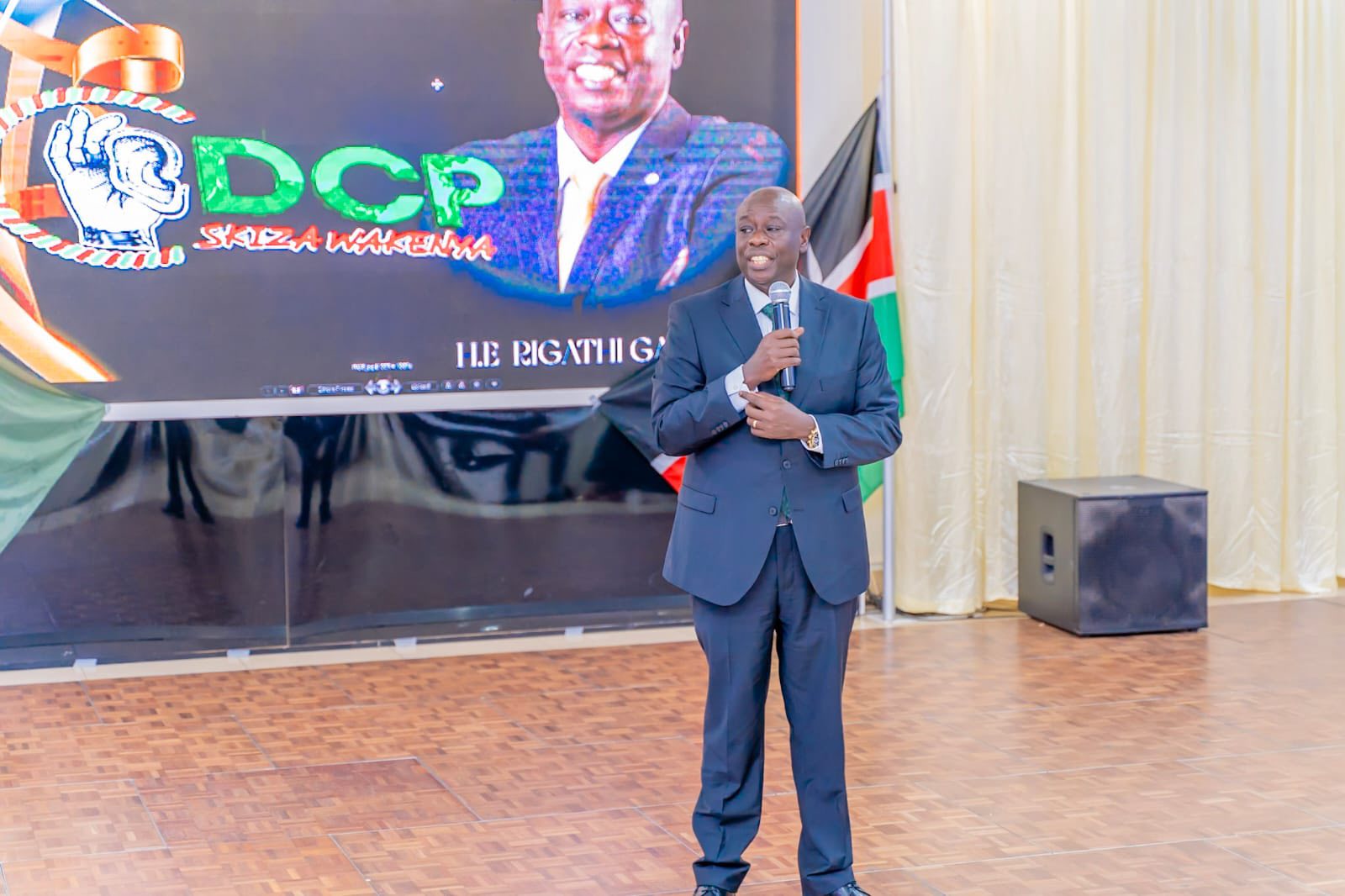
The Democracy for the Citizens Party (DCP) leader Rigathi Gachagua has dismissed claims that the ongoing global tensions around the Strait of Hormuz are responsible for Kenya’s surge in fuel prices, instead accusing President William Ruto of inflating the landed cost of petroleum products through the government-to-government fuel importation deal.
Speaking from the United Kingdom during a press briefing streamed on his Facebook page on Tuesday, Gachagua claimed Kenya does not source its fuel directly from Iran or via the Strait of Hormuz, but rather from the Abu Dhabi National Oil Company (ADNOC) in Dubai and Saudi Aramco in Saudi Arabia.
“Our fuel doesn’t come from Iran. It doesn’t go through the Strait of Hormuz. Our fuel is sold by ADNOC in Dubai and Saudi Aramco in Saudi Arabia, that’s where the fuel is processed and therefore this story that we’re having a challenge because of the Strait of Hormuz is hot air,” Gachagua alleged.
The former DP further alleged that the real problem in Kenya’s fuel pricing stems from “conflict of interest and state capture” within the government-to-government (G-to-G) fuel import arrangement.
“The real issue facing our country in matters fuel is conflict of interest and state capture. The G-to-G arrangement is a business agreement by President Ruto through Gulf Energy to fleece Kenyans and the issue is not the taxes, it is the landed cost of fuel in Kenya,” he claimed.
“As we speak today, the landed cost of oil in matters Petrol is Ksh.170, and Diesel is Ksh.167. We have information that is confirmed that in the landed cost of Petrol, William Ruto pockets Ksh.37 per litre, and in Diesel he pockets Ksh.40 per litre. This is what we need to discuss.”
However, Gachagua did not provide any evidence to substantiate the allegations against the President or the claims regarding the fuel pricing structure.
His remarks contradict statements made by Treasury Cabinet Secretary John Mbadi, who attributed the spike in fuel prices to global market disruptions linked to tensions in the Middle East.
“We are concerned that the transport sector is basically paralysed because of the strike but it is important to understand the background of where we are today. This is a global phenomenon. The high fuel prices are a world crisis,” Mbadi stated on Monday, May 18, during a press briefing.
“I was recently in the US in a meeting with one of the IMF officials and we spent almost 80 per cent discussing the possibility that the world is going to face a fuel crisis because of the closure of the Strait of Hormuz as a result of the US-Iran war.”
He added: “The Strait of Hormuz is where at least 20 per cent of the world’s oil supply comes from but Africa is even more affected because the bulk of our fuel supply comes from that region.”
The Strait of Hormuz, located between Oman and Iran, remains one of the world’s most critical oil transit chokepoints, with nearly a fifth of global oil consumption passing through the narrow waterway daily.
Global markets have remained on edge following escalating tensions between the United States and Iran, with concerns growing over possible disruptions to oil shipments through the route. While the strait remains open, increased military activity in the Gulf region has triggered fears of supply interruptions and rising global fuel prices.
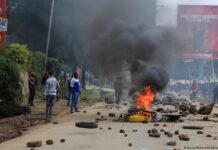
The remarks come amid growing public outrage over rising fuel prices, with protests disrupting transport operations and business activities in several parts of the country.
Currently, the Energy and Petroleum Regulatory Authority (EPRA)has announced a mid-cycle recalculation of maximum pump prices following a petition by public transport operators, lowering diesel by Ksh.10.06 per litre while raising kerosene by Ksh.38.60, with super petrol unchanged.
This now brings the cost of Super Petrol, Diesel and Kerosene to retail at Ksh.214.25, Ksh.232.86 and Ksh.191.38 per litre, respectively.