For over a decade, Sanam, an Iranian immigrant, meticulously navigated the complex path toward U.S. citizenship.
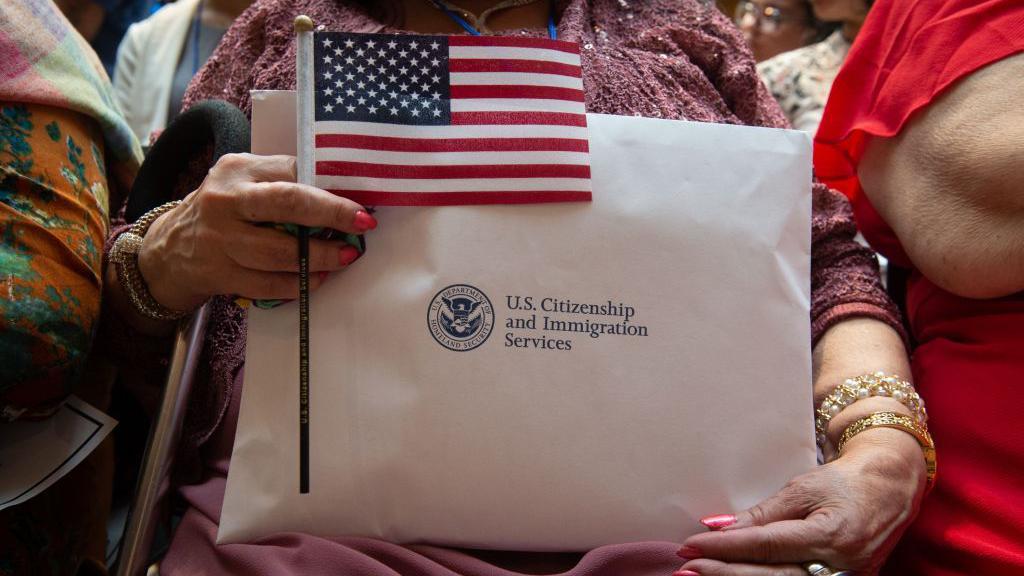
After years of paperwork, approvals, tests, and security vetting, she finally reached the final step: her naturalization ceremony was scheduled for December 3rd.
Then, just two days before she was to take the oath, the ceremony was abruptly canceled.
Sanam was shocked and confused. She hadn’t received any explanation. “I didn’t understand why the ceremony was cancelled when I hadn’t done anything wrong,” she told the BBC. Later, she discovered the reason: her birthplace. A deep sadness and frustration settled in.
“It’s been years, and I feel so drained,” she said. “Can I even keep going with this process? It’s just very heartbreaking.”
Sanam—who wishes to remain anonymous for fear of retaliation but shared her nickname—lives in Oregon with her husband, a U.S. citizen from Kansas. Her identity has been verified by the BBC.
Her case is not isolated. Earlier this month, the Trump administration began canceling the citizenship ceremonies of immigrants from 19 countries already subject to a travel ban, including Iran. This controversial decision has left many legal permanent residents—who had completed every requirement and were awaiting only the final formality—in indefinite limbo.
“It just feels like our life is in this unstable, limbo state,” Sanam said. She and her husband feel they are “at the mercy of what the government decides.”
The experience has forced Sanam to reconsider whether staying in the U.S. is worth it. She still has family in Iran, including her aging parents, and doesn’t know when she’ll be able to see them again.
“It’s hard to think about hope at this point,” she admitted. “It’s a really scary time. And as we approach the holidays—a season of joy and family—it’s just really sad that people are going through this.”
By James Kisoo