By Andrew Kariuki
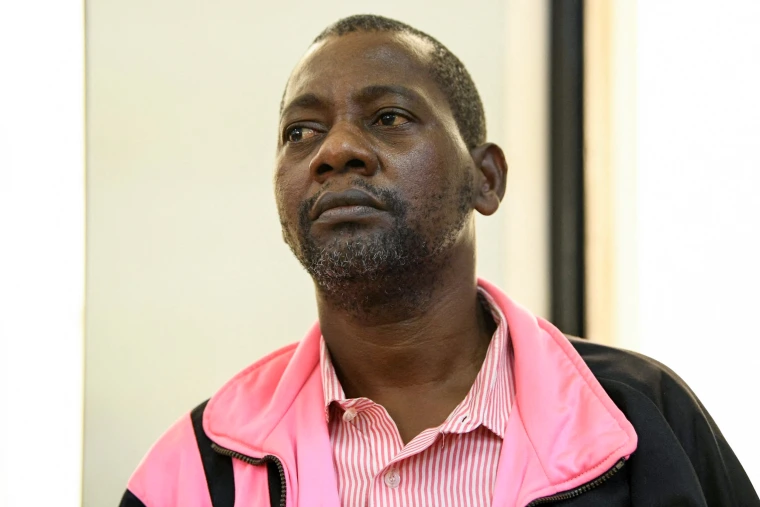
The Director of Public Prosecutions (DPP) has formally closed its case against controversial preacher Paul Mackenzie and 96 co-accused persons in the Shakahola radicalisation and organised crime trial, marking the conclusion of a detailed prosecution phase that laid bare an extensive and deliberate scheme of religious indoctrination.
The accused are facing charges related to radicalisation and organised criminal activity before the Shanzu Law Courts.
This marks the second case involving Mackenzie that the prosecution has concluded.
A separate case relating to offences against children was closed in September 2025, while two other matters involving murder and manslaughter charges remain ongoing before courts in Mombasa.
The prosecution case, which commenced on 8 July 2024, saw the DPP call 96 witnesses, including survivors, investigators, medical practitioners, forensic experts and pathologists and produce close to 500 exhibits.
Prosecutors told the court that the evidence demonstrates that the deaths at Shakahola were neither accidental nor voluntary, but were the outcome of a systematic campaign of indoctrination, isolation and coercion.
Principal Magistrate Leah Juma formally closed the prosecution case after receiving final testimony from key investigators, including Chief Inspectors Raphael Wanjohi and Peter Mwangi, Inspector Onyango Owade and Detective Constable Alfred Mwatika, who jointly investigated the events at Shakahola Forest.
Testifying before the court, Chief Inspector Wanjohi stated that Mackenzie used the Good News International (GNI) Church as a vehicle to radicalise followers through distorted religious teachings over a period exceeding a decade.

He told the court that Mackenzie relied heavily on media platforms, including Times Television; shut down in 2019 for airing extremist content, as well as YouTube channels, seminars, crusades and WhatsApp groups to disseminate his ideology and recruit followers.
According to investigators, the indoctrination intensified between 2020 and 2023, during which followers were instructed to sever ties with society, abandon formal education, reject medical care and disengage from state institutions.
Parents were allegedly persuaded to withdraw children from school and relocate to Shakahola under false pretences.
Evidence presented before the court showed that Mackenzie acquired approximately 480 acres of land in Shakahola, which he subdivided into villages bearing biblical names.
Investigators testified that he established a rigid command structure enforced by guards, overseers, cooks and grave diggers, all operating under his direct authority.
The court heard that at least 426 bodies were exhumed from the forest, with investigators indicating that the actual death toll may be higher.
Medical and forensic evidence presented by the prosecution established starvation—initially voluntary but later enforced—as the primary cause of death, with women and children targeted first.
Inspector Owade told the court that 28 rescued children described being subjected to mental torture and coercion to fast to death.
Their accounts were corroborated by medical doctors and forensic pathologists who testified on the physical and psychological effects of prolonged starvation.
DNA evidence presented by Chief Inspector Mwangi linked several accused persons to deceased children as parents or close relatives, highlighting the extent of manipulation and control exercised within the group.
Detective Constable Mwatika, while summarising the prosecution case, described the GNI Church as an organised criminal network that facilitated radicalisation and extremist conduct falling within the scope of terrorism-related offences.
Investigators testified that followers quit jobs, sold property and abandoned livelihoods under Mackenzie’s influence.
The GNI Church, which operated at least 25 branches across the country, was gazetted as a criminal organisation in January 2024.
The prosecution maintains that Mackenzie and his associates used its structure to commit offences including radicalisation, murder, manslaughter, torture and cruelty to children.
With the prosecution case now closed in this matter, the court will hear closing submissions before determining whether Mackenzie and his 96 co-accused have a case to answer, a key procedural step in the DPP’s ongoing pursuit of accountability for the Shakahola atrocities.