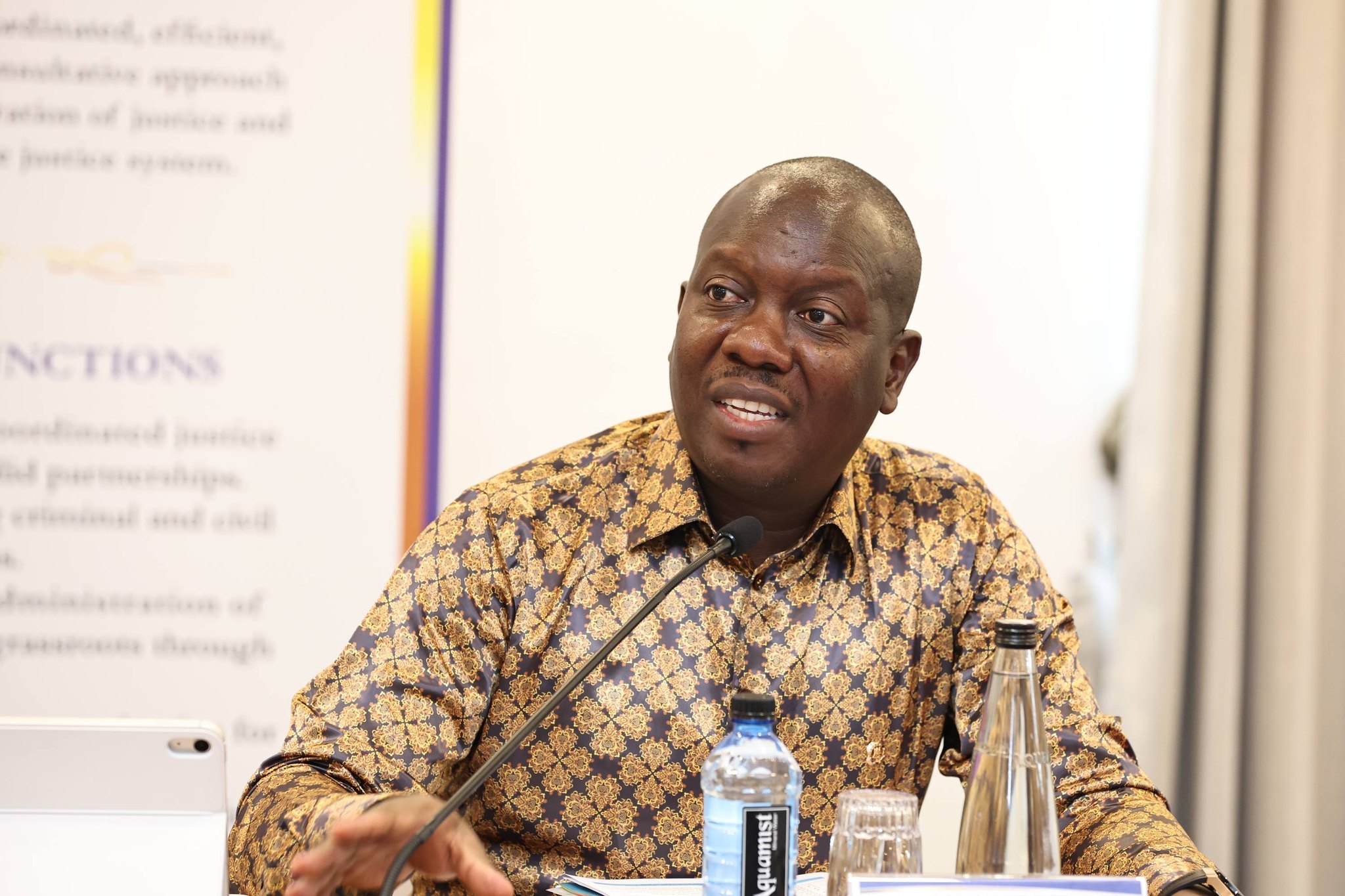
The Director of Public Prosecutions, Renson M. Ingonga, has called for bold structural reforms, accelerated digital transformation, and stricter accountability measures within Kenya’s justice system, as he delivered a keynote address at the 35th National Council on the Administration of Justice (NCAJ) meeting in Mombasa.
Speaking at the National Council on the Administration of Justice (NCAJ) Council Meeting held at the PrideInn Paradise Beach Resort & Spa, Ingonga urged justice sector leaders to move beyond routine performance reviews and instead embrace candid reflection and forward-looking reform as they shape the Strategic Plan 2026–2030.
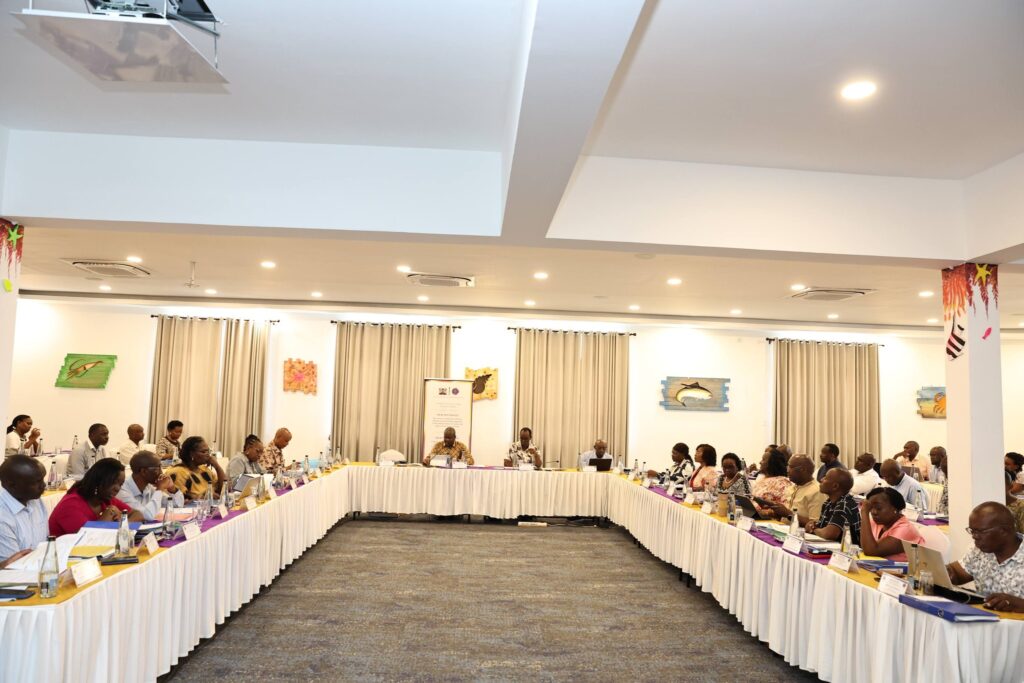
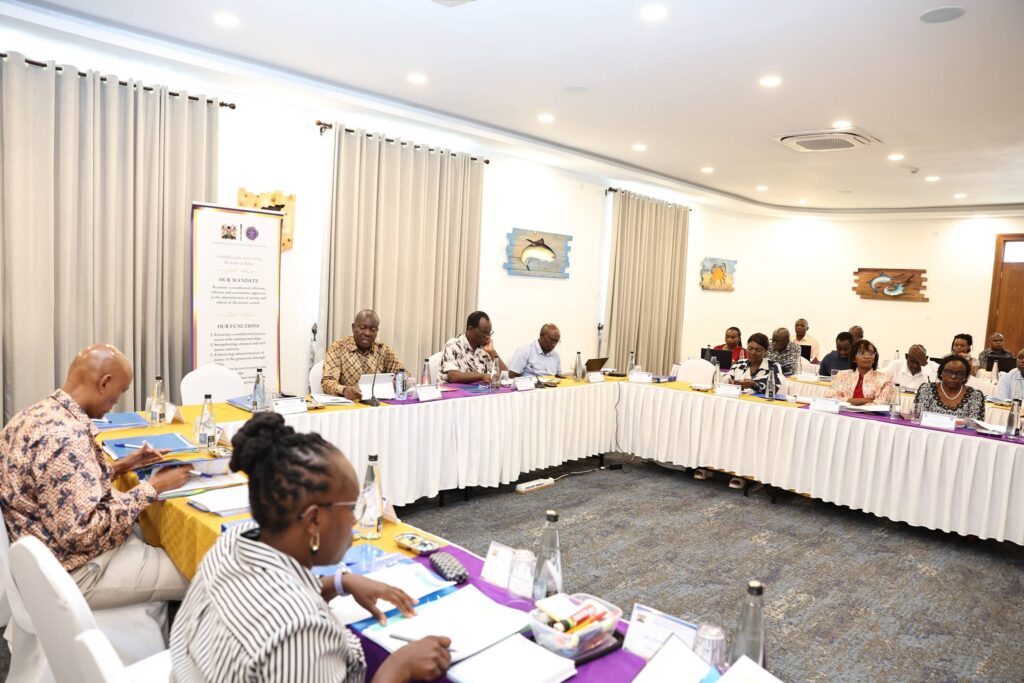
DPP Ingonga emphasized that the meeting was not merely a procedural review of performance but a strategic opportunity to confront shortcomings and set a transformative course for the 2026–2030 Strategic Plan.
“We are not gathered merely to take stock of routine performance,” he said. “We are called upon to reflect honestly on our progress, interrogate areas where we have underperformed, draw lessons from implementation challenges, and, more importantly, to chart a clear and forward-looking trajectory for our Strategic Plan 2026–2030. This process demands candour, collective ownership, and institutional courage from each of us.”
He pointed to significant gains made in the recent reform cycle, including strengthened multi-agency coordination, expanded Court Users Committees (CUCs), advances in anti-corruption and digital transformation frameworks, and the rollout of innovations such as e-filing systems, prosecutorial case management platforms, and digitized legal repositories. “These are significant achievements and should not be understated,” Ingonga noted.

The DPP was candid about persistent challenges. He noted that Case backlogs continue to weigh heavily on the system, time-to-disposition in some criminal matters remains unsatisfactory, and infrastructure, staffing, and resource constraints hamper efficiency.
“The public ultimately judges us not by the policies we draft, but by the speed, fairness and accessibility of justice delivered,” he said, stressing that unresolved delays erode public trust and undermine institutional legitimacy.
Central to his address was the call to transition fully to a people-centred justice model.
Ingonga observed that justice systems worldwide are shifting away from institution-focused approaches toward frameworks that prioritize the lived experiences of citizens. “Justice must be experienced in practical terms, not merely administered procedurally,” he stated.
A people-centred system, he said, must ensure that survivors of violence receive dignity and timely resolution, that accused persons’ constitutional rights are safeguarded without undue delay, that children in conflict with the law are rehabilitated, and that citizens in remote counties can access justice without prohibitive barriers.
He underscored that efficiency is not simply an operational target but a constitutional obligation under Article 159, which mandates that justice shall not be delayed. Continued reliance on fragmented and paper-based systems, he warned, places unnecessary strain on already limited human resources.
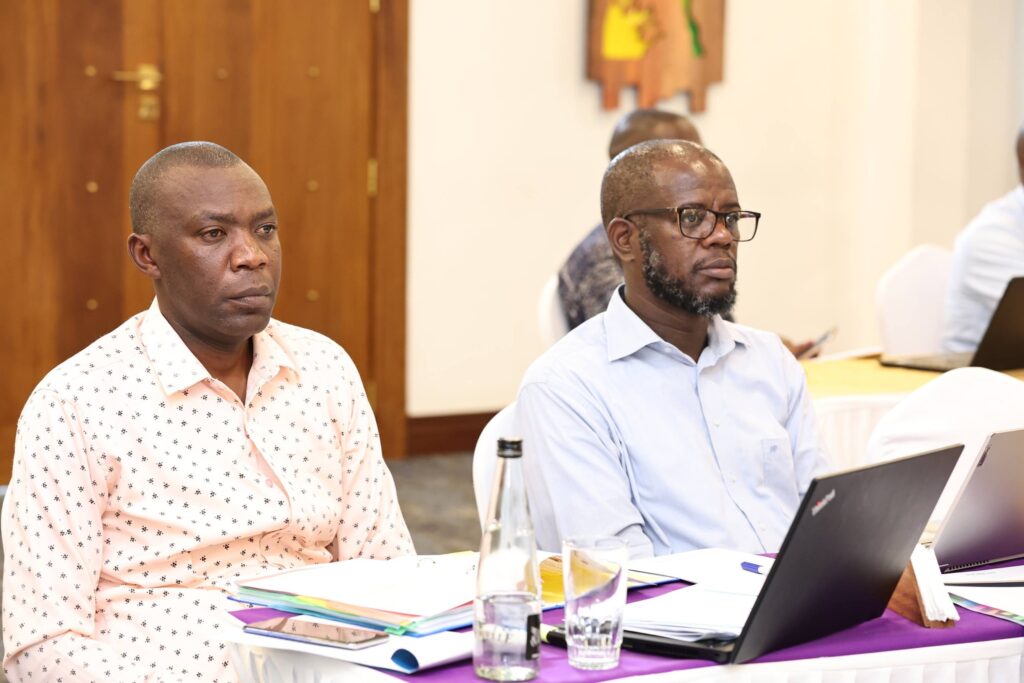
“We must systematically address the causes of adjournments, strengthen prosecutorial and investigative readiness, leverage Artificial Intelligence responsibly, and invest in inter-operable digital systems across policing, prosecution, adjudication, corrections and probation services,” he said. “Digital transformation is not optional; it is foundational to the justice system of the future.”
Ingonga also highlighted the critical role of Court Users Committees as grassroots forums that provide real-time insight into emerging justice challenges, from land disputes escalating into criminal violence to sexual and gender-based violence case handling gaps. He urged that findings from ongoing fiscal year spot-checks be directly integrated into national strategic planning, alongside increased funding and improved reporting mechanisms for the committees.
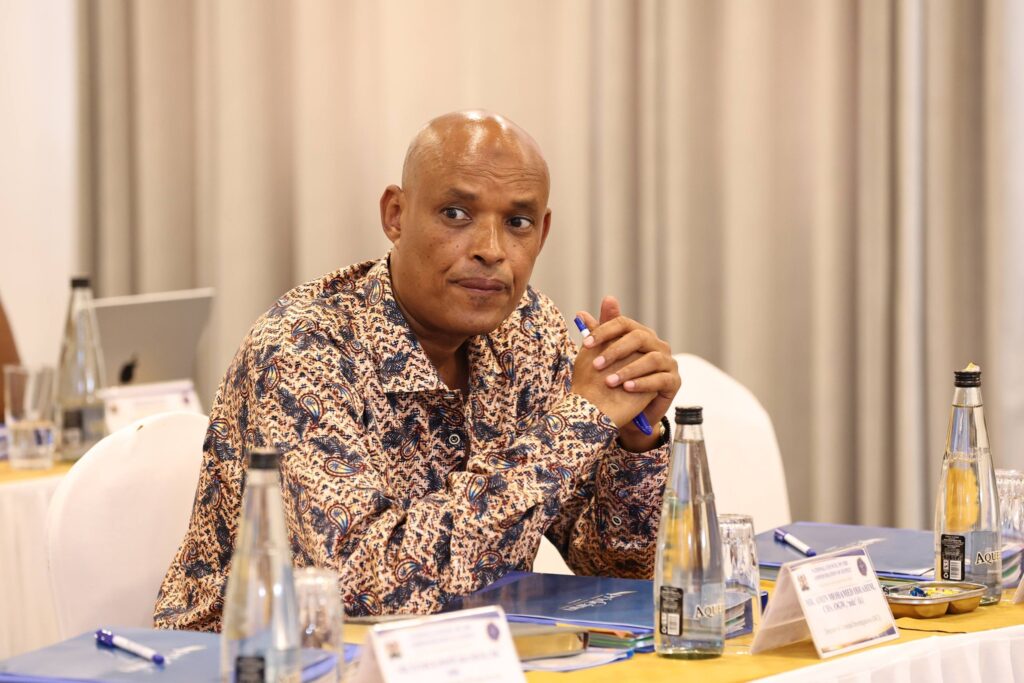
Addressing concerns about slow implementation of Council resolutions, Ingonga called for firmer oversight and measurable timelines. “For this Council to remain credible and effective, we must strengthen our technical committees, enforce clear implementation timelines, monitor progress rigorously, and hold ourselves accountable to the commitments we make,” he said, cautioning that coordination without execution weakens institutional authority.
As deliberations continue over the two-day meeting, Ingonga proposed that the 2026–2030 Strategic Plan be anchored on people-centred outcomes, digital and institutional modernization, strengthened grassroots justice systems, measurable efficiency standards, sustainable resource advocacy, and unwavering institutional integrity. “Our justice system must be citizen-responsive, technologically enabled, data-driven, financially realistic, and constitutionally faithful,” he said.
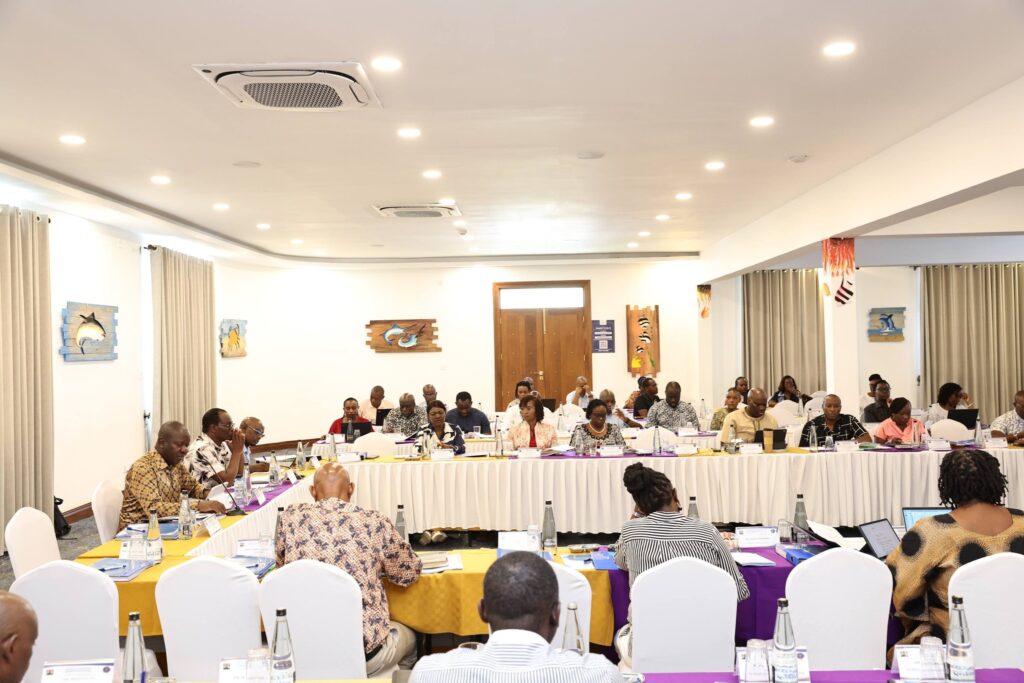
The Director of Public Prosecutions further reminded the stakeholders that justice sector reform is not an abstract policy exercise but a daily reality for millions of Kenyans. “Justice is not an abstraction; it is a lived experience for millions of Kenyans who depend on our institutions daily,” Ingonga said. “Let us commit ourselves to building a justice sector that delivers timely outcomes, protects rights, upholds dignity, and inspires enduring public confidence.”
The outcomes of the 35th NCAJ Council Meeting are expected to shape Kenya’s justice reform agenda for the next five years.