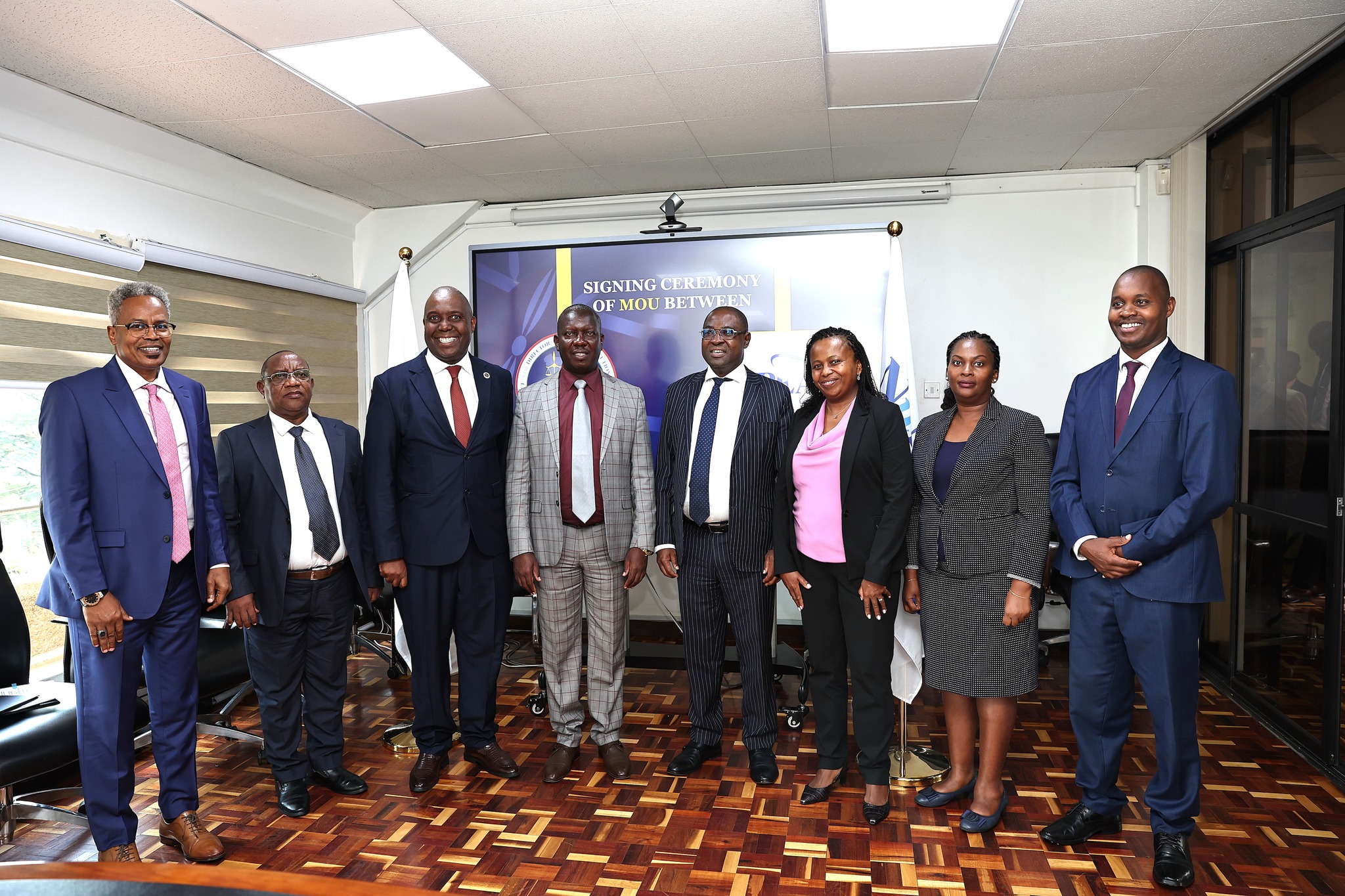
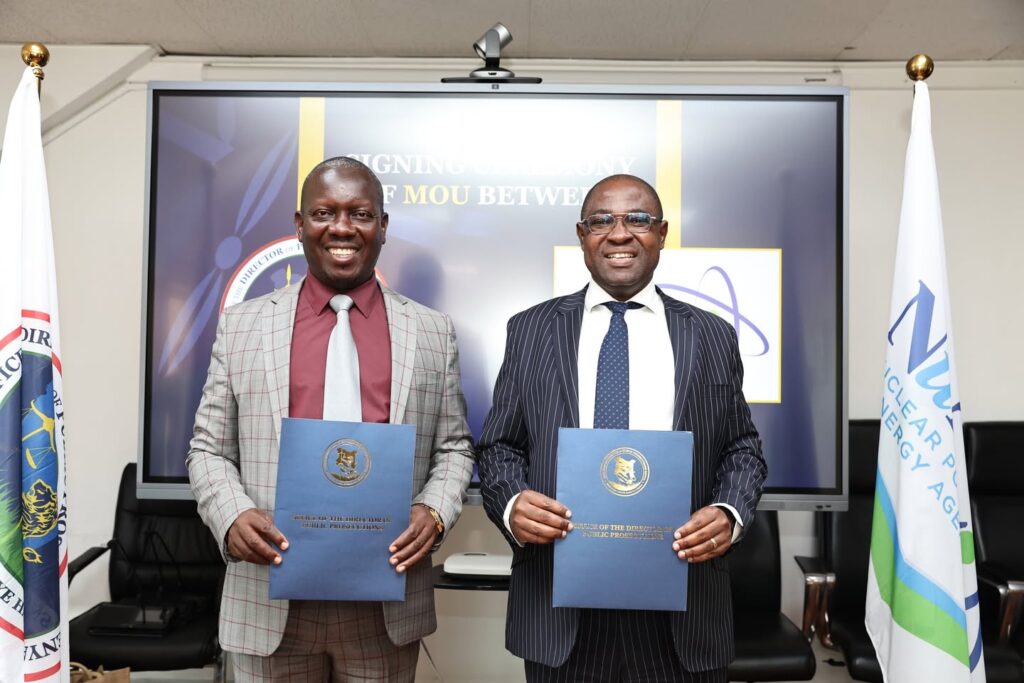
The Director of Public prosecutions Renson Ingonga CBS, OGW today presided over the signing of a Memorandum of Understanding (MoU) between the Office of the Director of Public Prosecutions and the Nuclear Power and Energy Agency, towards strengthening inter-agency collaboration in addressing nuclear power-related offences in the country.
The agreement is aimed at enhancing partnership and cooperation between the two institutions, particularly in identifying and tackling emerging and complex crimes associated with nuclear energy as Kenya advances its nuclear power programme.
The MoU outlines key areas of collaboration, including joint trainings, capacity building initiatives, and structured engagement frameworks to ensure effective coordination between prosecutors and nuclear energy experts.
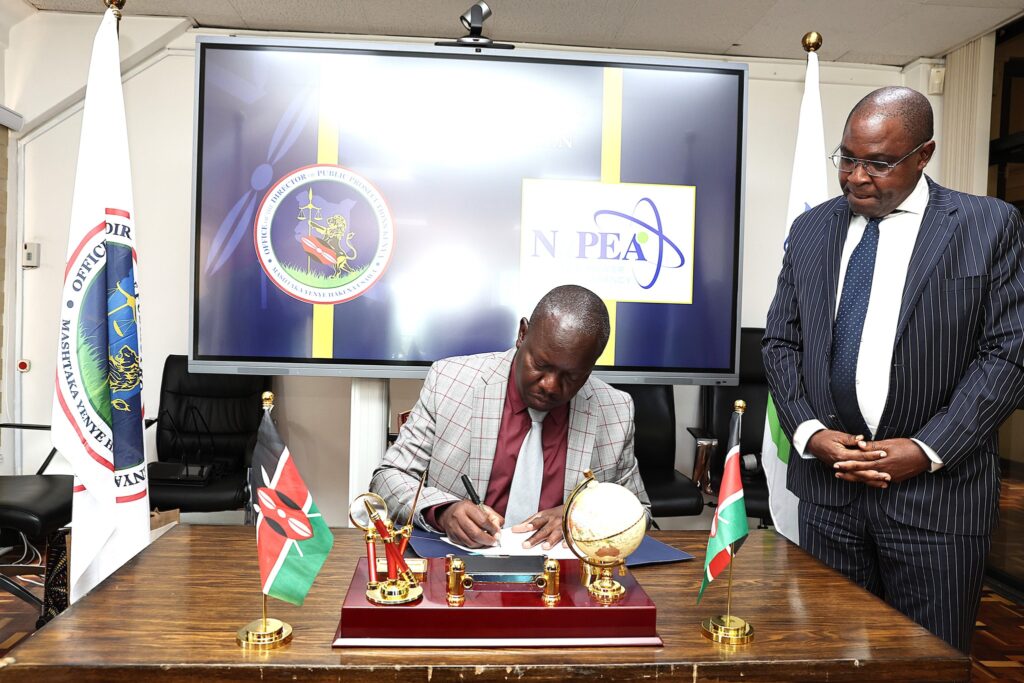
Speaking during the signing ceremony, DPP Ingonga welcomed the partnership, terming it a timely and strategic move in building institutional capacity to respond to evolving threats in the energy sector.
“This partnership underscores our shared commitment to safeguarding the public and ensuring that as the country embraces nuclear energy,” said the DPP.
He further assured the agency of the ODPP’s full support, noting that the Prosecution Training Institute will play a central role in equipping officers with the necessary expertise.
“We will ensure that the trainings undertaken at the Prosecution Training Institute, particularly on complex and emerging crimes, are tailored to deliver the intended skills and competencies required to effectively handle nuclear-related offences,” he added.
On his part, Justus Wabuyabo, Chief Executive Officer of the Nuclear Power and Energy Agency, lauded the collaboration, emphasizing its importance in enhancing understanding and effective implementation of nuclear energy policies.
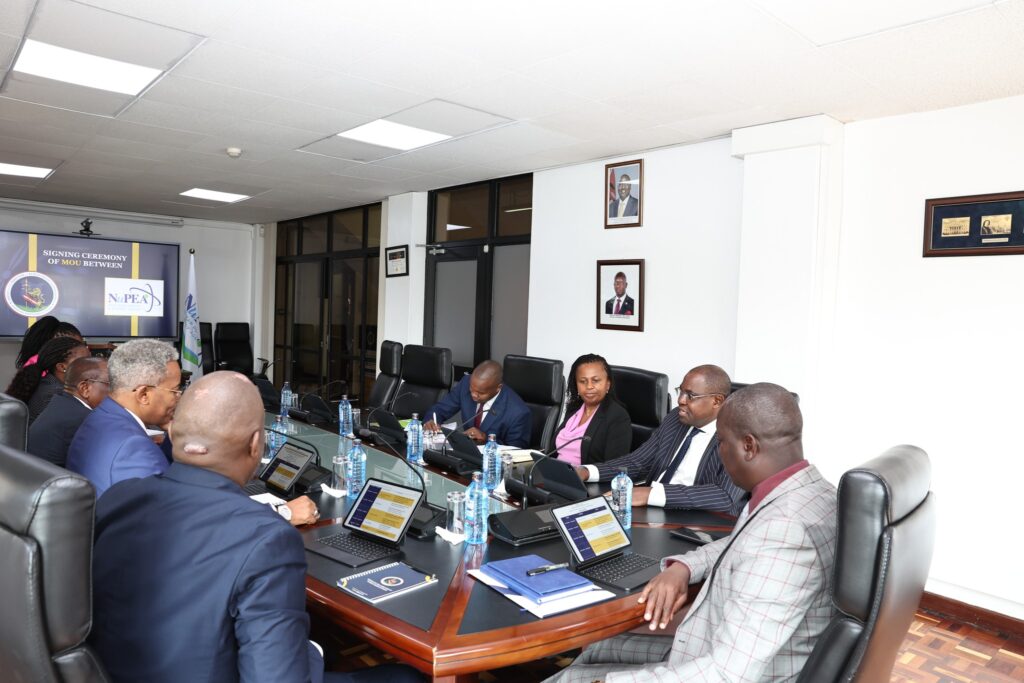
“This partnership is a critical milestone in strengthening our institutional synergy. The joint trainings will go a long way in ensuring that issues surrounding nuclear energy are well understood across agencies,” said Wabuyabo.
He expressed confidence that the implementation of the MoU will not only improve enforcement and compliance but also contribute positively to public safety and national development.
“Effective implementation of this agreement will have a meaningful impact on society by promoting safe, secure, and accountable use of nuclear energy in Kenya,” he noted.
The partnership comes at a time when Kenya is making steady progress towards the adoption of nuclear power as part of its long-term energy strategy, necessitating robust legal and institutional frameworks to address potential risks and ensure compliance with international standards.
By Anthony Solly