By Andrew Kariuki
The Director of Public Prosecutions (DPP) has asked the High Court to impose a structured sentence that combines punishment and rehabilitation for Shakahola massacre convict Enos Amanya, also known as “Haleluya”.
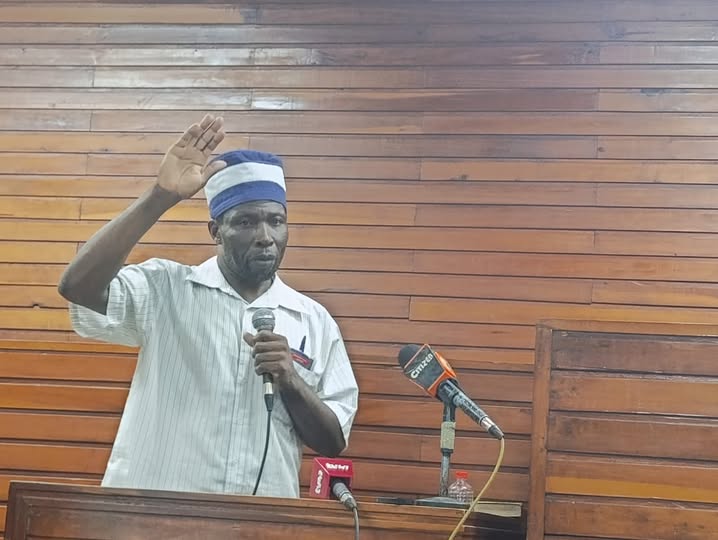
Appearing before Justice Diana Kavedza in Mombasa, the prosecution proposed an 11-year sentence for Amanya, factoring in the three years he has already spent in remand custody.
If adopted, the proposal would leave him with eight years to serve under a structured sentencing framework combining custodial and non-custodial measures.
Through Deputy Director of Public Prosecutions Jami Yamina, the State recommended that between one and two and a half years of the remaining term be served in prison under a voluntary rehabilitation programme.
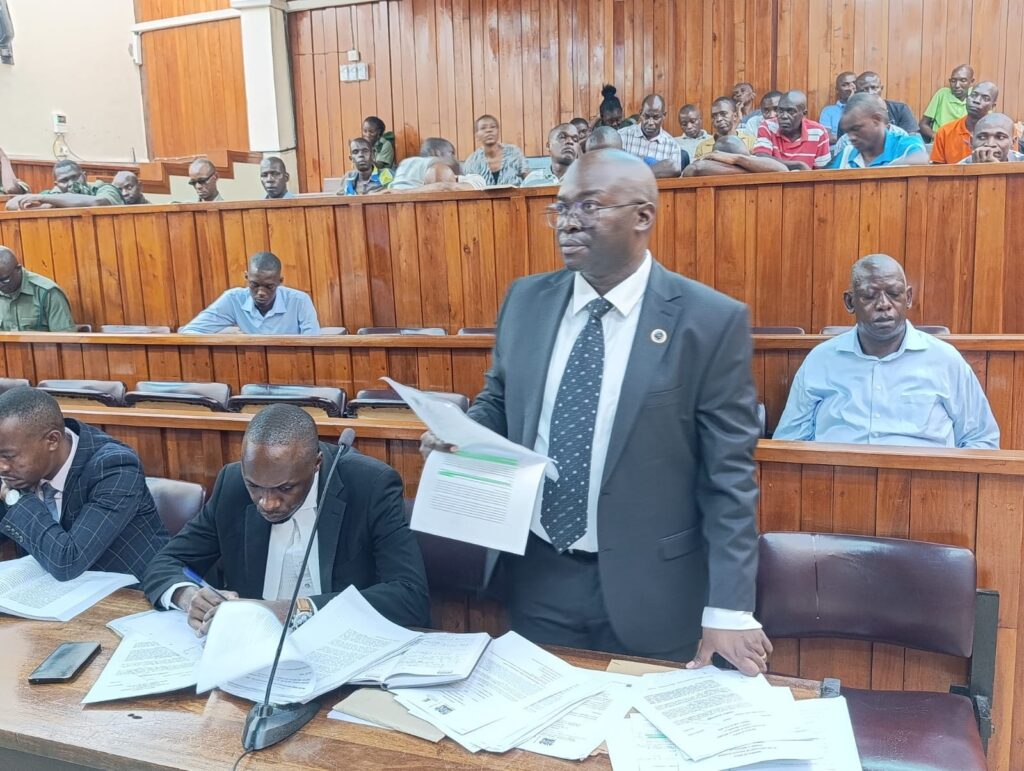
According to the prosecution, the rehabilitation programme will be jointly implemented by the National Counter Terrorism Centre (NCTC) and the Kenya Prisons Service.
The initiative will focus on disengagement from cultic beliefs, deradicalisation and preparing the convict for reintegration into society.
After completing the custodial rehabilitation component, the prosecution proposed that Amanya serve six years under supervised probation to allow authorities to closely monitor his reintegration into the community.
Amanya told the court that he is willing to cooperate with prison authorities and participate fully in the rehabilitation programme.
The court was also informed that victims and affected community members will receive psychosocial support as part of the broader restorative justice process.
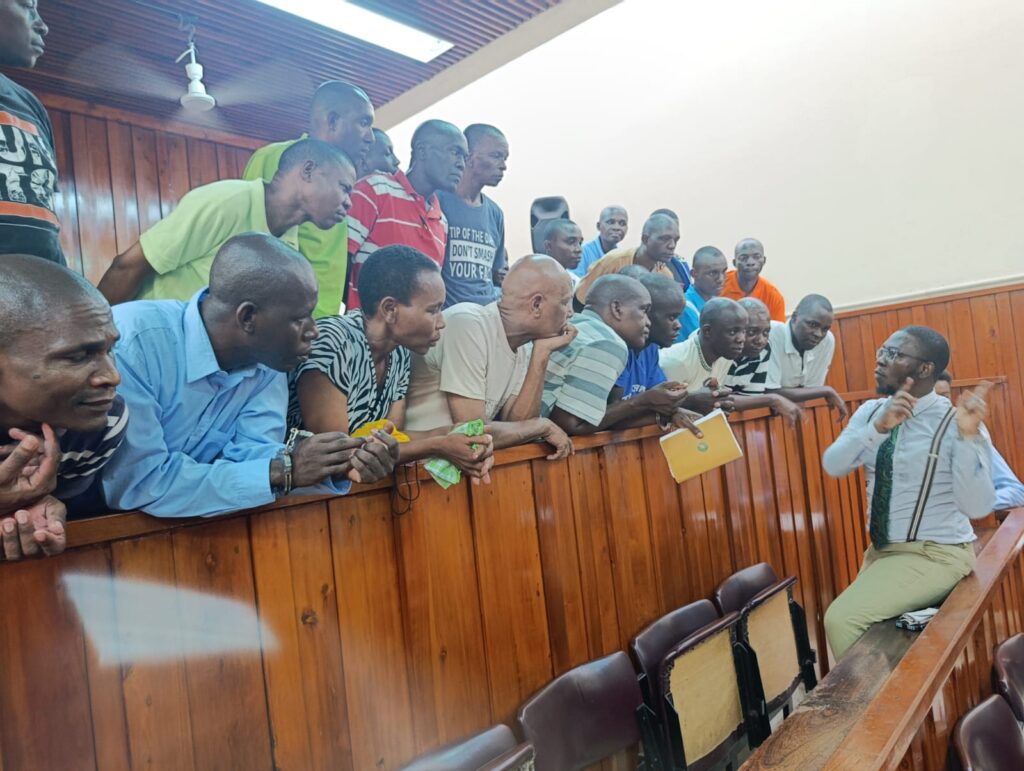
To ensure compliance with the proposed programme, the prosecution asked the court to require progress reports every six months during the rehabilitation phase.
The State further proposed that if Amanya fails to comply with the programme requirements, he should be required to serve the full prison term.
In presenting its proposal, the prosecution relied on established sentencing principles, including the doctrine of “rarest of rare cases” and the presence of extenuating circumstances.
While the doctrine ruled out the imposition of the death penalty, prosecutors said mitigating factors such as Amanya’s cooperation with investigators and willingness to plead guilty supported the proposal for a reduced sentence.
Prosecutors also told the court that greater moral responsibility for the Shakahola tragedy lies with cult leader Paul Nthenge Mackenzie and other church leaders involved in the controversial religious activities linked to the mass deaths.
The DPP indicated that the State will seek heavier sentences against the principal actors, including Mackenzie.
The matter is scheduled to continue in April 2026, when the court will give further directions on sentencing.