By Andrew Kariuki
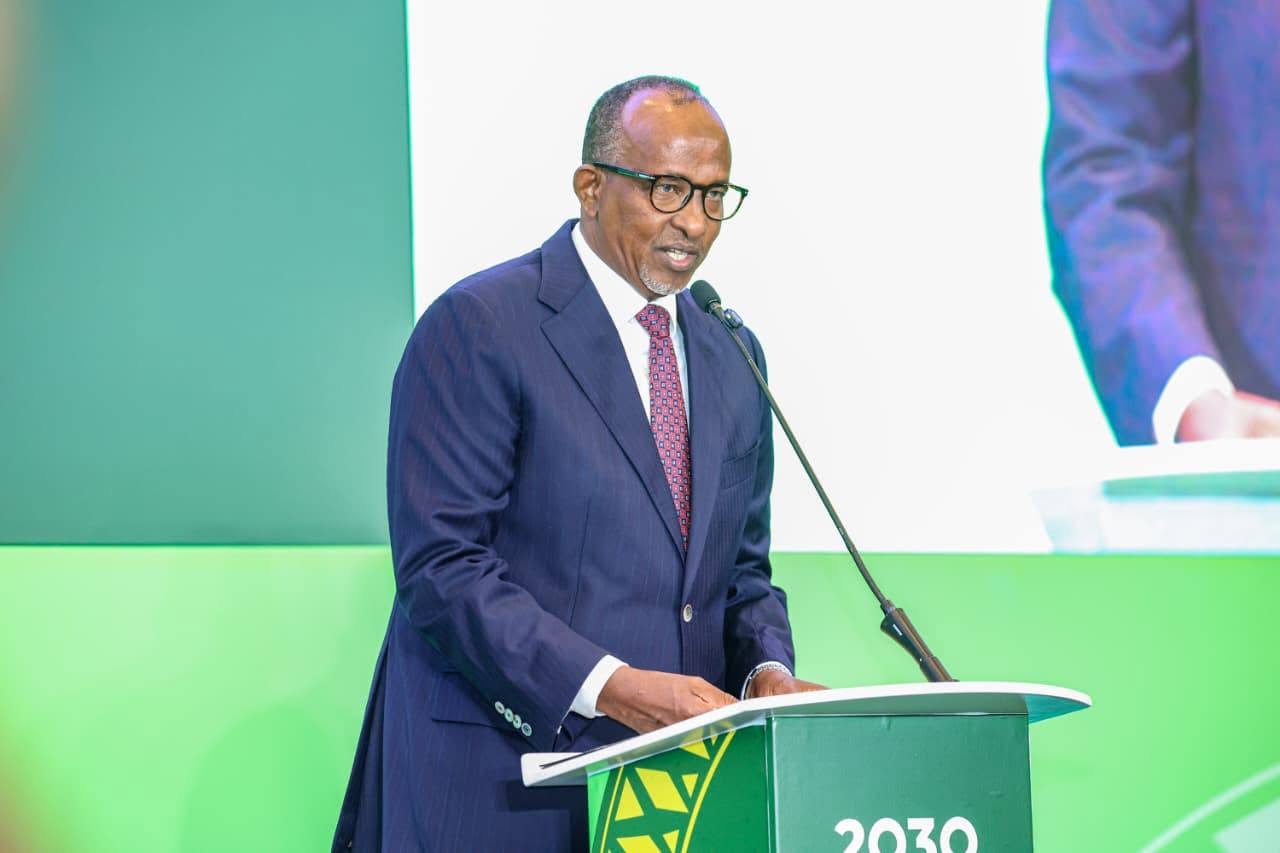
Health Cabinet Secretary Aden Duale has mounted a strong defence of the government’s Ebola preparedness strategy, telling the High Court that Kenya’s response measures are anchored in international law, scientific evidence and regional public health obligations.

In a detailed affidavit filed in response to a constitutional petition challenging the government’s quarantine framework, Duale argues that the Ministry of Health is acting within its legal mandate to protect the country from the risk of an Ebola outbreak spreading across borders.
The petition, filed by Katiba Institute and supported by the Law Society of Kenya (LSK), questions the legality and constitutional validity of the government’s preparedness measures, including plans for quarantine facilities and disease surveillance systems.
However, Duale maintains that the government’s actions are guided by established international health protocols and recommendations issued by the World Health Organization (WHO).
According to the CS, Kenya’s preparedness plan was developed after health experts assessed the growing threat posed by Ebola outbreaks reported in neighbouring Uganda and the Democratic Republic of Congo (DRC), where authorities have recorded infections and fatalities linked to the disease.
Duale told the court that the Ministry of Health has a constitutional and statutory obligation to prevent, detect and respond to public health threats, including highly infectious diseases capable of crossing international borders.
He cited the International Health Regulations (2005), a legally binding framework governing global disease surveillance and outbreak response, arguing that member states are required to strengthen preparedness measures whenever a major health emergency emerges.
The Health CS further noted that the WHO declared the Ebola outbreak a Public Health Emergency of International Concern (PHEIC) in May 2026, triggering enhanced cooperation and response obligations among countries considered vulnerable to the spread of the disease.
He also pointed to a separate declaration by the Africa Centres for Disease Control and Prevention (Africa CDC), which classified the outbreak as a continental public health emergency.
In his affidavit, Duale described Ebola as a severe viral disease with a high fatality rate and warned that early symptoms can easily be mistaken for other illnesses, making surveillance and rapid detection critical in preventing widespread transmission.
The government argues that measures already put in place, including strengthened border screening, laboratory preparedness, disease surveillance systems, infection-control protocols and quarantine readiness, are necessary safeguards intended to protect public health.
Duale also relied on regional obligations under the East African Community framework, saying partner states are expected to cooperate in controlling communicable diseases that pose a threat to citizens across the region.
The government insists that the preparedness measures are proportionate, evidence-based and designed solely to reduce the risk of Ebola entering Kenya and spreading within the country.
The case now places the High Court at the centre of a constitutional debate balancing public health protection against concerns raised by petitioners regarding legality, proportionality and the potential impact of emergency disease-control measures on fundamental rights and freedoms.
The matter is expected to proceed as the court considers whether the government’s Ebola response framework complies with constitutional requirements while addressing an evolving regional health threat.