







By Andrew Kariuki
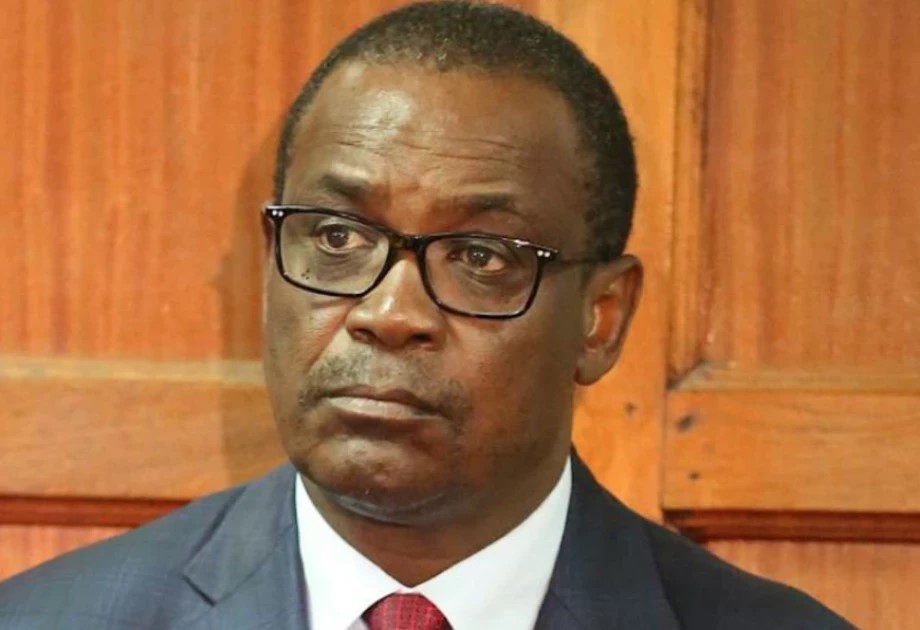
A standoff has emerged in court between the Office of the Director of Public Prosecutions (DPP) and the Ethics and Anti-Corruption Commission (EACC) over the attempted closure of a Ksh58 million corruption case involving former Nairobi Governor Evans Kidero and 15 others.
The dispute played out before Magistrate Celessa Okore after the prosecution sought to close its case, citing lack of cooperation from investigators.
Prosecution counsel Duncan Ondimu told the court that the EACC had failed to cooperate with his office, making it difficult to proceed with the matter and forcing the DPP to apply for closure of the case.
However, an EACC officer, Evans Ronoh, opposed the move, stating that investigations were still active and that witnesses had already been lined up to testify. He told the court that two witnesses had been bonded to appear on April 14, 2026, although efforts to trace others had been complicated by the death of some witnesses.
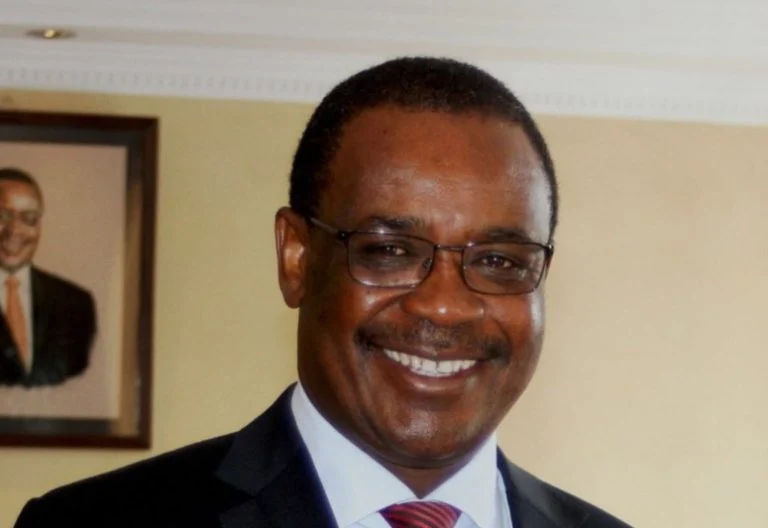
The court heard that so far, only seven out of 32 intended witnesses have testified in the case.
Ondimu further accused the investigating officer of failing to act on requests to avail specific witnesses, reinforcing the prosecution’s position that it could no longer proceed effectively.
The case relates to the alleged irregular payment of Ksh58 million to a law firm on January 7, 2014, for services that were allegedly not rendered to Nairobi City County.
Court documents show that Kidero was charged on April 29, 2019, alongside other accused persons with conspiracy to commit an offence of corruption contrary to provisions of the Anti-Corruption and Economic Crimes Act (ACECA).
Meanwhile, three of the accused persons who served as accountants at City Hall have since had the charges against them dropped. They are Manasseh Karanja, the deputy director of internal audit, Peterson Njeru and Charity Ndiritu.
The defence welcomed the prosecution’s move to close the case, indicating readiness to proceed with submissions on whether there is a case to answer.
The matter is expected to come up again on March 26, 2026, when the court will give further directions.