By Andrew Kariuki
A report by the Ethics and Anti-Corruption Commission (EACC) has revealed widespread bribery in Kenya’s private sector, with medical professionals and teachers ranking among the top recipients of illicit payments.
According to the Kenya National Gender and Corruption Survey 2025, doctors recorded the highest average bribe at Ksh5,164, followed by teachers at Ksh5,020 and nurses at Ksh3,366.
Employees in insurance companies and banks also recorded notable averages of Ksh2,351 and Ksh2,222 respectively.
The findings highlight the presence of bribery across key service sectors, including healthcare, education and financial services.
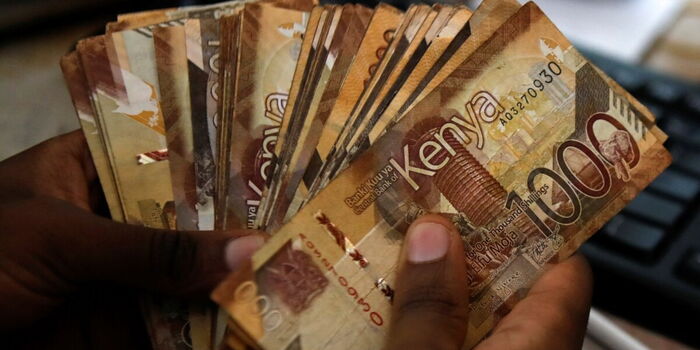
The survey further shows that bribery in the private sector remains largely cash-based, accounting for 72.2% of transactions.
Money transfers made up 10.5%, while other forms of bribery—including food, drinks, valuables, livestock or exchange of services—each accounted for less than 3%.
The data also points to differences in bribery patterns between male and female respondents across various sectors.
The report is expected to contribute to ongoing discussions on corruption, with stakeholders calling for stronger enforcement measures and accountability in both public and private institutions.