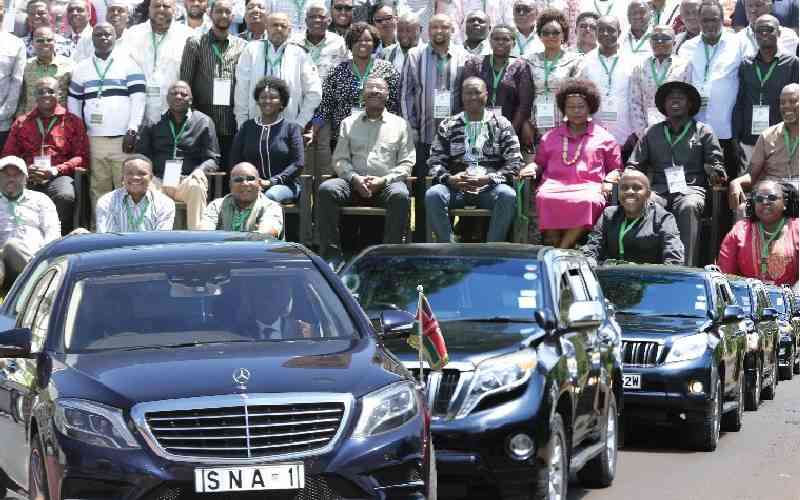
Public outrage has surged following a controversial five-day legislative retreat in Naivasha held by Members of Parliament (MPs) from January 26 to 30, 2026. Critics have labeled the event a “feast of shame,” as millions in taxpayer funds were spent on luxury accommodation while the country grapples with an economic downturn and increased taxation.
While ordinary Kenyans struggle with the rising cost of living, legislators convened at a high-end tourist resort in Nakuru County to “marshal House business” and “secure a parliamentary legacy”.
Millions of shillings were reportedly spent on travel, per diems, and resort fees. Public anger was fueled by the question of why the meeting was not held within the Parliamentary precincts in Nairobi to save costs.

The retreat took place amid a “watchdog crisis,” with critics, including civil society and the Auditor General, accusing Parliament of becoming a “rubber stamp” for the Executive.
The display of opulence contrasts sharply with the fiscal measures being implemented or proposed for the 2025/2026 financial year:
Despite government assurances of no new taxes, the Finance Bill 2025 (already active) and upcoming 2026/2027 budget preparations have introduced or maintained heavy levies.
Proposals have surfaced to raise VAT from 16% to 18% on basic goods, alongside a 5% tax on farm produce and 10% on land.
In April 2025, MP salaries were increased by over KSh 360,000 through a new fixed mileage allowance, bringing their total monthly compensation to approximately KSh 1.45 million.
Inflation remains high, with the price of a standard loaf of bread projected to reach KSh 75. Analysts warn that Kenya faces “heightened political instability” in 2026, as the aftershocks of the Gen Z-led protests continue to drive public resistance against government waste.
By Anthony Solly