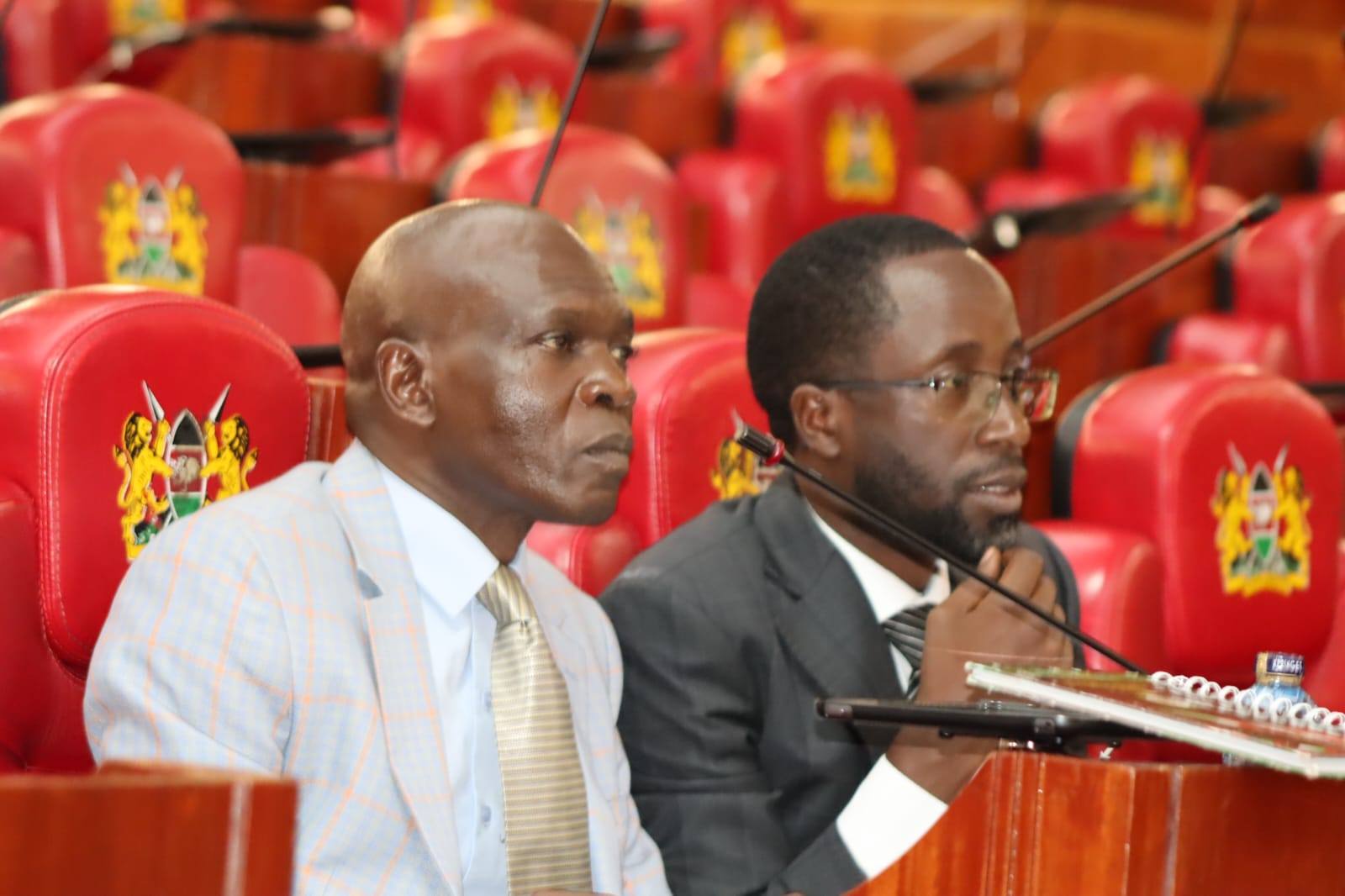
Members of the National Assembly Committee on Education have questioned the escalating pending bills and stalled infrastructure projects in the State Department for Higher Education’s Supplementary Estimates for the 2025/26 financial year.
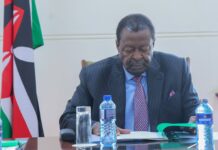
Appearing before the Committee, Principal Secretary Dr. Beatrice Inyangala defended the proposed Sh14.36 billion adjustment, even as lawmakers pressed for accountability on rising debt and funding priorities.
Committee Chairperson, Hon. Julius Melly warned that the State Department risks insolvency if urgent measures are not taken to address pending bills, which have surged dramatically.

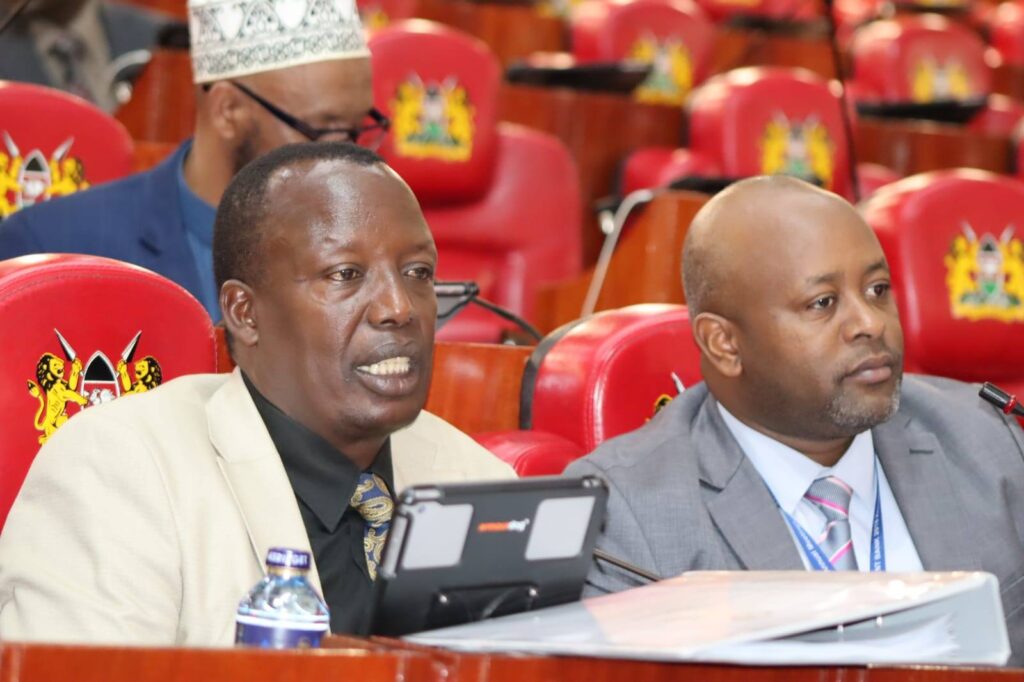
“Two years ago, pending bills stood at Sh15 billion. Today, they have hit Sh60 billion and are now at Sh98 billion. You must explain to this country how these obligations keep rising. At this rate, the State Department will be insolvent,” Melly cautioned.
Official documents tabled before the Committee indicate that public universities had accumulated pending bills amounting to Sh98.06 billion as at December 31, 2025, with no provision for their settlement in the upcoming financial ceilings.
Lawmakers also took issue with stalled projects across universities, questioning why new projects continue to receive funding while existing ones remain incomplete.
The Department listed nine stalled projects across four universities, including Laikipia, Egerton, Moi and the University of Nairobi, some with completion rates as low as 0.31 percent.
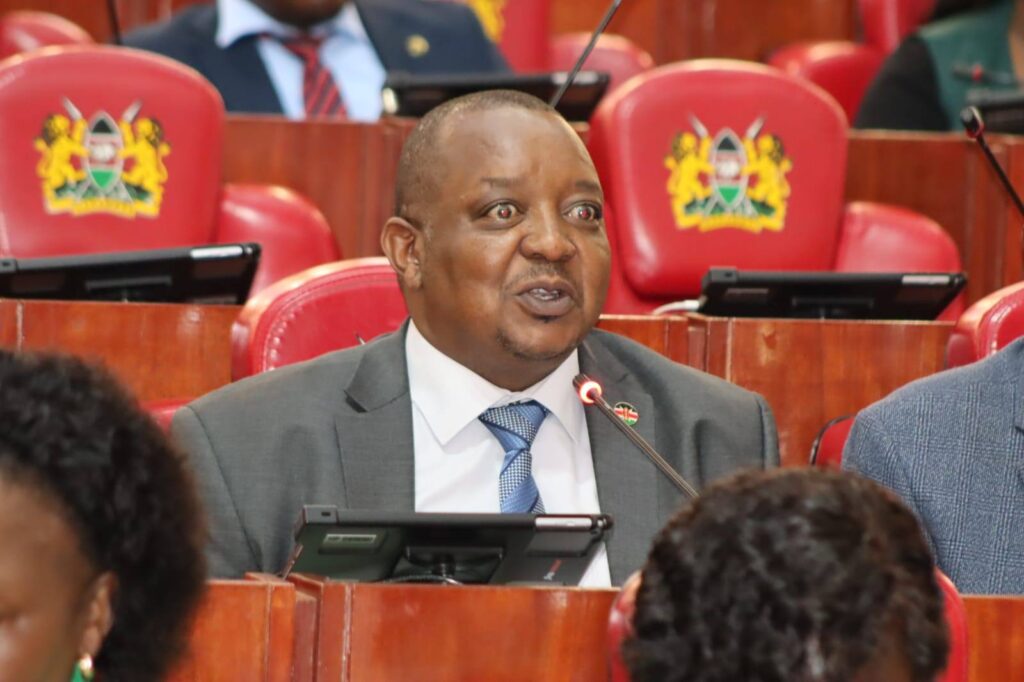
Hon. Clive Gesiro criticized the prioritization of new infrastructure over critical student support programmes. “We have stalled projects, yet we are still funding new ones. Why are we putting money into infrastructure instead of supporting HELB or exploring partnerships with the Housing Department to build hostels?” he posed.
The Higher Education Loans Board (HELB) remains severely underfunded, with a cumulative deficit of Sh43.6 billion, leaving over 453,000 eligible students without financial support in the current financial year.
Hon. Dick Maungu echoed the concern, warning that such allocations may result in unutilised funds. “We are barely two months to the end of the financial year. This money cannot be absorbed. Is it a genuine project or a disguised pending bill?” he queried.
The Committee further scrutinized funding to private universities, where a historical deficit of Sh60.28 billion has accumulated under the Differentiated Unit Cost model.
Hon. Makilap demanded a clear strategy to address the debt burden. “What concrete plans do you have to ensure we dispose of this escalating debt in private universities?” he asked.
On policy direction, Hon. Nabii Nabwera questioned the continued placement of government-sponsored students in private institutions despite underutilized capacity in public universities.
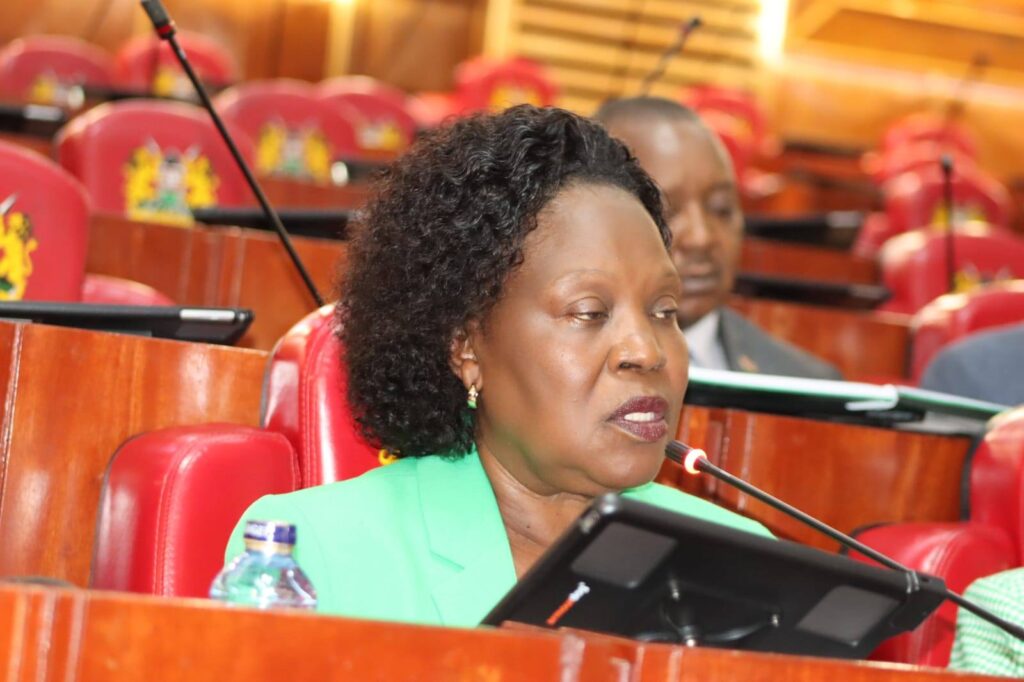
In response, PS Inyangala stated that the government had halted new placements to private universities but clarified that students already enrolled remain eligible for loans.
“We have stopped sending students to private universities. However, those already there can still apply for HELB support,” she said.
The Committee also flagged inconsistencies in budget documents, with Hon. Gesiro citing abrupt changes in pending bill figures for Kisii University, raising concerns over data integrity.
The Committee on Education further demanded a verified list of pending bills and clearer justification for supplementary allocations.
By Anthony Solly