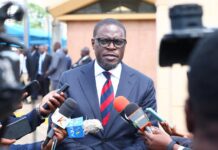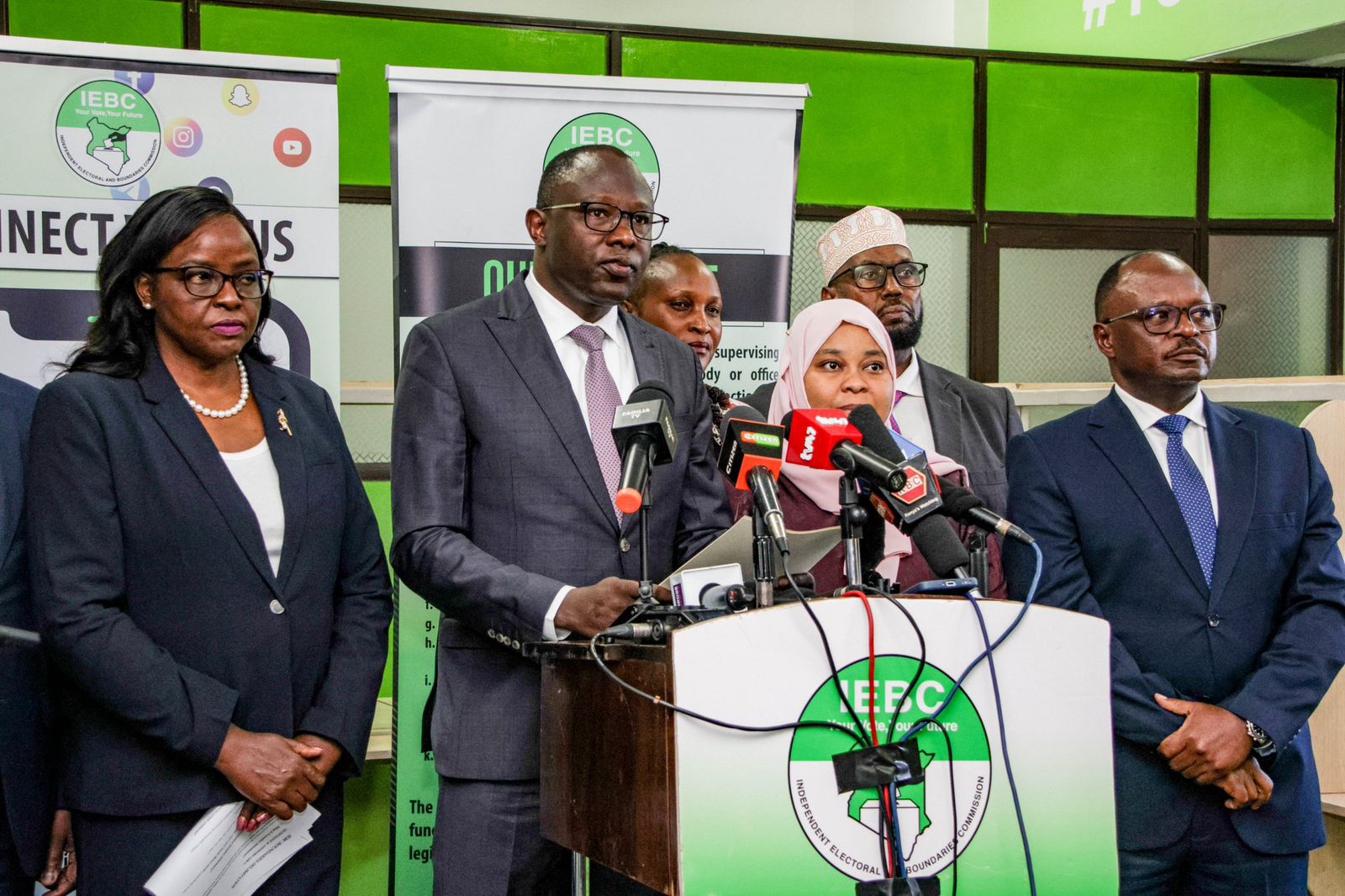
The Independent Electoral and Boundaries Commission (IEBC) has raised alarm over a significant funding shortfall that could affect preparations for Kenya’s next General Election, revealing a deficit of approximately KSh20 billion required to conduct the polls. IEBC Chairperson Erastus Ethekon said the commission will formally seek additional funding from the National Treasury, warning that timely financial support is critical to safeguarding the integrity and credibility of the electoral process.
Speaking amid renewed focus on electoral preparedness, Ethekon noted that elections are complex, resource-intensive national exercises that demand early planning, adequate staffing, technology deployment, voter education, and robust security arrangements. He stressed that without full funding, the commission risks delays or compromises in key operational areas that underpin free, fair, and credible elections.
The funding gap comes as the IEBC works to rebuild institutional capacity following a prolonged period of transition and leadership changes. Core activities requiring financing include voter registration and verification, procurement and testing of election technology, training of polling officials, voter education programs, boundary-related logistics, and dispute resolution mechanisms. Each of these components, the commission says, must be implemented well ahead of election day to avoid last-minute crises.
Ethekon emphasized that elections are not a one-day event but a multi-year process, arguing that delayed or piecemeal funding often increases costs and heightens the risk of logistical failures. He said the commission will engage the Treasury and Parliament to ensure that election financing is treated as a national priority rather than a discretionary expenditure.
The announcement has reignited debate over the state’s preparedness to finance democratic processes at a time of fiscal strain. Kenya is grappling with budgetary pressures, rising public debt, and competing demands from critical sectors such as health, education, and infrastructure. Analysts warn that underfunding the electoral body could have far-reaching political consequences, including eroding public confidence and fuelling disputes over the legitimacy of election outcomes.
Civil society groups and governance experts have long argued that predictable and adequate funding for the IEBC is essential to electoral stability. Past elections have shown that resource constraints can lead to rushed procurement, legal challenges, and operational weaknesses that overshadow the voting process itself. With political temperatures already beginning to rise, stakeholders fear that financial uncertainty could become a flashpoint in an already polarized environment.
The IEBC chair also underscored the need for transparency and accountability in how election funds are allocated and spent, acknowledging public concern over the high cost of elections. He said the commission is committed to prudent use of resources and continuous review of its operations to ensure value for money while maintaining international standards.
As consultations with the National Treasury loom, the funding request places the spotlight on the government’s commitment to democratic governance. Whether the KSh20 billion gap will be bridged in time may determine not only the efficiency of election preparations but also the broader credibility of Kenya’s next General Election.