By Peter John
The Energy and Petroleum Regulatory Authority (EPRA) has issued a stern warning to oil marketing companies against hoarding petroleum products and inflating wholesale prices, following reports of an artificial fuel shortage across the country.
In a statement addressed to chief executives of oil firms, Acting Director General Dr. Joseph Oketch sought to calm public anxiety, assuring Kenyans that the country has adequate fuel stocks despite growing queues at retail stations.
According to preliminary findings by the regulator, some companies have been deliberately withholding supplies from independent fuel dealers—commonly referred to as non-franchised retailers—in anticipation of a potential increase in pump prices.
EPRA described the move as illegal hoarding, cautioning that it undermines market stability and consumer access.
The authority warned that such actions violate Section 99(1)(k) of the Petroleum Act No. 2 of 2019, which criminalises the hoarding of petroleum products.
Offenders risk a fine of no less than Sh1 million, a jail term of at least one year, or both upon conviction.
EPRA also flagged cases of oil marketers charging above the set ex-depot or wholesale price caps. The regulator termed this practice an offence under Section 99(1)(n) of the same law, attracting far stiffer penalties.
Companies found culpable could face fines of at least Sh10 million, imprisonment for a minimum of five years, or both.
Beyond fines and jail terms, the authority warned it could take administrative action, including revoking operating licences of non-compliant firms.
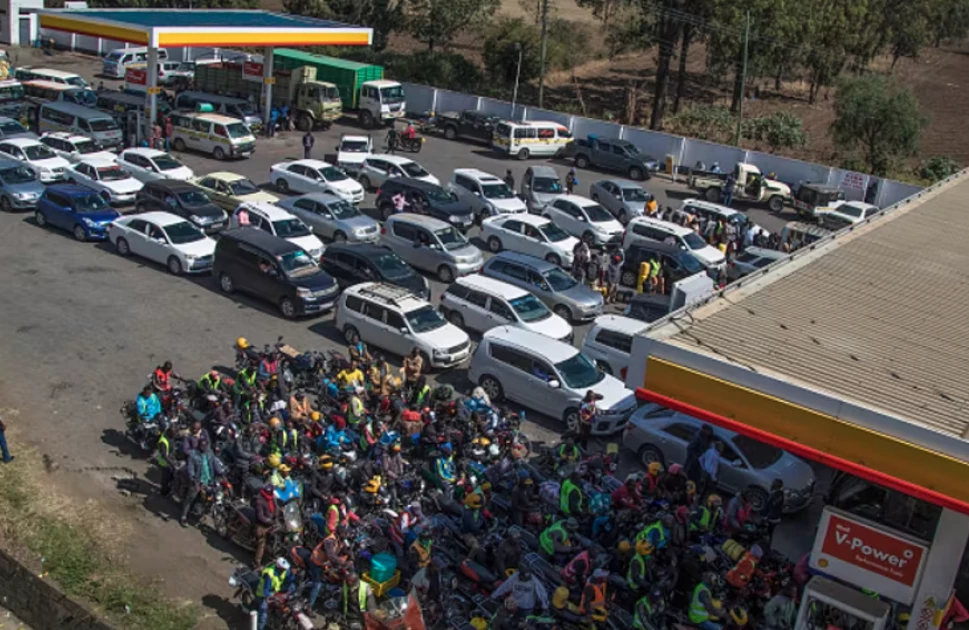
The warning comes at a time when motorists in several parts of the country are grappling with long queues at fuel stations, fuelling concerns over supply disruptions and looming price increases.
The situation has been partly attributed to global market jitters linked to escalating tensions in the Middle East involving Iran, the United States, and Israel.
To reassure the public, Treasury Cabinet Secretary John Mbadi recently disclosed that Kenya’s current fuel reserves remain stable in the short term.
The country holds stocks equivalent to 16 days for petrol, 19 days for diesel, and 49 days for jet fuel and kerosene.
Mbadi added that under the government-to-government fuel import arrangement, suppliers are sourcing products from alternative markets such as Europe and India, cushioning the country from supply shocks in conflict-affected regions.
As scrutiny intensifies, EPRA has signalled that it will closely monitor compliance in the sector to ensure steady supply and protect consumers from exploitation during the period of uncertainty. & Appropriations Committee on April 2, 2026.