With Russia’s invasion of Ukraine triggering a devastating energy crisis in Europe, the European Commission said on Wednesday that it would ask countries to approve a broad cap on the price of Russian gas.
It is also proposing measures like mandatory cuts in electricity use, a tax on oil and gas companies, and a tax on the price of electricity generated by renewables.
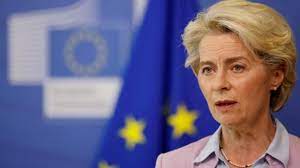
The moves, which were outlined by the Commission’s president, Ursula von der Leyen, set the stage for a period of intensive and urgent debate in the European Union to quickly tackle the unprecedented energy crisis engulfing the region as Russia cuts its supply of natural gas to many E.U. member states, sending the gas and its linked electricity markets into a sharp spiral.
Russia has turned the gas tap on and off to punish European countries, primarily Germany, for supporting Ukraine, blaming the widespread disruptions on technical problems and maintenance.
E.U. energy ministers will meet on Friday in Brussels to debate the bloc’s proposals. European governments from Germany to Greece are burning through billions of euros a month to subsidize consumers’ and businesses’ electricity bills, which are in some cases five times as high as last year.
Managing electricity prices is not only an economic and social goal, but also a political imperative in Europe. With memories of the “yellow vest” protests in France over energy prices still raw, and new movements bubbling up to denounce rises in the cost of living and, in some cases, continued support for Ukraine against Russia’s invasion, European politicians have little choice but to take unorthodox and expensive measures to placate outraged consumers.
“We are facing an extraordinary situation because Russia is an unreliable supplier and is manipulating our energy markets,” Ms. von der Leyen said in a statement on Wednesday.