Written By Lisa Murimi
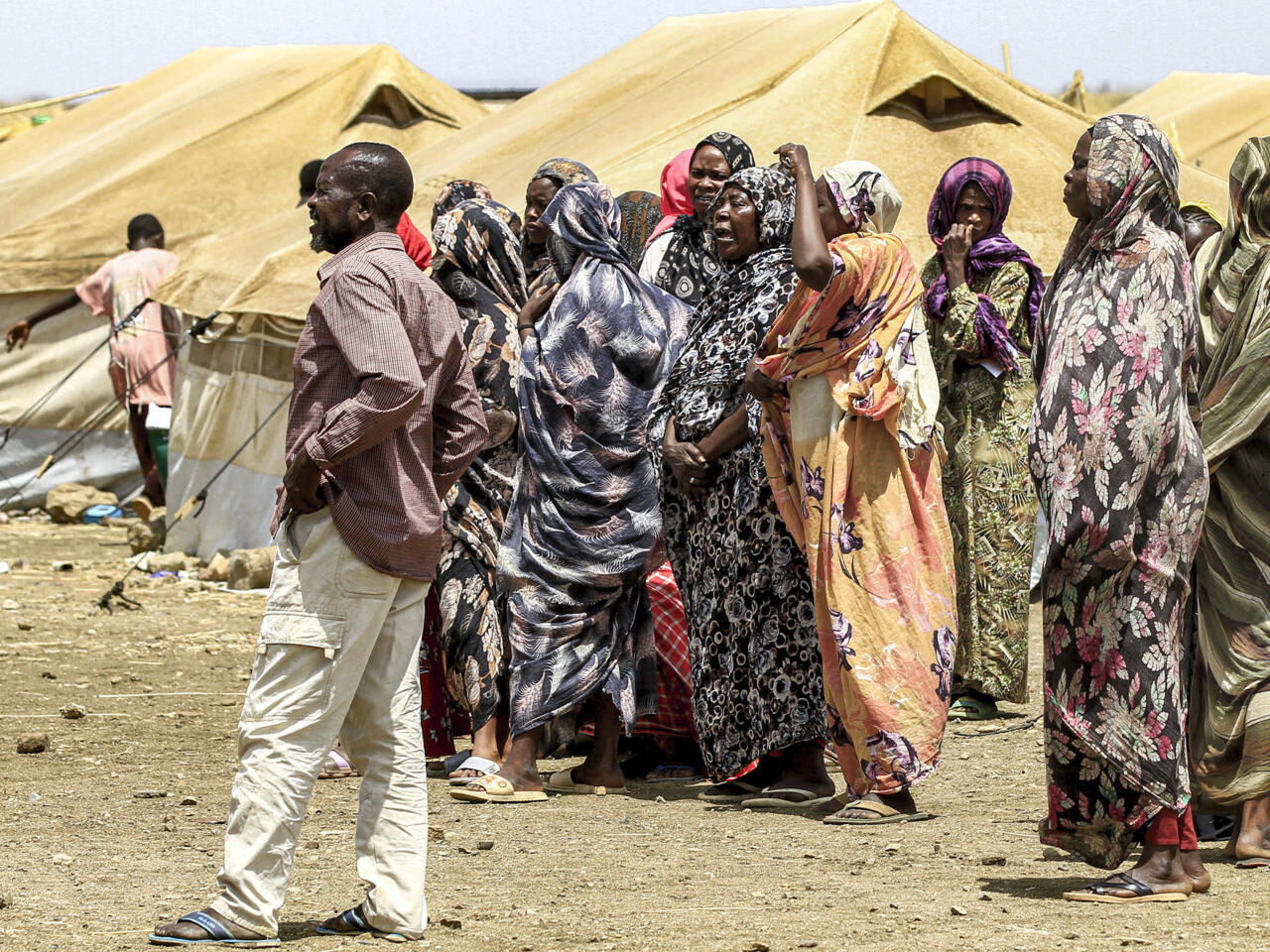
The devastating civil war in Sudan has pushed the Zamzam camp, housing around 500,000 displaced people near el-Fasher, into famine, according to a recent report by the Famine Review Committee (FRC).
The 16-month conflict, characterized by a violent power struggle between the army and the paramilitary Rapid Support Forces (RSF), has been compounded by severe restrictions on aid deliveries.
The FRC, linked to the Integrated Food Security Phase Classification (IPC), revealed that the scale of the crisis in Zamzam camp is severe.
With the camp’s population surging since April, famine conditions are now reported, marked by extreme food shortages, high malnutrition rates among children, and increased mortality from starvation and disease.
The RSF and the army’s ongoing clashes have exacerbated the humanitarian disaster, with 10 million people displaced nationwide.
Recent assessments from the IPC and the Famine Early Warning Systems Network (Fews Net) indicate that famine conditions may also be affecting nearby Abu Shouk and Al Salam camps, though data is inconclusive.
As US-mediated peace talks face uncertainty following an alleged assassination attempt on military leader Gen Abdel Fattah al-Burhan, the humanitarian situation remains dire.
Aid groups like Médecins Sans Frontières report that blockades and attacks on aid convoys are worsening conditions, with critical supplies, including food and medical aid, delayed or obstructed.
The conflict’s impact on agriculture has further threatened food security, with many farmers unable to plant crops.
The dire circumstances in Zamzam and other camps reflect only the “tip of the iceberg,” according to Barrett Alexander from Mercy Corps, highlighting the urgent need for humanitarian intervention and peace efforts.