LONDON,
In a labour market where artificial intelligence is quickly transforming and sometimes replacing jobs, student Maryna Yaroshenko wanted to find a future-proof career that offered long-term stability.
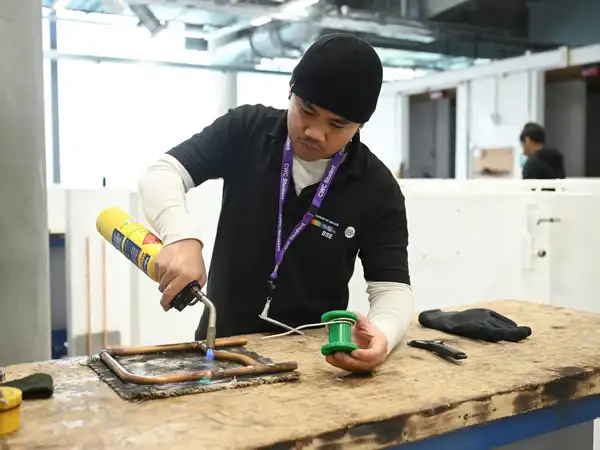
Like a growing number of young people in Britain and beyond, 18-year-old Yaroshenko opted for a skilled trade and is now training to become a plumber.
White-collar jobs are viewed as more vulnerable to disruption by AI and automation than manual labour. In Britain, one in six employers expect the use of AI tools to allow them to reduce their headcount in the next 12 months, according to a survey last month conducted by the Chartered Institute of Personnel and Development, a professional human resources body.
Yaroshenko sees AI as a useful tool, but not one that could replace the hands-on nature of plumbing, which many shy away from due to its physical demands and a lingering stigma around trades such as electrical work, carpentry, and welding.
By James Kisoo