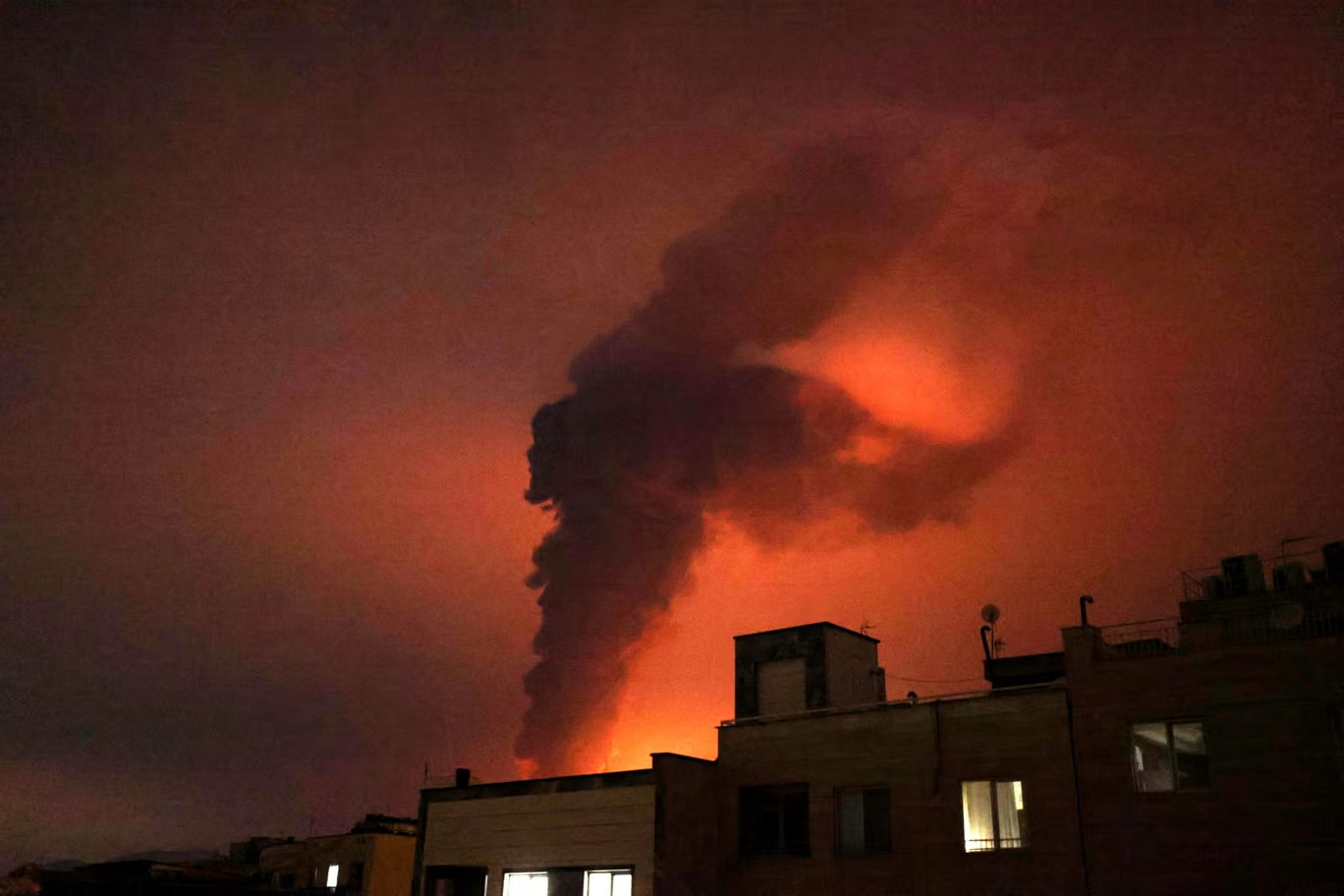
Fighting between Thai and Cambodian forces continued early Saturday, just hours after U.S. President Donald Trump announced the two nations had agreed to a ceasefire.
Trump had proclaimed on social media Friday night that, after speaking with both prime ministers, the two sides agreed to “cease shooting effective this evening” and return to an October peace agreement signed in his presence. “Both countries are ready for peace,” he wrote.
However, Thai Prime Minister Anutin Charnvirakul quickly countered that a ceasefire would only be possible after Cambodia fully withdrew its forces and cleared landmines from the border. “They must show us first,” Anutin stated, adding that Thailand “will continue to perform military actions until we feel no more harm and threats to our land and people.” Shelling and Thai advances continued overnight.
Cambodia’s defense ministry reported further Thai airstrikes on Saturday, alleging that F-16 fighter jets dropped seven bombs on multiple targets. Thailand confirmed that clashes were ongoing.
The renewed violence has killed at least 21 people and forced some 700,000 civilians to evacuate on both sides of the border. The conflict escalated earlier this week after Thailand launched airstrikes in response to a skirmish that injured two of its soldiers, prompting Cambodian rocket barrages.
This latest flare-up underscores the fragility of a truce first brokered by Trump and Malaysian Prime Minister Anwar Ibrahim in July, which was formalized in October. Both sides have repeatedly accused each other of violating that agreement, with Thailand alleging Cambodia laid new landmines—a charge Cambodia denies, attributing the explosives to its civil war in the 1980s.
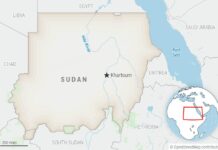
The core dispute traces back more than a century to a border drawn by French colonial cartographers in 1907, leaving a contentious 800-kilometer frontier that continues to ignite periodic—and now increasingly deadly—confrontations.
By James Kisoo