







By Andrew Kariuki
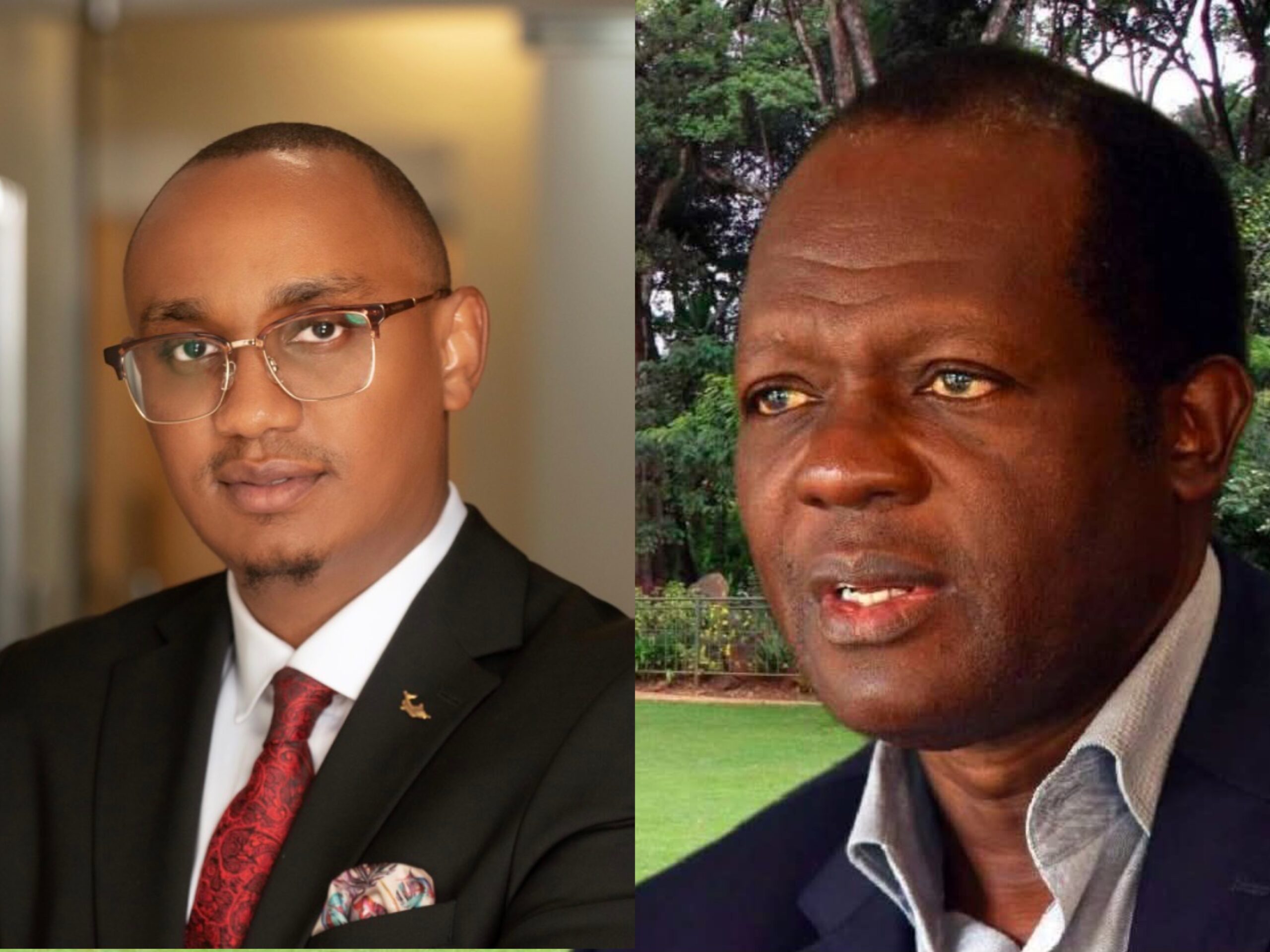
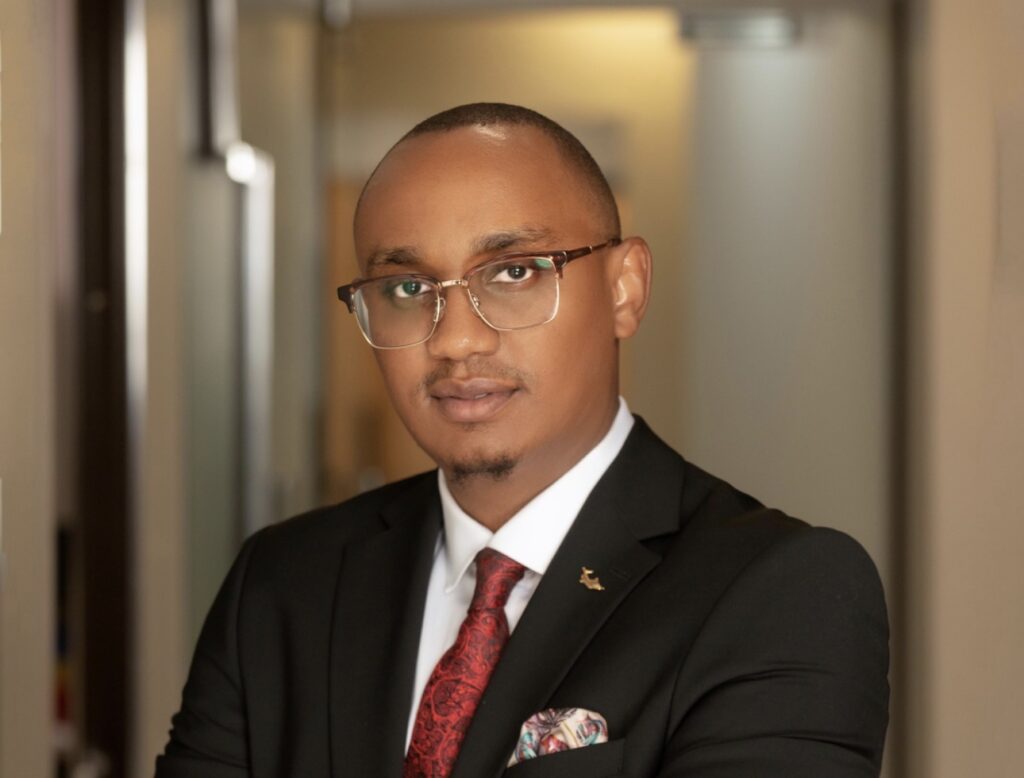
A constitutional petition filed at the Milimani High Court has revealed claims that former Cabinet Secretary Raphael Tuju sought legal assistance from advocate Joseph Kimani Wachira before events that led to the lawyer’s arrest over alleged bribery.
In court documents, Wachira argues that his arrest was unlawful and part of a premeditated entrapment scheme.
According to his supporting affidavit, Wachira states that his interaction with Tuju began in February 2026 when he was approached by Okiri Thomas Awili, a person known to him through previous legal engagements. Awili requested him to meet Tuju in relation to a potential legal brief concerning matters before the High Court’s Commercial and Tax Division.
He states that the initial meeting was introductory and did not result in any formal engagement. Wachira states that he was only asked to familiarise himself with ongoing disputes involving Tuju’s properties, after which he reviewed relevant rulings in preparation for possible instructions.
Wachira further states that during a subsequent meeting on February 22, 2026, Tuju declined to formally retain him, citing a favourable High Court ruling in MILIMANI HCCOMM/E636/2024 and indicating that further legal representation was unnecessary. He maintains that he was never instructed or placed on record as counsel for the 1st Respondent.
According to the affidavit, there was no further interaction until March 9, 2026, when he was urgently requested to attend a meeting following a ruling that was adverse to Tuju’s interests. The meeting was to discuss possible appellate steps, including filing an appeal and seeking a stay of execution.
The meeting took place at Entim Sidai Wellness Sanctuary in Karen, where the events leading to his arrest occurred.
Wachira states that shortly after the meeting began, Tuju placed Ksh 1,000,000 in cash on the table without any prior discussion or request. He maintains that the money was unsolicited and not connected to any agreement or demand on his part.
He further states that he did not take the money and briefly stepped away from the meeting, at which point officers from the Ethics and Anti-Corruption Commission arrested him for allegedly soliciting a bribe.
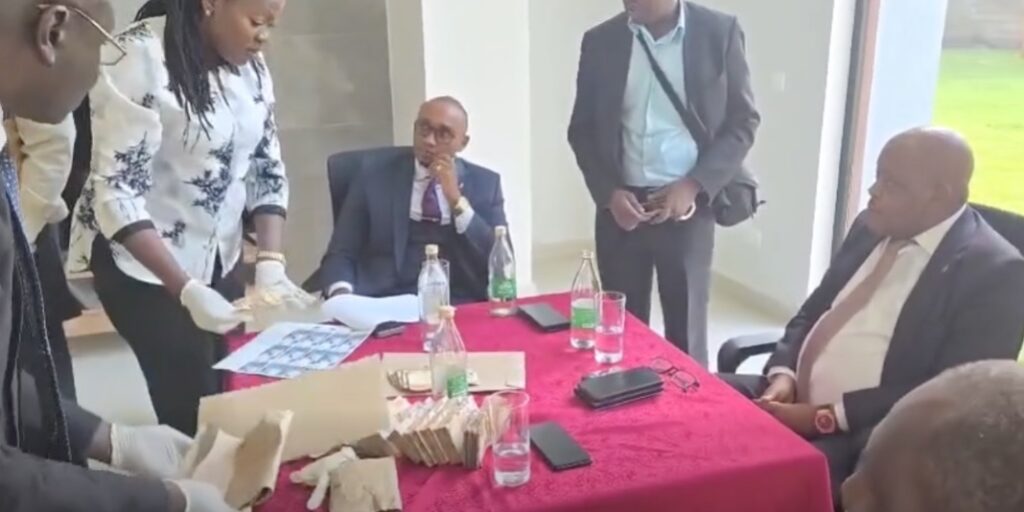
In his petition, Wachira contends that the circumstances of the arrest indicate a planned operation intended to implicate him in a non-existent offence.
He relies on a statutory declaration sworn by Okiri Thomas Awili on March 23, 2026, which he says supports his account that the meeting was initiated after an adverse court ruling and that the money was introduced without any solicitation.
Wachira also claims that there were attempts after the arrest to influence statements to implicate him, which he says were declined.
He further raises concern over the circulation of videos of his arrest, stating that they have portrayed him as a participant in bribery, thereby damaging his reputation before the conclusion of investigations.
The advocate maintains that there was no demand, solicitation or agreement to receive any benefit and that he had no connection with any judicial officer in relation to the alleged scheme.
He argues that the arrest and ongoing investigations lack a factual or legal basis and amount to an abuse of investigative and prosecutorial processes.
Wachira also cites violations of his constitutional rights, including the right to liberty, dignity, fair administrative action and fair hearing, stating that he was detained overnight and subjected to reputational harm.
In the matter, Wachira is represented by Wachira & Mumbi Advocates, while advocate Cecil Miller is associated with legal representation on the side of the respondents in related proceedings.
Through the petition, he is seeking declarations that his arrest, detention and ongoing investigations are unconstitutional and unlawful. He is also seeking orders to bar any further arrest, investigation or prosecution in connection with the events of March 9, 2026, as well as orders to quash any proceedings arising from the incident.
Additionally, he is seeking conservatory orders to restrain further publication of his name in connection with the allegations and compensation for damages, including reputational harm and disruption to his legal practice.
The matter is currently before the Constitutional and Human Rights Division of the High Court, where directions on the petition are expected.