By Peter John
A French-owned vessel has successfully passed through the Strait of Hormuz, marking a rare transit more than a month after the US-Israeli conflict with Iran disrupted activity along the critical waterway.
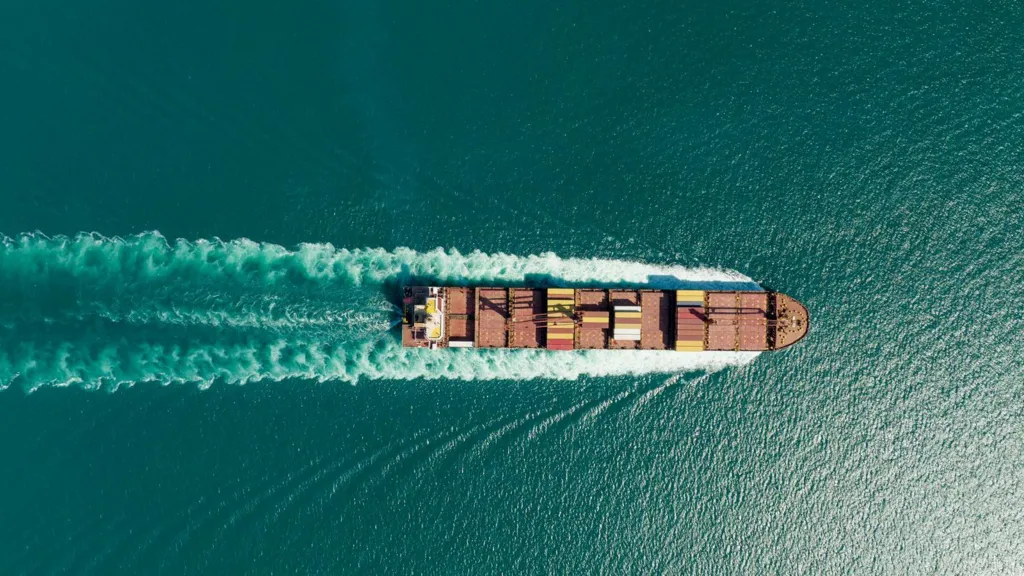
The Malta-flagged container ship, owned by French shipping giant CMA CGM, made the crossing on Friday, according to reports by BFM TV.
The company declined to comment, but shipping analysts from Kpler confirmed it is the first vessel owned by a major Western European firm to pass through the strait since the conflict escalated in late February.
The development signals a cautious, limited resumption of maritime movement in the region, although security risks remain high. Iran has maintained that “non-hostile vessels” can still use the waterway, but repeated incidents involving attacks on ships have forced most operators to halt or reroute voyages.
Tracking data showed the vessel sailed unusually close to the coast of Oman, avoiding Iranian waters, a route increasingly adopted by ships attempting the crossing.
It remains unclear what cargo the vessel was carrying.
A separate vessel operated by Mitsui O.S.K. Lines (MOL) also managed to exit the strait carrying natural gas, with the company confirming the safety of both the ship and its crew.
The Strait of Hormuz remains one of the world’s most vital energy corridors, accounting for roughly a fifth of global oil and liquefied natural gas shipments.
Since the onset of the conflict, traffic through the narrow passage has dropped by as much as 95 percent, with about 200 vessels initially stranded in nearby waters.
Although limited movement has resumed, only a handful of ships—around five to six per day—are currently making the passage, far below normal levels.
The slowdown has contributed to rising global oil prices, fuelling concerns about inflation and energy security.
US President Donald Trump has suggested that Washington could move to reopen the strait, though he has also voiced frustration at the lack of support from allies.
While approximately 100 vessels had managed to pass through the strait by late March, many were linked to regional countries such as Iran, Pakistan and India.
Analysts warn that despite these crossings, the situation remains fragile, with shipping firms continuing to weigh the risks of operating in an increasingly volatile environment.