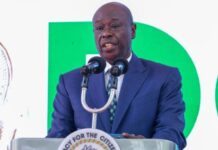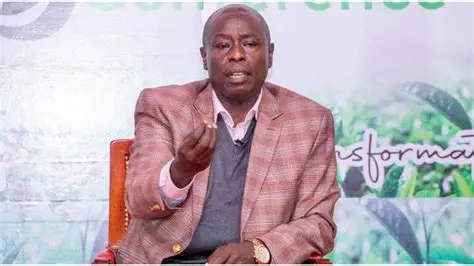
Rigathi Gachagua has made it clear that no amount of money will convince him to drop his fight against what he describes as an unconstitutional impeachment process.
The former Deputy President on Tuesday rejected the Ksh 50 million compensation awarded to him by the High Court, arguing that the ruling failed to resolve the constitutional concerns at the heart of his case.
Addressing journalists after the judgment, Gachagua said the case was never about seeking damages but about defending constitutional rights and ensuring that due process is respected by state institutions.
“The KSh50 million offered to me is an insult to my fundamental rights and freedom, and a mockery of the Constitution; we are not interested,” he said.
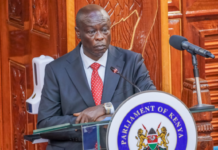
His reaction followed Monday’s decision by a three-judge bench that upheld his impeachment but simultaneously found that the Senate violated his right to a fair hearing during the proceedings that led to his removal from office.
The court found that senators acted unfairly when they declined a request to postpone the hearing despite evidence that Gachagua was unwell and receiving treatment. The judges concluded that the refusal denied him a reasonable opportunity to fully participate in the proceedings and defend himself.
However, while acknowledging that his rights had been infringed, the judges ruled that the violation was not serious enough to invalidate the entire impeachment process. As a result, the court maintained that Parliament and the Senate acted within the law when removing him from office.
That finding has become the main source of Gachagua’s dissatisfaction.
According to the former Deputy President, the judgment sends a troubling message about the protection of constitutional rights. He questioned how a court could find that a person’s rights were violated during a process, yet still allow the outcome of that process to stand.
Gachagua argued that constitutional protections should not be treated as procedural technicalities that can be ignored and later compensated through monetary awards.
For months, the former Deputy President has maintained that his impeachment was politically motivated and carried out in a manner that disregarded the safeguards guaranteed under the Constitution. His petition challenged several aspects of the process, including the conduct of Parliament, the handling of evidence and the Senate’s decision to proceed with hearings despite his illness.
The High Court, however, dismissed most of those arguments and upheld the legality of the impeachment. The judges also affirmed the appointment of Deputy President Prof. Kithure Kindiki, effectively closing the chapter on attempts to reverse the leadership transition through the High Court.
Even so, Gachagua says the battle is far from over.
He announced that his legal team is preparing to move to the Court of Appeal, where he hopes to overturn key findings made by the High Court. The appeal is expected to focus heavily on the question of whether a process can remain valid after a court has already found that constitutional rights were violated during its execution.
Legal experts say the case could have far-reaching implications beyond Gachagua’s personal political future. The appeal is likely to test the standards that should apply during impeachment proceedings and clarify the extent to which constitutional violations can affect decisions made by Parliament and the Senate.
As the matter heads to the next legal stage, the former Deputy President insists his mission remains unchanged: to seek answers on what he views as a critical constitutional question rather than pursue financial compensation.