Written By Lisa Murimi
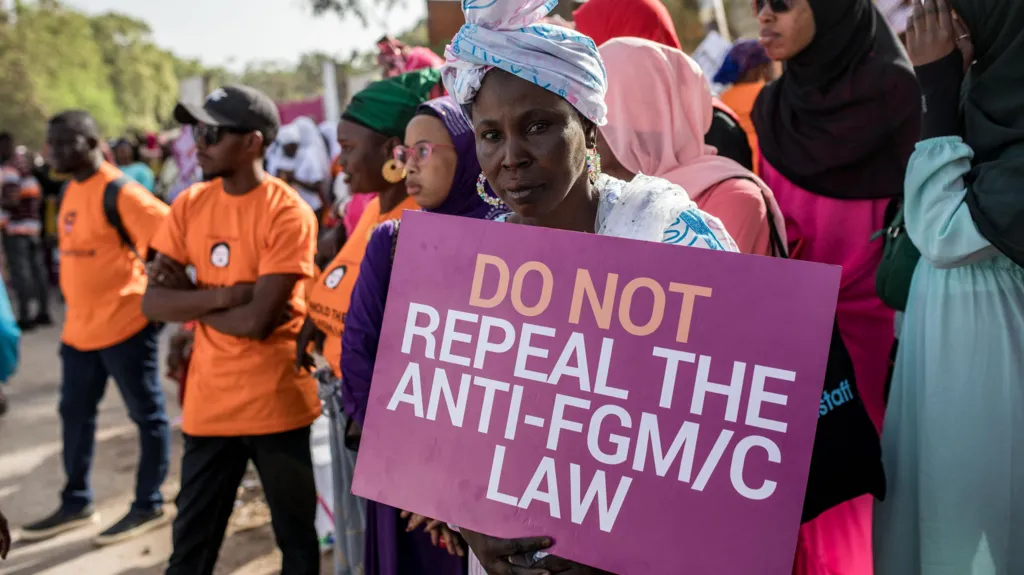
Gambia’s lawmakers have decisively rejected a bill seeking to overturn the 2015 ban on female genital mutilation (FGM).
Speaker of Parliament Fabakary Tombong Jatta announced that the majority of MPs voted against the bill even before its third and final reading, scheduled for later this month.
Human rights groups and the United Nations had urged MPs to block the bill, which was introduced in March following pressure from some Muslim clerics. The Gambia is among the ten countries with the highest rates of FGM, with 73% of women and girls aged 15 to 49 having undergone the procedure.
The draft law, proposed by Almameh Gibba, was rejected after MPs voted against all of its clauses. Speaker Jatta confirmed that the bill had been “rejected and the legislative process exhausted,” preventing it from moving to the third reading.
Initially approved by a majority of MPs when introduced in March, the bill had raised concerns that The Gambia could become the first country to overturn an FGM ban. The 2015 legislation imposed fines and jail terms of up to three years for perpetrators, and life sentences if a girl died due to the procedure.
FGM is banned in over 70 countries but persists, particularly in Muslim-majority nations like The Gambia. ActionAid Gambia’s women’s rights manager Binta Ceesay warned that lifting the ban would jeopardize progress in combating violence against women and girls.
“We as campaigners fought tooth and nail to bring about a ban and an end to FGM/C,” said Ceesay.
The United Nations reports that over 230 million girls and women globally have undergone FGM, a practice that remains a significant human rights issue.