Government spokesperson Isaac Mwaura has defended Kenya’s government-to-government (G-to-G) fuel procurement model, saying it has stabilized fuel supply by removing intermediaries and enabling direct imports from suppliers such as Saudi Aramco, ADNOC and ENOC.
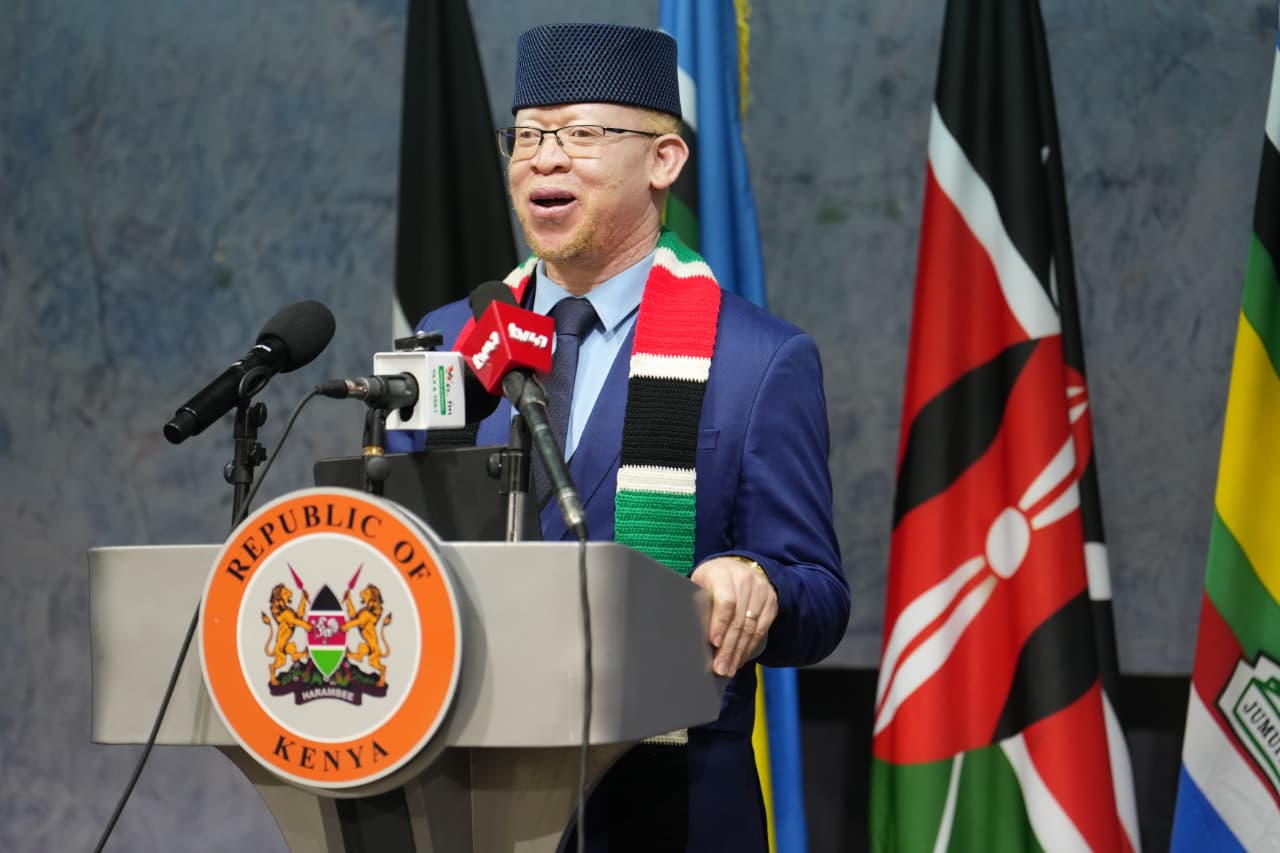
Speaking during a press briefing on Thursday, Mwaura said the G-to-G system was introduced after the country faced acute fuel shortages, dollar scarcity and price volatility in 2022.
He argued that the framework replaced a market dominated by spot buying, which he said had contributed to artificial shortages and unpredictable imports.
“The G to G arrangement was designed to eliminate intermediaries by dealing directly with oil companies from source countries,” he said.
He added that structured import schedules and advance price negotiations have improved predictability, with imports now planned every two months.
According to him, this has helped stabilize supply chains and reduce disruption risks linked to global oil shocks.
“Through this arrangement, Kenya has enjoyed a steady oil supply for the past three years,” Mwaura said.
The spokesperson further claimed that the model has improved macroeconomic stability, citing a stronger shilling, lower inflation and improved foreign exchange reserves.
He also linked recent price fluctuations to external geopolitical tensions, including disruptions affecting global oil supply chains.
However, opposition leaders have continued to question the effectiveness and transparency of the G-to-G arrangement.
In a statement on Wednesday, United Opposition leaders called for the immediate cancellation of government-to-government (G-to-G) fuel procurement framework, accusing it of fueling corruption and driving up pump prices.
They argued that the system has been captured by private interests and distorted through opaque international deals, worsening the cost of living for ordinary Kenyans.
“If there is no action taken… we shall announce further measures to the people of Kenya to force William Ruto and the National Assembly to act in the best interest of the people of Kenya,” the leaders warned, demanding sweeping policy reversals including scrapping the G-to-G arrangement and related petroleum levies.
The government, however, insists the G-to-G model has reduced market manipulation, stabilized supply and improved pricing predictability compared to the previous open tender system.
Mwaura said Kenya now benchmarks its system internationally, noting that fuel imports are scheduled and pre-negotiated to avoid sudden shocks.
He further stated that while global oil disruptions continue to affect landing costs, the government has introduced mitigation measures including a Sh6.2 billion fuel stabilization fund, VAT reduction from 16% to 8% for a limited period, and ongoing fuel subsidies to cushion consumers.
Despite the criticism, Mwaura maintained that the government remains committed to the G-to-G framework, saying it is part of a broader strategy to ensure energy security and economic stability amid global uncertainty.