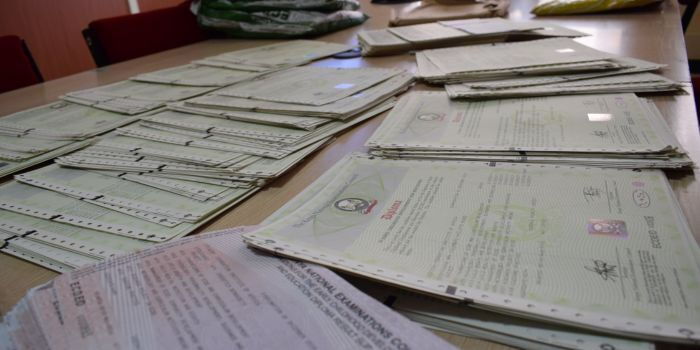
The Ethics and Anti-Corruption Commission (EACC) has established a new body to verify academic certificates in a bid to curb the use of forged qualifications in the country’s public and private sectors.
The announcement was made on 25 February by EACC Chief Executive Officer Abdi Mohamud during a media interview.
He said the organisation will authenticate academic documents and oversee curriculum development to strengthen integrity within the education system.
Mohamud stated that addressing corruption requires intervention at its source.
He said the new body would focus on verifying certificates and supervising curriculum standards, adding that students, educators and professionals all share responsibility for upholding academic integrity.
The initiative follows an increase in cases involving falsified academic credentials among job applicants and public officials in Kenya.
In recent years, several senior figures in national and county administrations have been removed from office after their qualifications were found to be invalid.
The EACC has identified certificate forgery as a growing issue, particularly in recruitment for public service roles.
Under the new framework, the agency will work with universities, colleges, examination boards and professional regulators to create a centralised verification system.
Employers in both the public and private sectors will be able to confirm the authenticity of academic certificates before making hiring or promotion decisions.
In addition to verification, the organisation will help ensure that academic programmes meet national standards and reflect labour market requirements.