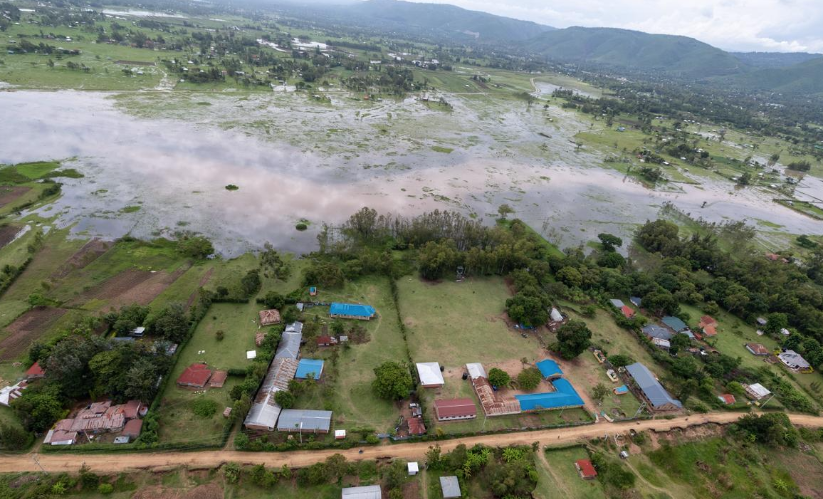
The Ministry of Interior has said the flooding situation in Kano Plains is gradually stabilising, even as significant challenges persist in several affected areas.
In a statement, the ministry noted that while earlier fears painted a dire picture, current assessments indicate a more measured situation on the ground.
However, large sections of the plains remain submerged, particularly in low-lying zones where homesteads, farms and access roads are still affected by standing water.
“The flooding situation in Kano Plains, while requiring continued monitoring, presents a more measured picture than initial assessments suggested,” the ministry said. “Significant portions of the plains remain inundated, with low-lying homesteads, farms, and access routes still affected.”
The ministry acknowledged that displacement remains a reality in the hardest-hit pockets, with many families yet to return to their homes. Livelihoods, especially those of smallholder farmers, have also taken a hit due to the seasonal floods.
“Displacement in the worst-affected pockets persists, and livelihoods, particularly for smallholder farmers, continue to bear the burden of the seasonal inundation,” the statement added.
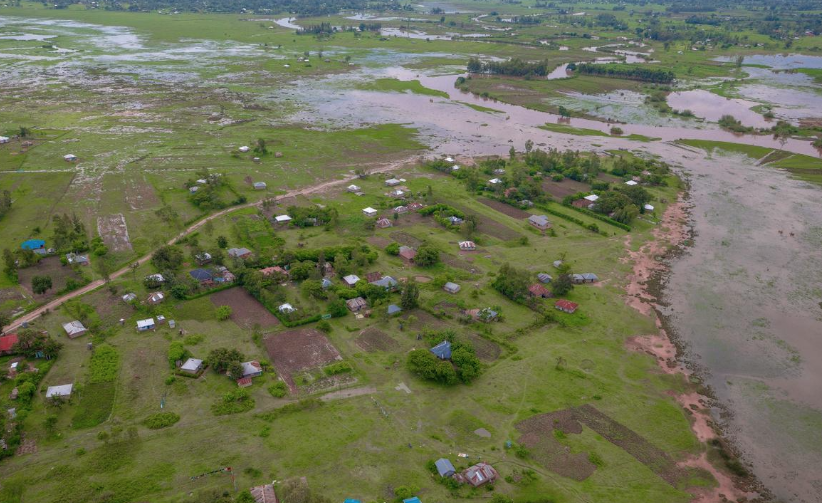
Public health concerns have also emerged as a key issue, with officials warning of risks linked to contaminated water sources and poor sanitation in flooded areas.
“Public health risks associated with contaminated water sources and compromised sanitation remain a concern,” the Ministry said, adding that government teams are actively working to mitigate potential outbreaks.
The Ministry highlighted the role of National Government Administrative Officers (NGAOs), who have been deployed across affected regions to coordinate response efforts, conduct assessments, and facilitate the distribution of relief supplies.
“The presence of National Government Administrative Officers on the ground ensures that affected households are being reached with assessments and relief support where needed,” the statement read.
Amid the challenges, the Ministry pointed to signs of resilience among local communities, particularly along the banks of the Nyando River.
Residents in some areas have taken it upon themselves to construct makeshift drainage channels aimed at diverting floodwaters away from homes and farms.
“In several areas along the Nyando River banks, residents have independently constructed localised drainage channels to redirect floodwaters and protect their homesteads and farmland,” the Ministry noted.
According to the Ministry, such efforts, combined with ongoing government interventions, have contributed to the gradual stabilisation of the situation in parts of the plains.
“The overall situation, while not without challenges, is stabilising in these areas,” the statement concluded.
Authorities have urged residents to remain vigilant as monitoring continues, warning that fluctuating water levels and potential rainfall could still pose risks in the coming days.