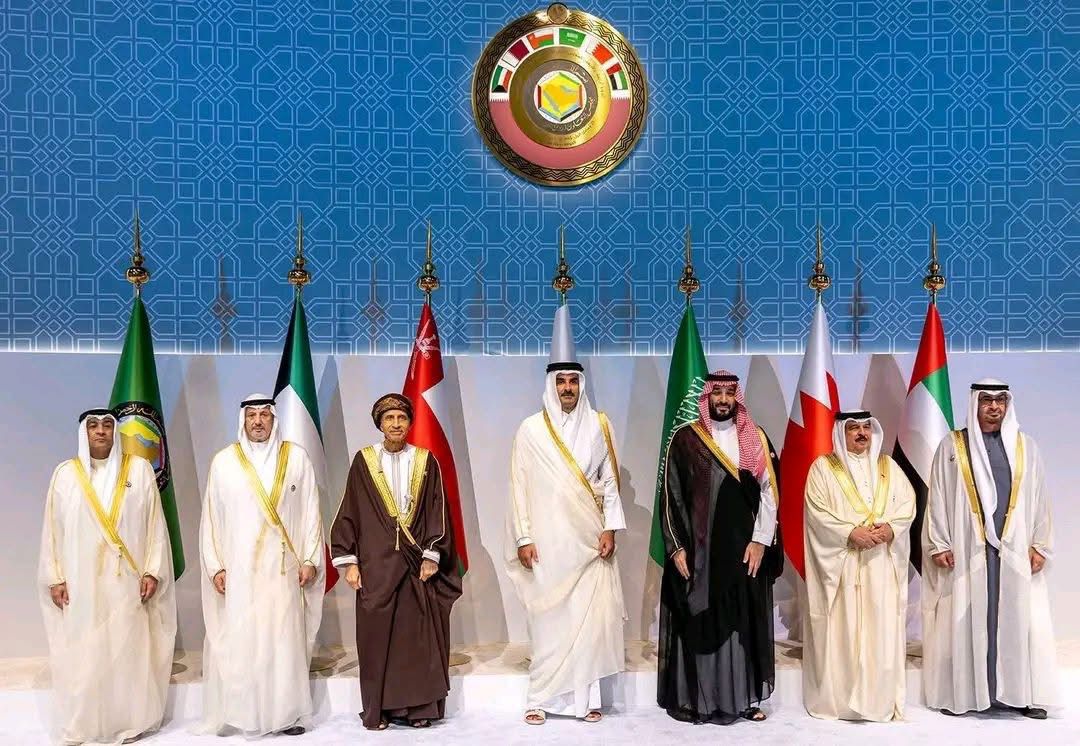
Saudi Arabia, Qatar, and the United Arab Emirates (UAE) have issued a coordinated diplomatic stance that their nations will not allow their airspace, land territory, maritime waters, or logistical support to be used for any military attack against Iran, a declaration with significant implications for regional security and global geopolitics. This firm position comes as tensions escalate in the Middle East, particularly with an expanding U.S. military presence and Tehran’s warnings that any strike on its soil will be treated as an act of total war.
The UAE’s Ministry of Foreign Affairs, in a statement released on January 26, 2026, made clear that it will not permit its airspace, land territory or territorial waters to be used for hostile military operations targeting Iran, and it has also refused to provide any logistical support for such actions. Instead, the UAE reiterated its commitment to dialogue, de-escalation, respect for international law and state sovereignty as the best means of addressing ongoing crises. 
This stance was echoed earlier in January when Saudi Arabia communicated directly to Tehran that its territory and airspace will not be used as a platform for military action against Iran, underscoring Riyadh’s efforts to temper regional conflict and reduce the risk of wider escalation. Qatar has similarly signalled that it will not allow its airspace to be used for attacks on Iran, maintaining a diplomatic posture focused on stability and international law.
The declarations highlight a deliberate shift by Gulf Arab states away from becoming entangled in potential military confrontations, especially those involving Iran and external powers. Analysts view these policy choices as part of a broader Gulf strategy to balance relations with global powers, safeguard economic interests, and prevent spillover of conflict on their soil or seas. By rejecting the use of their territory for an attack on Iran, these states are signalling a preference for diplomacy and restraint over militarisation and confrontation — even as external military forces, including the U.S. Navy’s USS Abraham Lincoln strike group, reinforce their presence in the region.
The timing of these announcements is critical. U.S. officials have bolstered their military assets in the Middle East amid heightened tensions with Iran, raising concerns among Gulf states about becoming staging grounds for conflict. Tehran has responded to the buildup by placing its forces on high alert and issuing stern warnings that any attack — regardless of scale — will be met with severe retaliation. Given this backdrop, the declarations from Saudi Arabia, Qatar and the UAE reflect a shared desire across the Gulf Cooperation Council (GCC) to avoid further escalation and preserve regional stability.
These developments are likely to influence the strategic calculations of global powers considering military options against Iran. By closing off key logistical and territorial avenues for potential operations, Gulf states are reducing the feasibility of swift strikes while encouraging diplomatic engagement. Their collective position also serves as a reminder that Middle Eastern states, even amid complex alliances, retain agency in shaping the regional security environment.
As tensions continue to simmer, the Gulf’s unified refusal to host or support military action against Iran underscores both a commitment to neutrality and a pragmatic recognition of the risks posed by direct involvement in a broader conflict — a stance that may prove pivotal in steering the region away from full-scale confrontation.