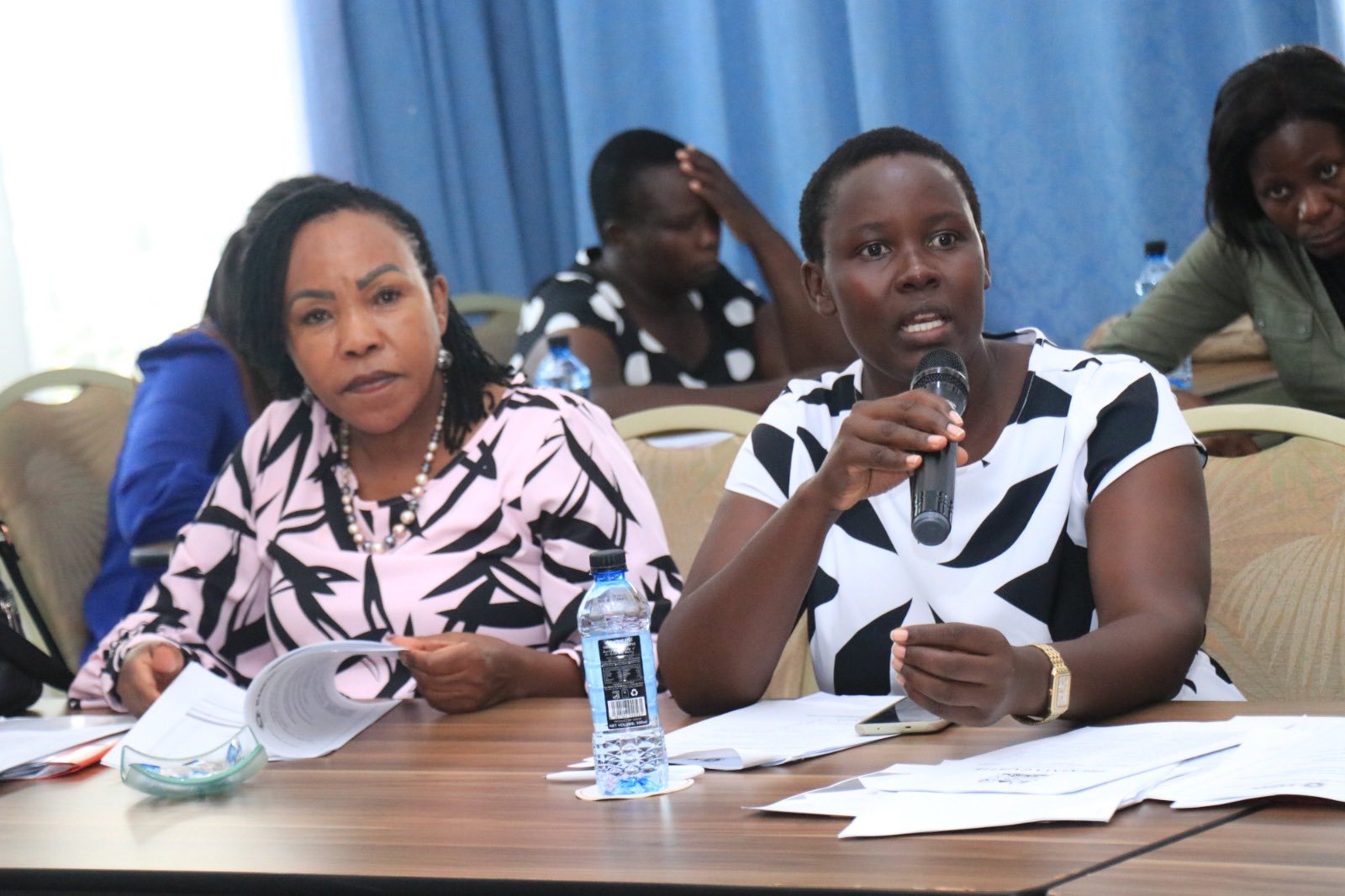
Seme MP Hon. (Dr.) James Nyikal, who chairs National Assembly’s Departmental Committee on Health, has raised alarm over funding shortfalls and low premium contributions threatening the sustainability of the Social Health Authority (SHA) even as the government pushes ahead with health sector reforms.
Speaking in Mombasa where he led the Committee’s engagement with Medical Services Principal Secretary Dr. Ouma Oluga as well as officials from the Social Health Authority (SHA), Dr. Nyikal outlined a range of structural and operational challenges facing the framework.
“The revenue that the Social Health Authority collects for the three funds is really not enough to meet its expenses. As things stand now, they are barely getting what they need to run,” He said.

Hon. Nyikal noted that the imbalance between revenue and expenditure is largely driven by low participation from the informal sector which is expected to contribute the bulk of funding under the Social Health Insurance Fund (SHIF).
“Those in formal employment remit their contributions directly through employers, and that has remained the main source of income. But we expect a larger portion to come from the informal sector, and this is where the challenge lies,” Hon. Nyikal said.
He revealed that while about 29 million Kenyans have registered under SHA, only around five million are actively paying premiums, a gap he warned could undermine the scheme.

To address this, SHA is exploring partnerships with savings groups, SACCOs and microfinance institutions to enable informal workers to pay premiums gradually.
The lawmaker also highlighted the critical role of the Primary Health Care Fund, which is financed through the exchequer and supports services at lower-level facilities.
“This fund is extremely important because it caters for services at Level Two, Level Three and outpatient care in higher facilities. If we strengthen it, we reduce pressure on higher-level hospitals,” said Dr. Nyikal.
Dr. Nyikal further disclosed that Parliament had allocated Sh13 billion to the fund last year, up from Sh8 billion previously, with an additional Sh2 billion proposed in the current supplementary budget.
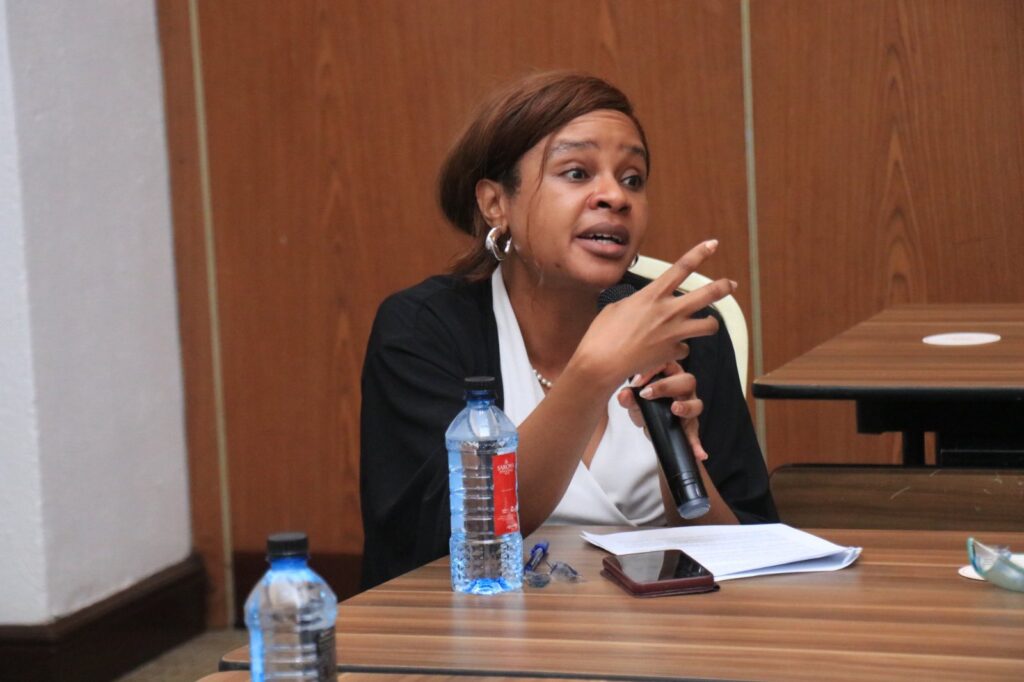
Beyond funding concerns, the committee flagged “adverse selection” where individuals only enroll when sick as another major risk to the system.
He also pointed to weaknesses in the benefits package, saying it is not fully aligned with the cost of care or comprehensive enough to meet patient needs.
On historical debts inherited from the defunct National Hospital Insurance Fund (NHIF), Nyikal said the committee would push for Sh5.3 billion to settle pending claims below Sh10 million, noting that unpaid debts had forced some health facilities to shut down.
“Many facilities have closed or scaled down operations because of these debts. We will recommend that this money be made available so providers can be paid,” he said.
Dr. Nyikal further acknowledged ongoing challenges with claims processing systems, which have led to delays and disputes, but noted improvements are underway through new digital infrastructure.
He emphasized that while the SHA model is conceptually sound, its success hinges on effective implementation and public trust.
“The design and concept are good. The problem we are going through is one of implementation. It requires cooperation from management, providers and the public,” he said.
The Health committee is also reviewing the proposed Patient Safety Bill, which seeks to separate the regulation of healthcare professionals from that of health facilities, a move Nyikal described as complex and requiring further refinement.
Additionally, lawmakers are considering a Harm Reduction Bill targeting people struggling with drug addiction, as part of broader efforts to strengthen public health interventions.
By Anthony Solly