








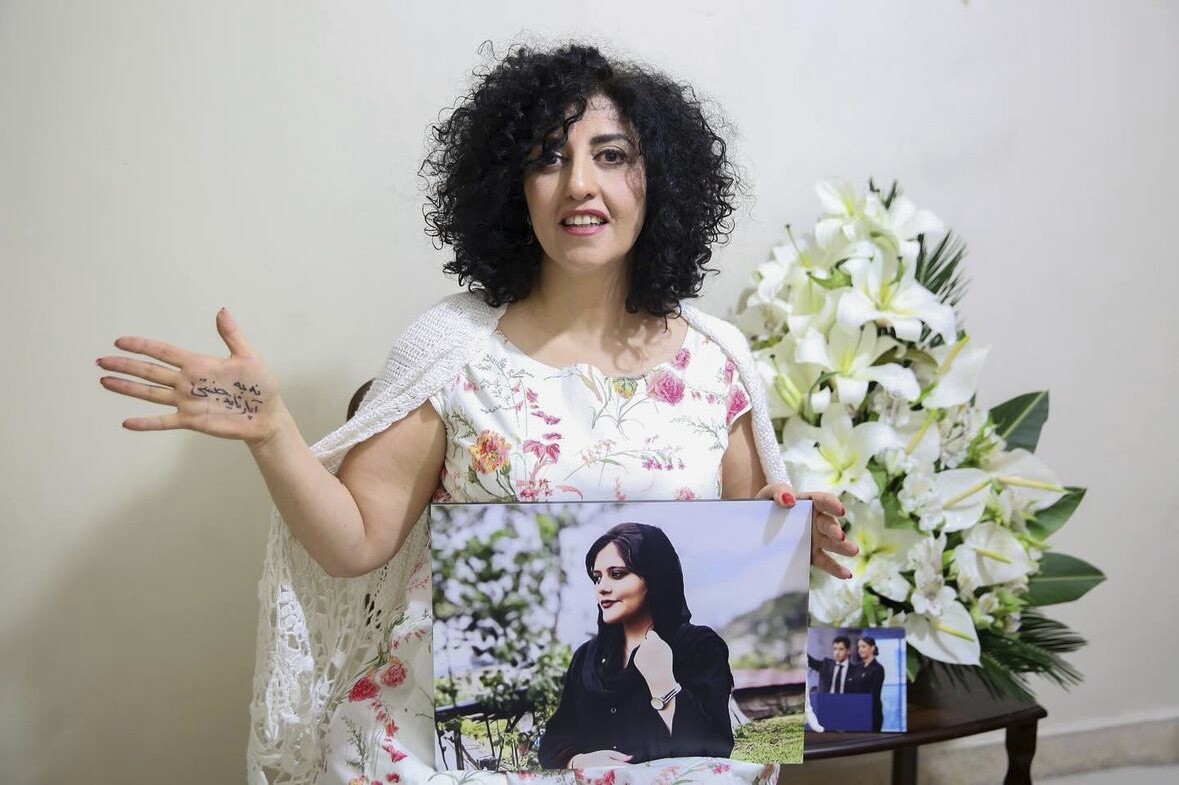
Concerns over the health of imprisoned Iranian Nobel Peace Prize laureate Narges Mohammadi have intensified, with family reports confirming she required hospital treatment twice following injuries sustained during her arrest earlier this month.
Mohammadi was detained on 12 December 2025 while attending a memorial in Tehran for a victim of the 2022 protests. Security forces allegedly used batons, causing injuries necessitating transfers from Evin Prison for care.
Her family issued a statement saying: “Her condition remains worrying after the brutal treatment.” Communication restrictions have limited direct updates, heightening anxiety among supporters.
The Nobel Committee renewed appeals, with a spokesperson declaring: “We renew calls for her immediate release and proper medical care.” They emphasised her symbolic role in fighting oppression of women.
A human rights monitor described the case as illustrative, noting: “This is part of systematic mistreatment of political prisoners.” Mohammadi has endured repeated imprisonment for activism against the death penalty and for gender equality.
Iranian officials accuse her of propaganda and foreign collaboration, charges commonly levelled at dissidents. They insist the arrest was lawful and deny excessive force.
The episode occurs amid continued suppression three years after nationwide protests triggered by Mahsa Amini’s death in custody. Hundreds remain detained from that period.
Mohammadi’s 2023 prize highlighted Iran’s human rights struggles globally. Her ongoing detention despite health issues draws criticism of prison medical neglect.
International bodies and governments have increased calls for access and release. Previous temporary furloughs were revoked, suggesting punitive intent.
Critics abroad view the treatment as retaliation for her defiance, including prison speeches smuggled out.
As information emerges slowly, advocates fear further deterioration without independent examination. Pressure campaigns continue online and diplomatically.
Written by Were Kelly
Sources: Reuters, BBC News, Amnesty International.