By Andrew Kariuki
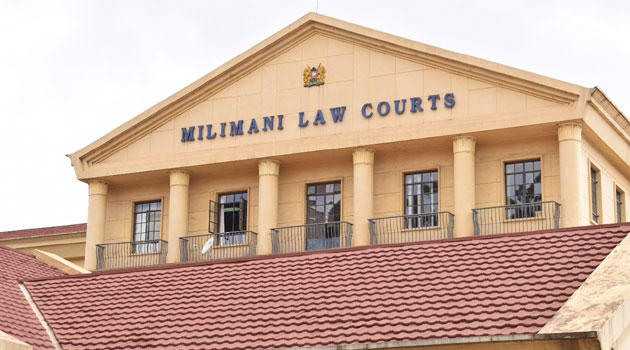
The High Court has declined to issue orders temporarily suspending the implementation of the National Transport and Safety Authority (NTSA) Instant Traffic Fines Management System, directing instead that the constitutional petition challenging the system be served to the respondents.
The case arises from a petition filed by Kennedy Maingi Mutwiri, who is seeking to block the rollout of the automated traffic enforcement system introduced by NTSA on March 9, 2026.
When the matter came before the Constitutional and Human Rights Division of the High Court in Nairobi, the court declined to grant the conservatory orders sought at this stage. Instead, the judge directed that the petition and accompanying application be served upon the National Transport and Safety Authority (NTSA) and the Attorney General, who have been named as respondents in the case.
The court further directed that the matter be mentioned on April 9, 2026, for further directions after the respondents have been served.
Mutwiri had moved to court seeking urgent orders to stop the implementation of the system, arguing that the automated traffic fines framework is unconstitutional and violates motorists’ rights.
In his petition filed through Jama Munene Kyalo Advocates LLP, Mutwiri contends that the system allows the Executive arm of government to exercise powers that constitutionally belong to the Judiciary.
According to court documents, the NTSA system uses traffic cameras to detect offences and automatically sends SMS notifications to motorists requiring them to pay fines within seven days.
Failure to pay the fines within the stipulated time attracts interest penalties, and motorists with outstanding fines may also be blocked from accessing NTSA digital services.
However, the petitioner argues that traffic offences are criminal in nature and must therefore be determined through the judicial process, where accused persons have an opportunity to defend themselves.
“The system bypasses the courts and allows the Executive to determine criminal liability,” the petition states.
Mutwiri further argues that the system violates Article 47 of the Constitution on fair administrative action and Article 50 on the right to a fair trial, including the presumption of innocence.
He also claims that the system undermines the doctrine of separation of powers by enabling an administrative body to impose penalties without judicial oversight.
The petitioner maintains that the system is fully automated and operates without human intervention, raising concerns about the absence of judicial discretion and the potential for errors.
In addition, the petition argues that the system ignores safeguards under Section 117 of the Traffic Act and the Traffic (Minor Offences) Rules, 2016, which outline the legal procedures for handling minor traffic offences.
Among the final orders sought in the petition are a declaration that the Instant Traffic Fines Management System is unconstitutional, an order of certiorari quashing the NTSA public notice introducing the system, and an order of prohibition barring the Authority from implementing it.
With the court now directing that the petition be served to the respondents, the matter will proceed to the next stage as the government prepares to respond to the constitutional challenge.
The case is expected to test the legality of automated traffic enforcement systems in Kenya and the extent to which administrative agencies can impose penalties without court proceedings.