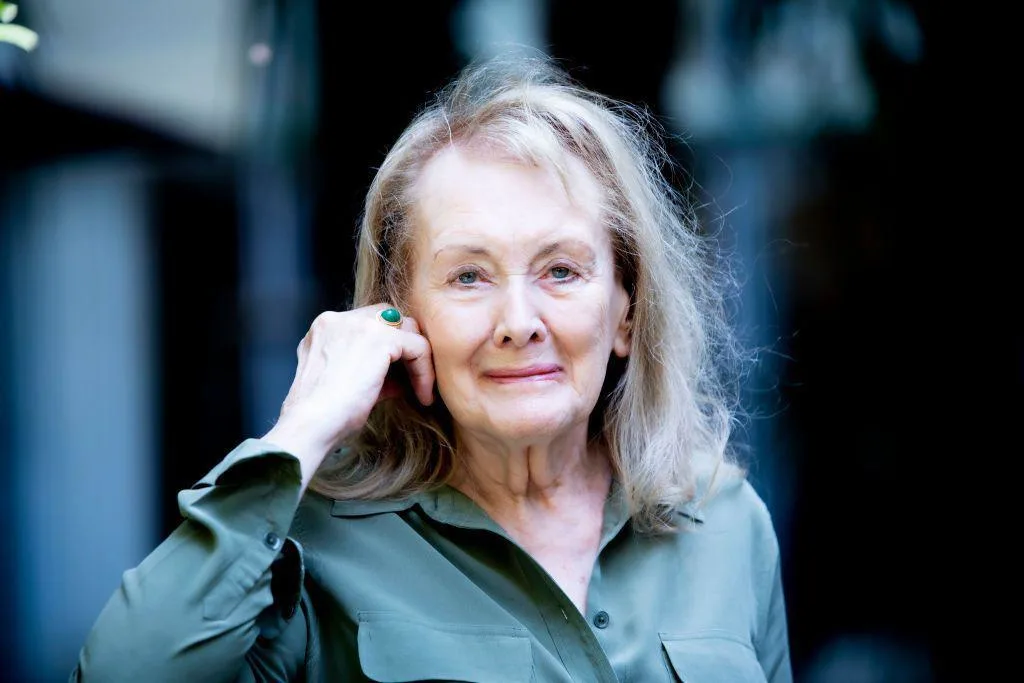
She was 23, the first in her family of laborers and shopkeepers to go to university, with ambitions of becoming a writer. But in 1963, an unwanted pregnancy threatened to end it all.
“Sex had caught up with me, and I saw the thing growing inside of me as the stigma of social failure,” she would later write. In her diary, single-word entries marked the agonizing wait for her period: “RIEN. NOTHING.”
Abortion was illegal in France, shrouded in danger and silence. Information was nonexistent; anyone involved risked prison. Desperate, she faced a terrible choice: attempt to end the pregnancy herself or seek out a backstreet “angel-maker.”
“It was secret, nobody talked about it,” recalls the woman, now 85 and a Nobel laureate in literature. “The girls of the time absolutely did not know how an abortion happened.”
That desperate, near-fatal act in the shadows did not end her story—it became the foundation of it. The trauma, shame, and fight for survival would fuel her writing and define her voice, transforming a private crisis into a powerful public testimony that helped change a nation.
By James Kisoo