In violation of the law, the government spent Sh162.2 billion of borrowed money on operating expenses such as salary and utility payments in the fiscal year ending June, reflecting a severe cash crunch.
According to Section 15(2)(C) of the Public Finance Management Act (PFM), 2012, the government should only use borrowed funds to finance development projects.
This is done to ensure a return on investment that will allow debt repayment.
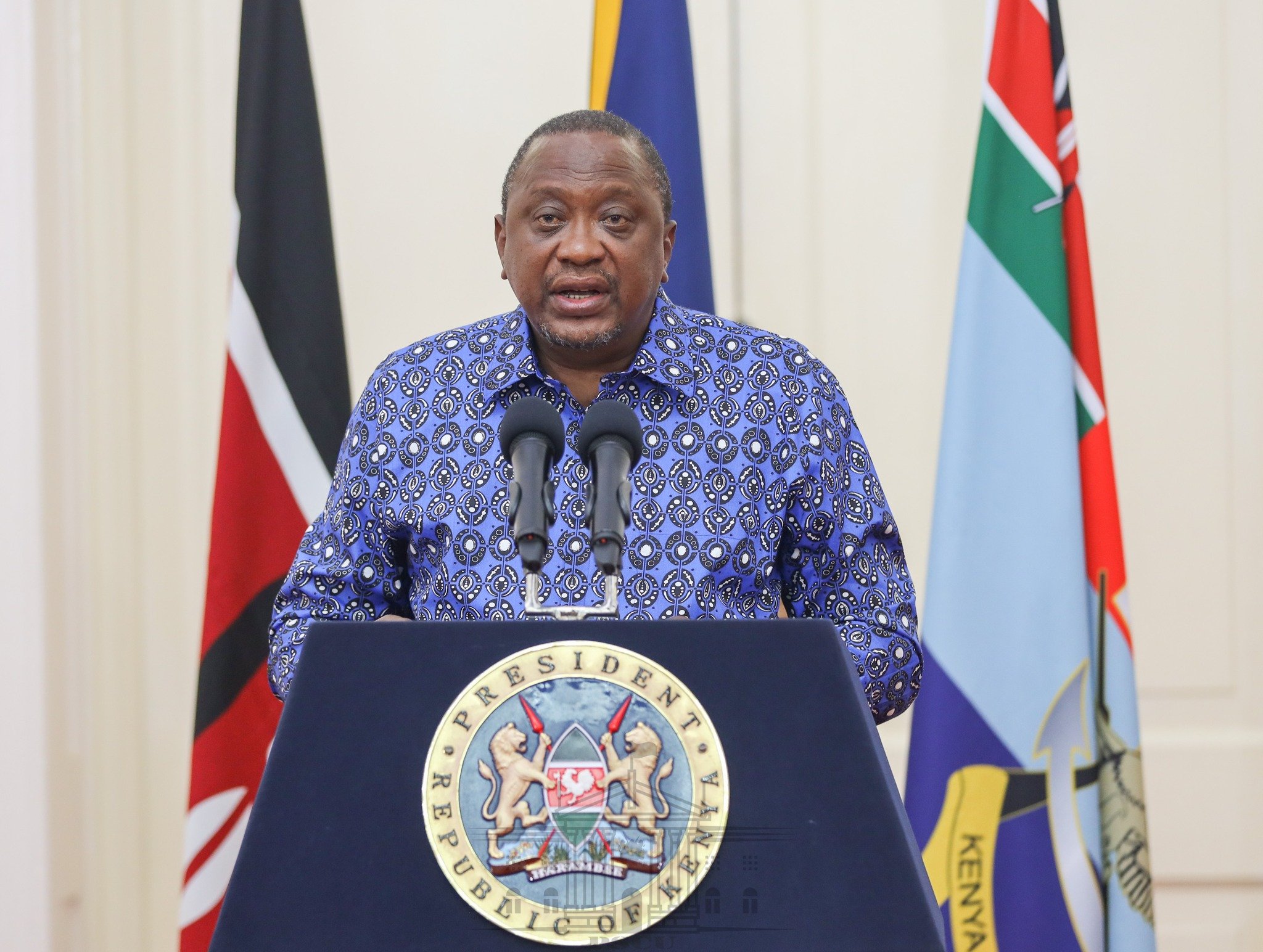
According to official records, the government borrowed Sh916.6 billion in the fiscal year 2021/22, which was retired President Uhuru Kenyatta’s final full fiscal year in office.
The loan included Sh589.5 billion from local creditors, Sh151.2 billion in project loans, Sh135 billion in program loans, and Sh40.8 billion in International Monetary Fund special drawing rights (SDR) allocation (IMF).
According to National Treasury data, the government spent only 82.3 percent (Sh754.2 billion) of these funds on development and 17.7 percent (Sh162.2 billion) on recurrent expenditure.
“The recurrent spending was occasioned by spending interventions to cushion the poor and vulnerable members of society as well as to contain the spread of Covid-19 and acquisition of Covid-19 vaccines,” the Treasury admitted.
The accumulation of debt repayments, civil servant salaries and wages, and a growing pension burden has resulted in a rapid increase in the State’s recurrent expenditure in recent years.
Total recurrent spending increased by 17% from Sh1.82 trillion in fiscal year 2020/21 to Sh2.13 trillion in fiscal year 2021/22.
Borrowing to pay employee salaries is already having an impact on state-owned enterprises (SOEs), which are borrowing billions of shillings to cover salaries, wages, and other operational expenses.
Most SOEs remain heavily indebted, exacerbated by persistent losses or thin profits that have imposed liquidity constraints.
This has forced them to rely on borrowing or bank overdrafts to cover their daily expenses.
The Central Bank of Kenya (CBK) warned last month that parastatals’ accumulation of long-term debt relative to equity increased from 134.2 percent in 2020 to 135.3 percent in 2021, putting them at greater risk of loan default.
“The SOEs, therefore, used long-term debt to finance operational expenses rather than for investments to generate revenues to service future debt. This limits productivity, capacity, and profitability of SOEs, and in turn their viability,” said CBK.