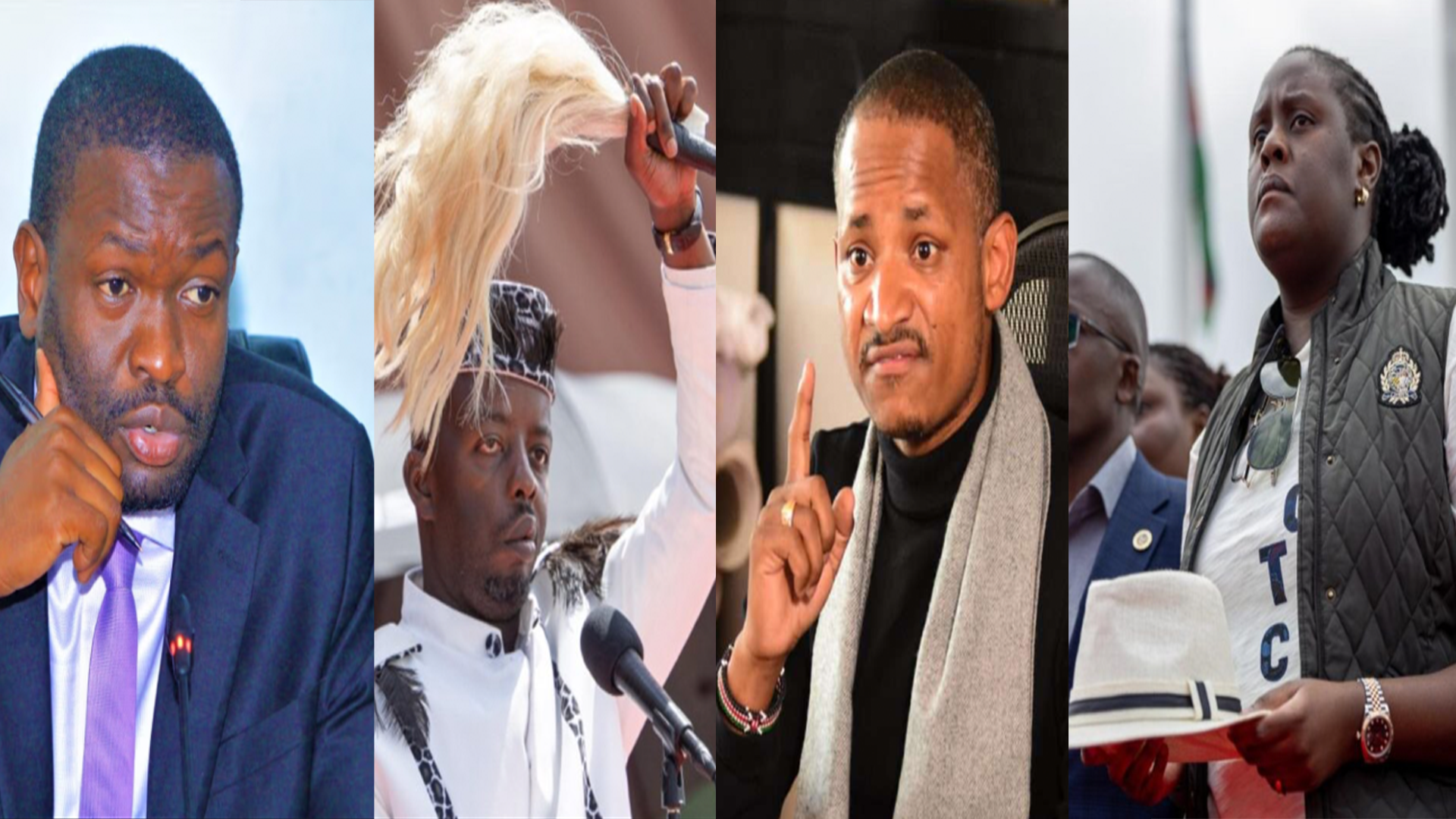
President William Ruto’s nomination of Canon Dr. Ida Betty Odinga as Kenya’s Ambassador and Permanent Representative to the United Nations Environment Programme (UNEP) has sparked widespread debate — not just about her qualifications, but about the broader political implications for the Orange Democratic Movement (ODM) and the future trajectories of key figures such as Raila Junior, Winnie Odinga, Babu Owino and Edwin Sifuna.
Supporters of the move, including lawmakers from the ruling coalition, argue the nomination reflects Ida Odinga’s long record of public service and enhances Kenya’s role in global environmental diplomacy. Nandi Senator Samson Cherargei described the appointment as a product of the broad‑based government arrangement and suggested it could stabilise ODM ahead of the 2027 elections.
Yet within ODM, the reaction has been sharply divided. Deputy party leader Godfrey Osotsi and other critics have labelled the position “too small” for Ida, urging her to reject the nomination and warning it could weaken the party at a critical juncture. Osotsi and others claim the move was orchestrated by UDA as part of a strategy to erode ODM’s internal cohesion, allegedly targeting influential party figures with appointments and incentives.
At the heart of the controversy is Ida Odinga’s unique status within ODM. Revered by many as “Min Piny” (Mother of the Nation), her moral authority and grassroots sway — especially among women and community leaders — have been invaluable for the party’s unity and mobilisation. Analysts argue that relocating her to an international diplomatic role could diminish ODM’s spiritual and organisational anchor at a time when the party is wrestling with internal rifts and questions over its political direction following the death of former leader Raila Odinga.
Raila Junior, who has publicly stated he is not a politician, may find his political space further narrowed as Ida assumes a diplomatic role. Observers note that family influence has long been a linchpin of ODM’s identity, and Ida’s shift away from domestic politics could weaken the symbolic continuity of the Odinga legacy. Some commentators suggest that this could inadvertently elevate or sideline potential successors depending on how the party navigates the transition — a dynamic that may affect Junior’s potential future involvement.
Winnie Odinga, another high‑profile member of the Odinga family, could also be impacted. As someone viewed by many grassroots supporters as a guardian of her father’s political heritage, Winnie may find herself under pressure to assert her role more visibly in ODM — especially if Ida moves into a largely ceremonial diplomatic position. Critics of the nomination argue that this may force Winnie into deeper engagement in party politics at a time when internal unity is fragile.
Within the party’s leadership, Edwin Sifuna and Babu Owino have been central voices pushing for ODM to retain independence and resist absorption into broader coalitions with the ruling United Democratic Alliance (UDA). The appointment comes amid their faction’s warnings against external interference and calls for a National Delegates Congress to democratically determine ODM’s direction. The perception that Ruto’s government is strategically offering appointments to dilute opposition unity could further embolden their stance.
Critics argue that by accepting a state‑linked diplomatic role, Ida may find her ability to criticise government policy or mobilise opposition support significantly constrained, effectively turning a powerful political figure into a civil service appointee beholden to executive authority. This dynamic, they warn, could reduce her influence and leave a leadership vacuum within ODM at a pivotal moment in Kenya’s political cycle.
While supporters within and outside ODM see the appointment as a prestigious opportunity and recognition of Ida Odinga’s service, the political calculus remains complex. Whether the move will strengthen Kenya’s international representation and preserve ODM’s internal vigour — or whether it will inadvertently shift the balance of power within the party and complicate succession ambitions — will play out as the nomination proceeds through parliamentary approval and into the run‑up to the 2027 election.