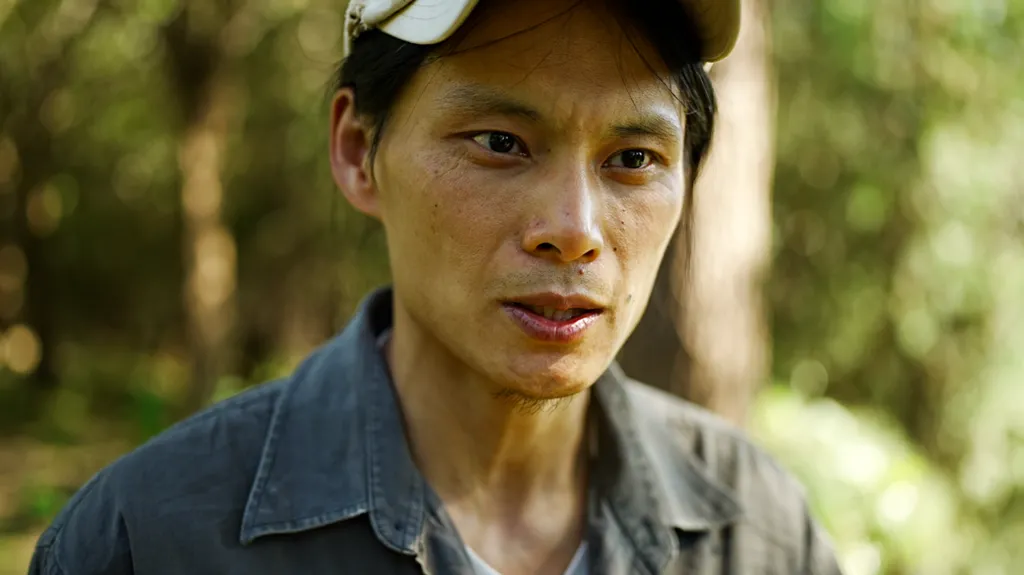
Silva Gu’s eyes sweep across miles of tall grassland, scanning the darkness for any trace of movement. He speaks in a murmur softer than a whisper as we search for cover. Behind us, the sprawling metropolis of Beijing still sleeps. In the stillness, we hear only our own breath.
Then, as the first light bleeds into the sky, we hear footsteps. The poachers have arrived.
Slim and silent, Silva moves out first. We follow cautiously with our cameras. Slowly, we edge through a line of trees into a small clearing. We don’t see the bird net until it is inches from our faces.
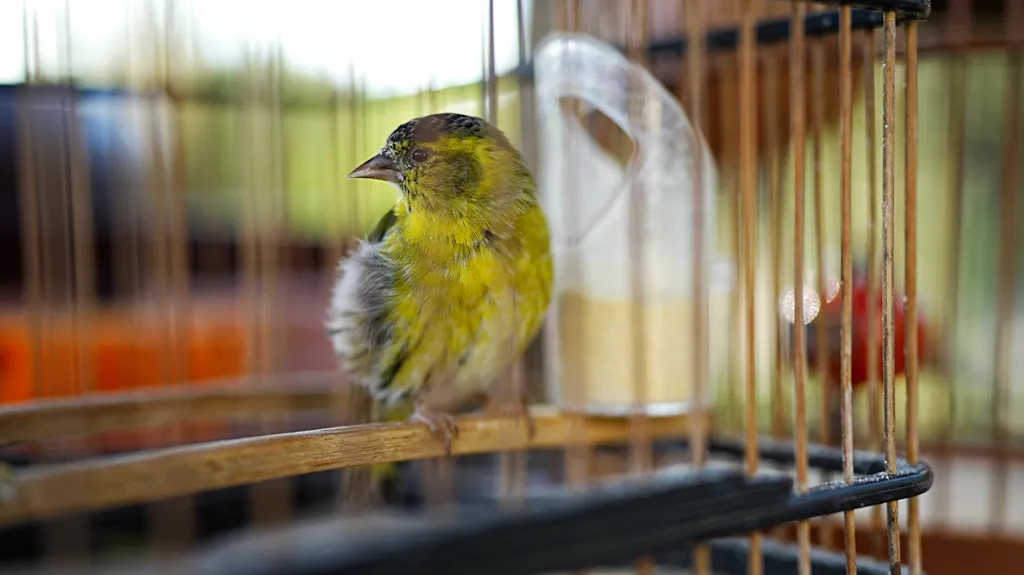
Every year, tens of thousands of birds are ensnared in nets across China—destined for the pet trade or for meat. With the economy slowed by the pandemic and a property crisis, trapping and selling songbirds on the black market has become a low-cost, high-profit gamble for many.
A single, beautiful songbird like the Siberian rubythroat can fetch nearly 2,000 yuan (£210; $280)—more than many farmers earn in a month.
“I want to protect them on this Earth controlled by humans,” Silva says quietly. For him, birds are more than a mission; they are a passion.
“I often dream,” he confesses. “And in my dreams, I’m always flying.”
By James Kisoo