For years, scientists have warned that the highly pathogenic H5N1 avian influenza—commonly known as bird flu—could one day make the dangerous leap from birds to humans and trigger a global health crisis.
First identified in China in the late 1990s, the virus has become entrenched across South and Southeast Asia and has sporadically infected humans.
According to the World Health Organization (WHO), from 2003 through August 2025, there have been 990 confirmed human cases across 25 countries, resulting in 475 deaths—a staggering fatality rate of approximately 48%.
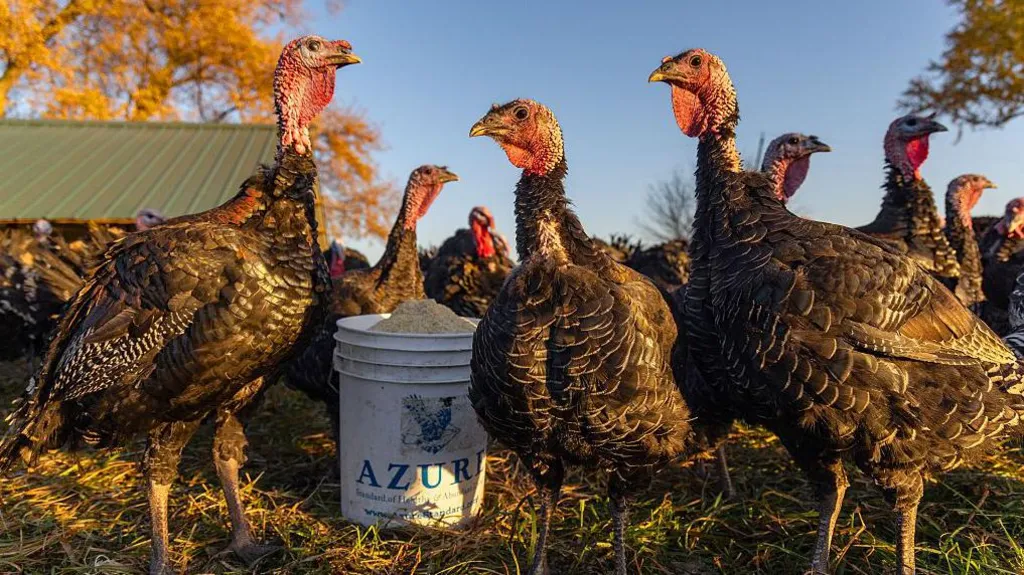
In the United States, the outbreak has reached an unprecedented scale, affecting more than 180 million birds and spreading to over 1,000 dairy herds across 18 states.
At least 70 people, primarily farmworkers, have been infected, leading to several hospitalizations and one confirmed fatality. The virus has also demonstrated its lethality in other species; in January, three tigers and a leopard died from H5N1 at a wildlife rescue center in Nagpur, India.
Human symptoms often mirror a severe influenza infection: high fever, cough, sore throat, muscle aches, and sometimes conjunctivitis. Some individuals, however, may show no symptoms at all.
While the current risk to the general public remains low, global health authorities are monitoring the virus closely for any genetic shift that could enable more efficient person-to-person transmission.
By James Kisoo