DETROIT
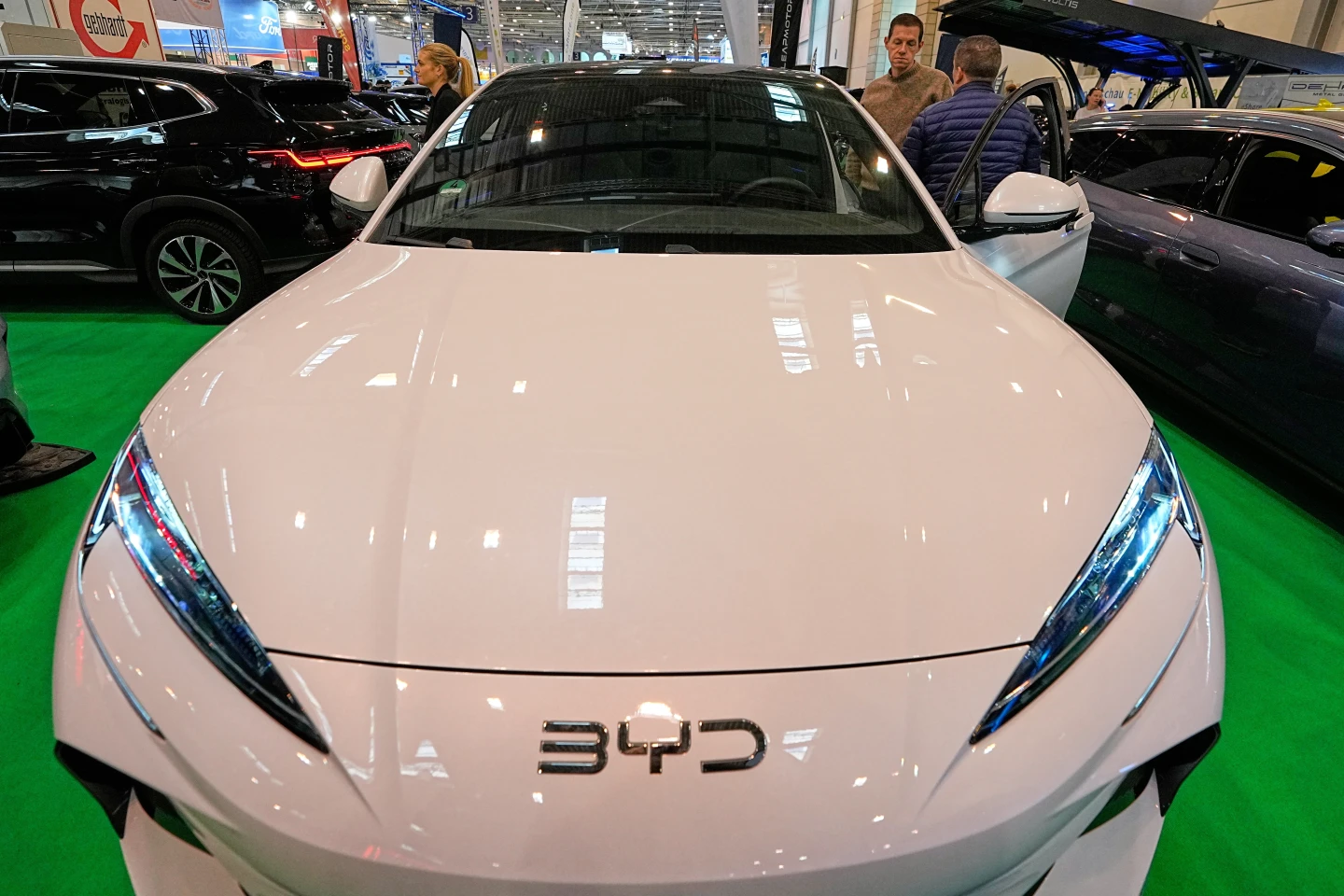
Chinese automakers have been steadily expanding their global footprint, buoyed by rising demand for electric vehicles that are high-tech, stylish, and comparatively affordable.
Their growing success has unsettled competitors — even before Canada agreed this week to lower tariffs on Chinese EVs in exchange for concessions on Canadian agricultural exports.
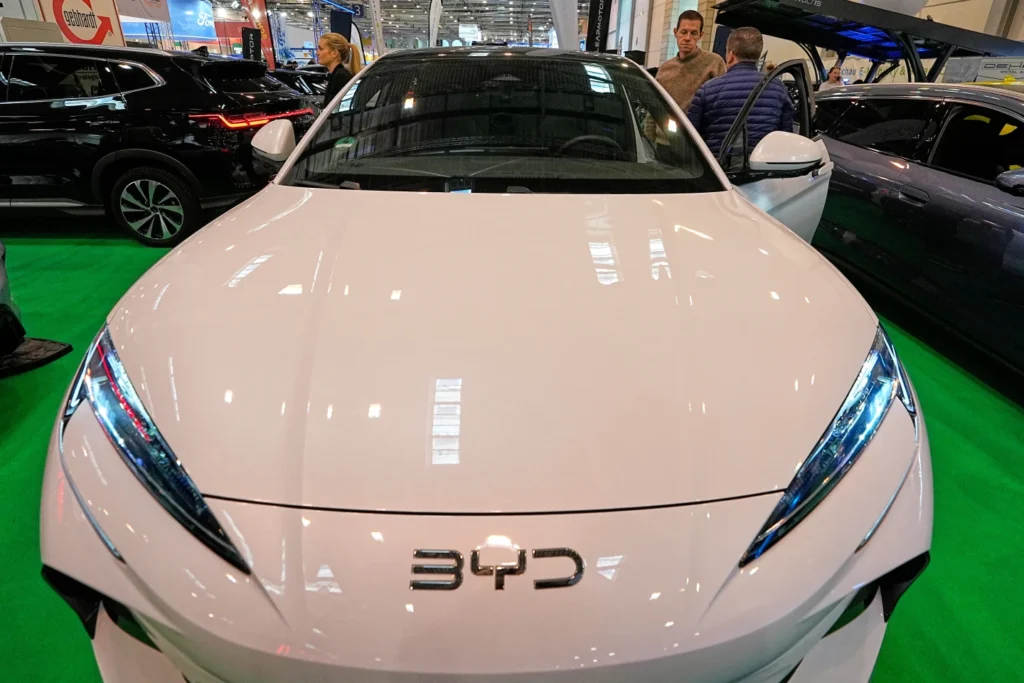
Analysts say the eased access to Canada could provide a significant boost for Chinese carmakers seeking to expand their global dominance, especially as growth in China’s domestic auto market slows.
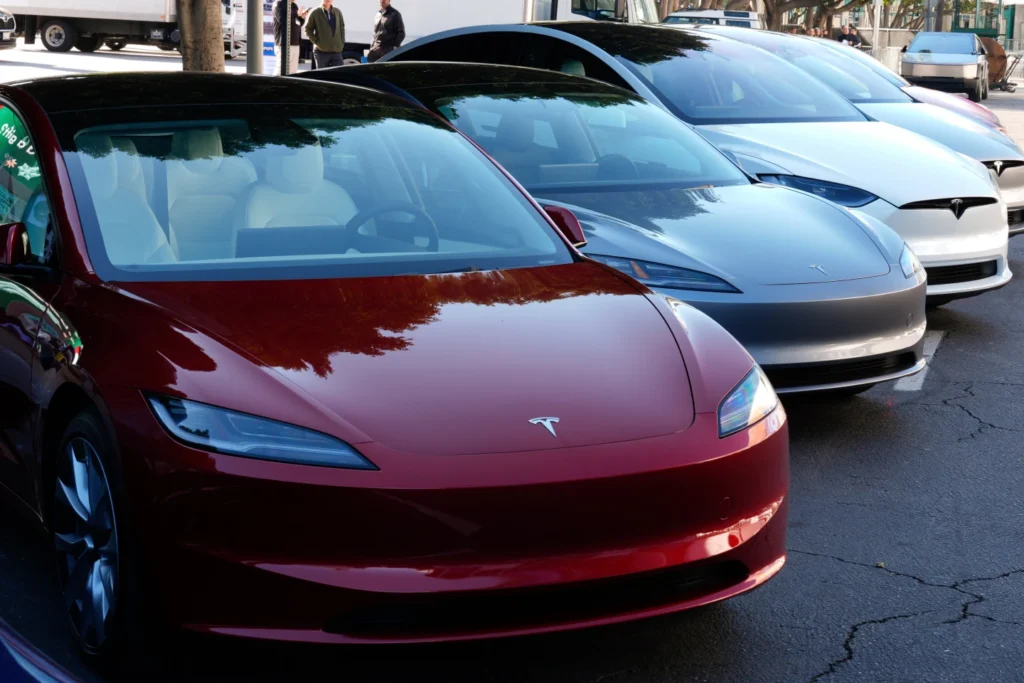
The shift poses a direct challenge to established manufacturers, particularly U.S. automakers already struggling to compete on price and scale.
U.S. officials acknowledged those concerns on Friday during remarks at a Stellantis Jeep assembly plant in Toledo, Ohio. Transportation Secretary Sean Duffy accused the Chinese Communist Party of heavily subsidizing its auto industry in an effort to “control this industry.”
“Why? They want to take over the auto industry.
They want to take away these jobs,” Duffy said. Referring to Canada’s trade decision, he warned: “They will live to regret the day they partner with China and bring in their vehicles.”
Others argue the trend is difficult to reverse.
“This shows that Chinese automakers are not only growing more competitive, but increasingly attractive across major global markets,” said Ilaria Mazzocco, deputy director and senior fellow with the Trustee Chair in Chinese Business and Economics at the Center for Strategic and International Studies. “They are no longer confined to marginal markets or those of limited importance to U.S. automakers.”
By James Kisoo