Global oil prices surged despite pledges from the United States and other countries to release reserves.
Airstrikes shook Beirut and Tehran, and more ships were attacked in the Persian Gulf.
The global price of oil rose above $100 a barrel on Thursday, even after a group of more than 30 countries pledged to tap their reserves to stabilize markets.
The spike reflected fears that the growing war in the Middle East could cripple a major part of the world’s oil and gas supply for an extended period.
Iran has said that it would not allow oil shipments that benefit the United States and its allies to pass through the Strait of Hormuz, the waterway through which one-fifth of the world’s oil passes. Several merchant vessels have been attacked in and around the strait since U.S.-Israeli strikes on Iran began last month.
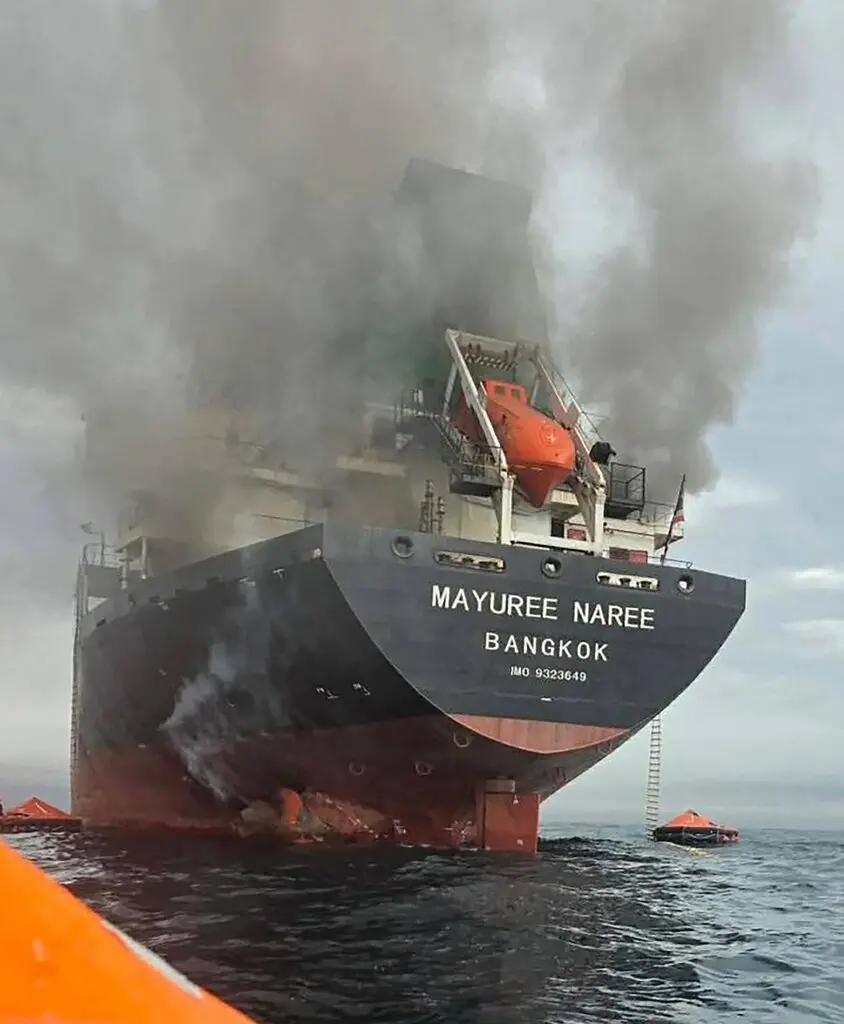
Three ships in the Persian Gulf were struck by unknown projectiles early Thursday, according to the United Kingdom Maritime Trade Operations, a British maritime agency. One was near Dubai and two were off the coast of Iraq. The sources of the attacks were not immediately clear.
Security concerns on Thursday forced the closure of oil export terminals, one in Oman and the other in Iraq.
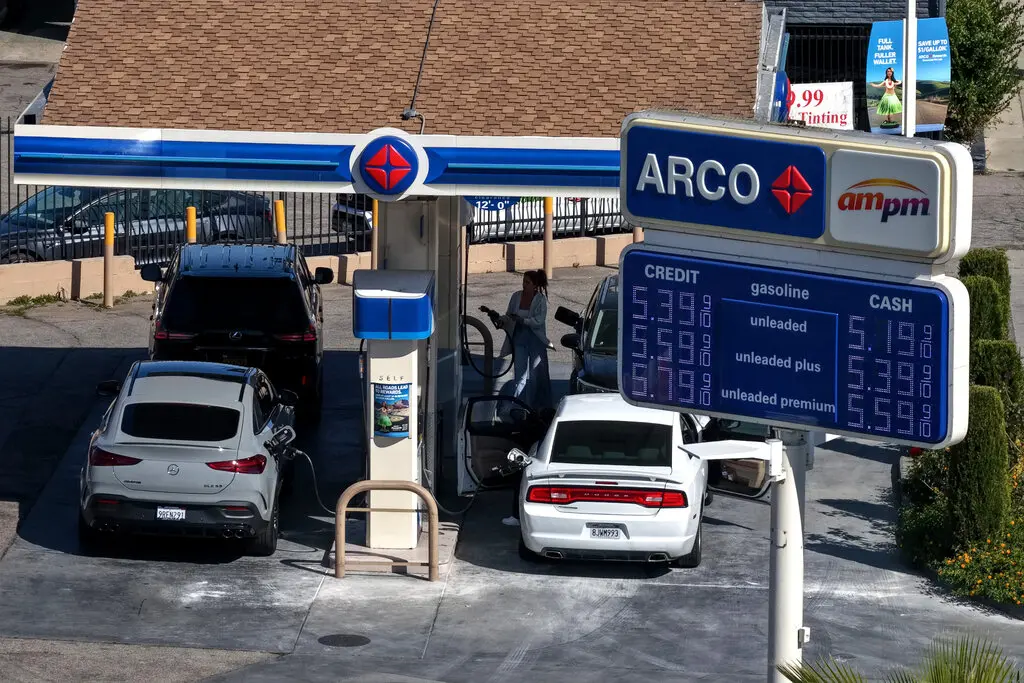
Oil prices rose despite a coordinated effort by the United States and other major economies to calm markets by pledging on Wednesday to release 400 million barrels of oil from their emergency reserves. Gasoline prices in the United States have climbed for 11 straight days.
Waves of airstrikes shook Beirut and Tehran on Wednesday and into Thursday morning.
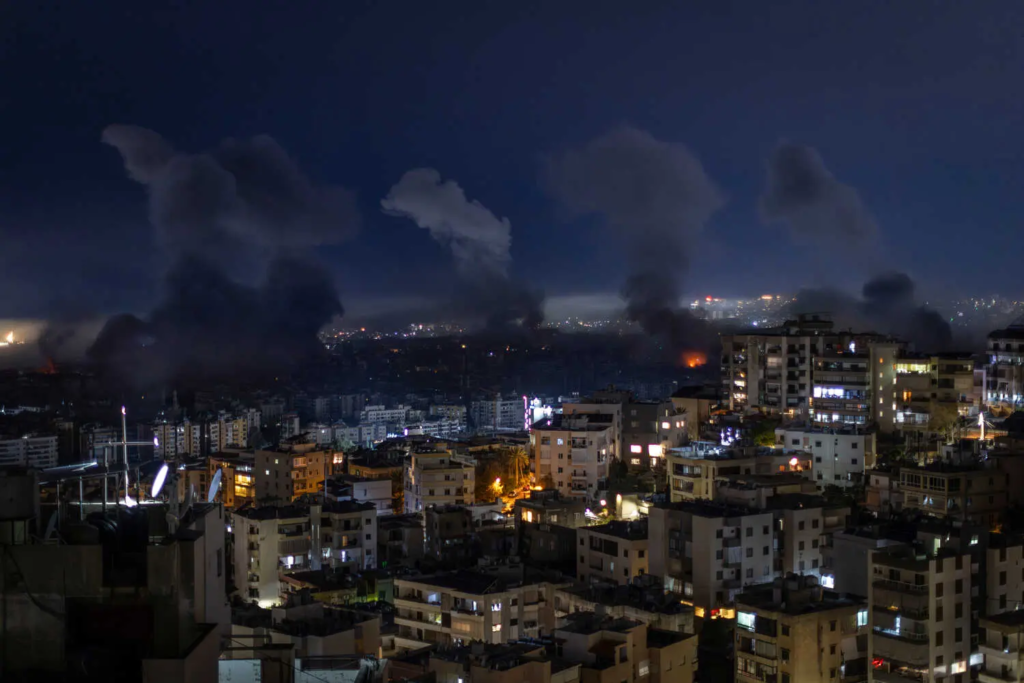
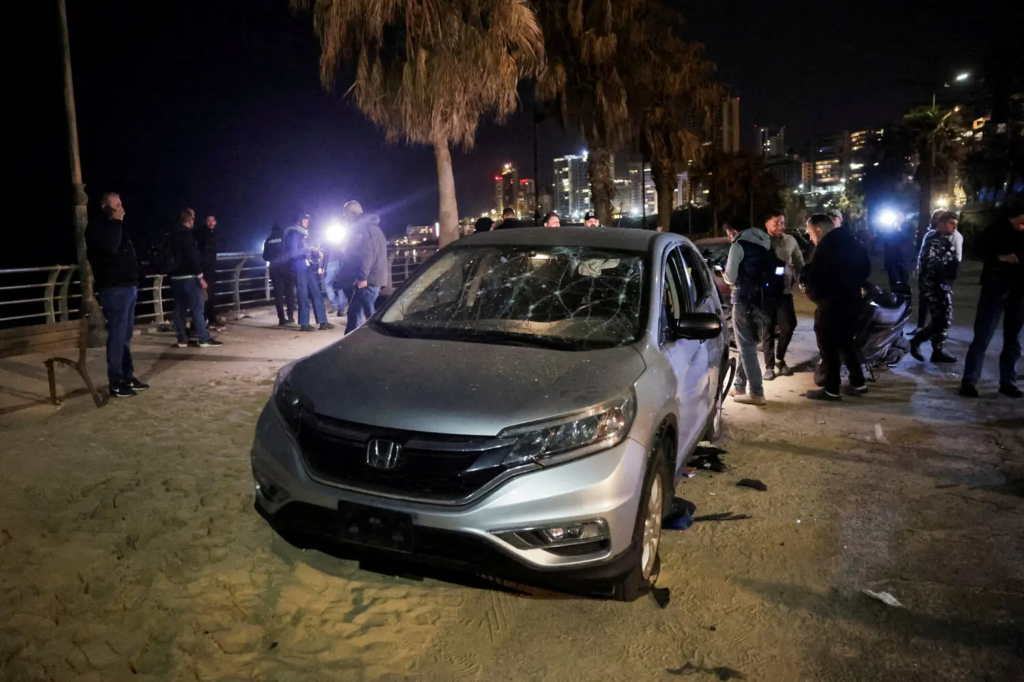
The fighting was particularly intense in and around Beirut, where government officials said that heavy Israeli strikes had killed at least seven people and injured dozens more. The area is a Hezbollah stronghold from which thousands of civilians have fled in recent days.
The Israeli bombardment in Lebanon, which started after Hezbollah fired rockets into Israel in support of Tehran, has killed more than 600 people and displaced more than 800,000 over the last several days, according to Lebanese officials.
Several Persian Gulf countries said they intercepted attacks from Iran on Wednesday. Saudi Arabia said it had destroyed two drones that were heading toward the kingdom’s huge Shaybah oil field. In Iraq, an Italian military base in Erbil was hit by a missile, but there were no casualties or injuries, according to Italy’s defense minister.
Tehran residents and Iranian state media reported deadly drone attacks on street checkpoints manned by the Basij militia — a relatively new development that sowed fear among residents that moving around the city could be lethal.