By Andrew Kariuki
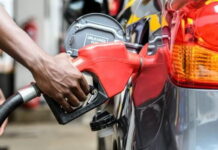
Energy and Petroleum Cabinet Secretary Opiyo Wandayi has defended the latest increase in fuel prices, stating that the situation could have been significantly worse without government intervention.
Speaking in Siaya County on Wednesday, April 15, Wandayi revealed that President William Ruto directed that kerosene prices remain unchanged, even as petrol and diesel prices rose, in a move aimed at protecting low-income households.
“Yesterday you saw the hike in fuel prices, but I want to tell you, do not have any worry,” Wandayi said while leading a mass voter registration and sensitisation exercise in Ugunja.
According to the CS, the government also introduced a Ksh6.2 billion fuel subsidy to cushion consumers from the full impact of rising global oil prices.
“The prices could have gone up much more, but because the Head of State directed us to put a subsidy, the rise was moderated,” he said.
Wandayi explained that maintaining kerosene prices was a deliberate policy decision, noting that the commodity is widely used by vulnerable households for cooking and lighting.
“The President also told me that, despite the rise in petrol and diesel prices, kerosene should not be raised,” he added.
He attributed the price increases to global geopolitical tensions, particularly the ongoing conflict in the Middle East, expressing optimism that prices could stabilise once the situation improves.
“If the U.S./Israel-Iran war ends, fuel prices will go down,” Wandayi said.
The CS further disclosed that the government had temporarily reduced Value Added Tax (VAT) on fuel from 16% to 13% for a period of three months as part of measures to ease the burden on consumers.
His remarks follow the latest pricing review by the Energy and Petroleum Regulatory Authority (EPRA) released on April 14, 2026, which saw pump prices for Super Petrol and Diesel increase by Ksh28.69 and Ksh40.30 per litre respectively, while kerosene remained unchanged.
The increase has already triggered ripple effects across the economy, with Public Service Vehicle (PSV) operators announcing fare hikes of at least 25% across various routes, raising concerns over a broader increase in the cost of living as prices of goods and services adjust upwards.