By Andrew Kariuki
Questions over the strength of Kenya’s rule of law are intensifying after reports emerged that preparations for a controversial Ebola quarantine and treatment facility are continuing despite a High Court order temporarily halting the project.
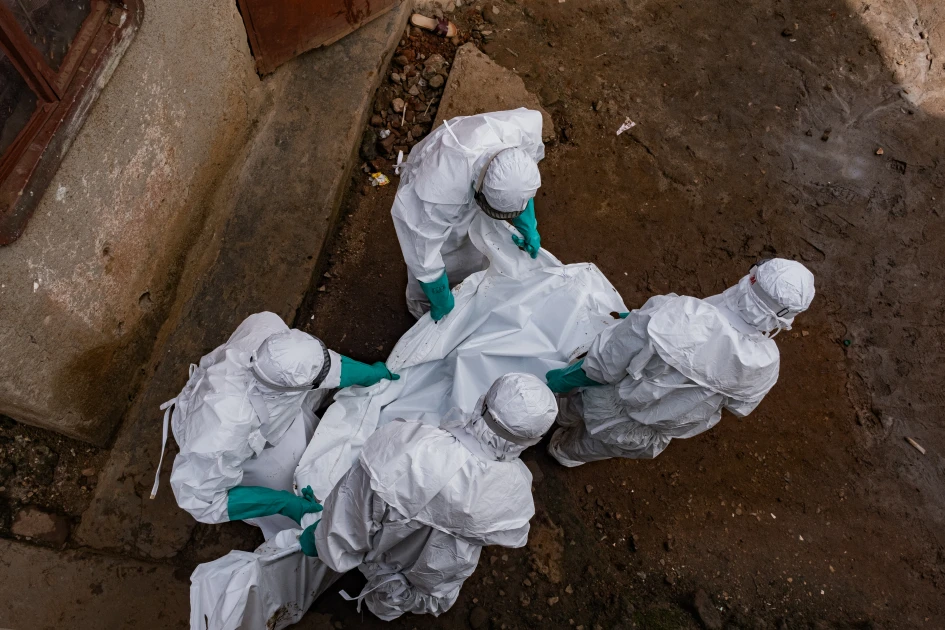
The proposed facility, reportedly being developed in partnership between the Kenyan and United States governments, is intended to handle Americans potentially exposed to Ebola in the Democratic Republic of Congo (DRC), where a deadly outbreak has killed hundreds and infected over a thousand suspected cases. Kenya itself has not recorded any Ebola infections.
Yet even as legal proceedings continue, reports indicate preparations are moving ahead.
According to international reports, American personnel linked to the Ebola response landed at Laikipia Air Base on Saturday, where the facility is expected to be established. Kenya’s Ministry of Health has also stated that the partnership with the US seeks to strengthen surveillance, isolation, emergency preparedness and rapid response capabilities.
The developments have raised a difficult question: if a court order exists, why do preparations appear to be continuing?
In orders issued by the High Court, Justice Patricia Nyaundi temporarily barred Kenya from establishing or operating Ebola-related facilities under agreements with the United States or other foreign governments, and from admitting individuals exposed to or infected with Ebola into the country until the matter is heard and determined. The case is expected back in court on June 2.
To critics, the continued preparations raise concerns about whether judicial directives are being respected or quietly treated as mere administrative inconveniences.
For some observers, the matter is no longer only about Ebola preparedness, but about constitutional order. Are court decisions binding instructions, or simply words on a piece of paper that can be ignored when governments believe urgency outweighs legal restraint?
The project has already sparked sharp opposition from sections of civil society, legal experts and medical professionals. The Katiba Institute moved to court to challenge the plan, while the Kenya Medical Practitioners, Pharmacists and Dentists Union (KMPDU) questioned both the country’s preparedness and the rationale behind Kenya hosting a facility meant primarily for American citizens exposed to the virus.
The issue has also fueled political criticism. Former Deputy President Rigathi Gachagua urged the United States government to “show Kenya the way” in respecting judicial authority.
“I want to ask the US government that since there is a court order stopping the establishment of the Ebola treatment centre in Kenya, show us the way in observing the rule of law. Do not join Kenya in disobeying a court order and practicing impunity,” Gachagua said.
Supporters of the plan are likely to argue that preparedness is necessary, especially as the outbreak spreads beyond the DRC into neighbouring Uganda and concerns grow across the region. The Ministry of Health maintains that the partnership will improve Kenya’s emergency response systems and disease monitoring capacity.
Still, the controversy leaves behind a deeper and more uncomfortable national question: if state agencies can continue preparations after courts intervene, what meaning do court orders truly hold in Kenya?